
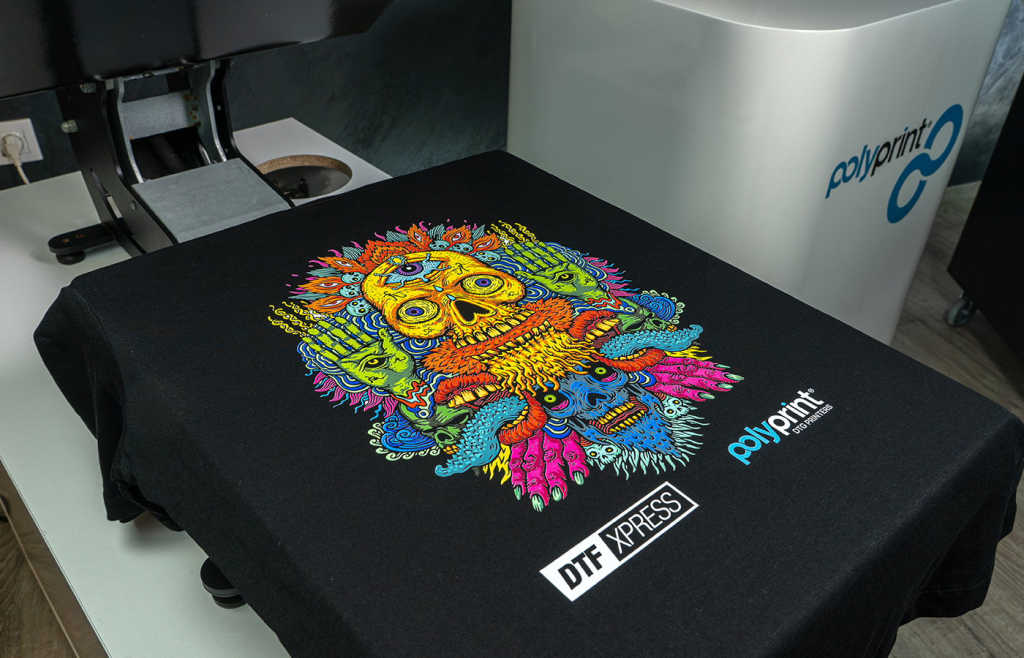
DTF printing, or Direct to Film printing, is revolutionizing the garment printing industry by offering a seamless blend of quality and efficiency. This innovative technology allows for high-quality prints to be transferred onto fabrics, ensuring bold colors and intricate designs that stand the test of time. Businesses across the globe are reaping the numerous DTF printing benefits, particularly its cost-effective pricing and quick turnaround times, setting a new standard in custom apparel production. As industry leaders adopt DTF technology, the demand for swift, budget-friendly printing solutions increases, further cementing its importance in the marketplace. In this article, we will explore how DTF printing not only saves time and money but also supports the creative ambitions of businesses everywhere.
Direct to Film printing, often abbreviated as DTF, is an up-and-coming method in the fabric printing realm that stands out for its reliability and versatility. This advanced printing technique employs cutting-edge technology to create stunning visuals on a variety of textiles, making it ideal for custom designs and promotional prints. With an eye towards efficiency, many producers are leveraging DTF printing to meet the demands of their customers without sacrificing quality or incurring high costs. As businesses increasingly look for ways to streamline their operations, understanding the nuances of this technique becomes crucial. In our exploration of DTF printing, we will highlight the significant benefits and the ways it can transform how businesses approach their printing needs.
Understanding the Basics of DTF Printing
Direct to Film (DTF) printing utilizes a unique process that involves printing designs onto a special film that is then transferred onto the fabric. This innovative method not only streamlines the traditional printing process but also enhances the quality of the final product. DTF printing is characterized by its ability to produce vibrant colors and intricate designs, making it ideal for apparel and promotional items. By eliminating the need for screens or direct ink application to garments, DTF technology simplifies the overall printing workflow, catering especially well to custom orders.
Moreover, DTF printing is particularly advantageous for small businesses and startups aiming to minimize overhead costs. Because it requires less setup and fewer materials compared to traditional methods, businesses can operate at lower costs while still delivering high-quality prints. This means that even companies with a limited budget can offer customizable options that meet client needs without straining their resources.
The Cost-Effectiveness of DTF Printing Explained
One of the principal advantages of DTF printing is its cost-effectiveness, which is crucial for any business seeking efficient production methods. Unlike traditional screen printing, which often requires extensive setup and higher material consumption, DTF printing streamlines the process by printing directly onto a film. This reduces both ink and material costs, allowing businesses to offer competitive pricing without compromising on quality.
Additionally, DTF printing shines when it comes to small-run orders. Many businesses struggle with the limitations of minimum order quantities in screen printing, which can lead to excess stock and wasted resources. DTF technology supports smaller orders while remaining economically viable, giving businesses the flexibility to meet client demands for personalized or unique items with minimal risk.
Boosting Time Efficiency with DTF Technology
In today’s fast-paced market, being able to fulfill orders quickly is paramount for maintaining customer satisfaction. DTF technology provides significant advantages in this realm, primarily through its rapid printing capabilities. The streamlined setup process allows for quick transitions from design to production, ensuring that businesses can meet tight deadlines and respond immediately to customer needs.
Furthermore, DTF printers are designed to operate at high speeds, enabling companies to produce large volumes of prints in a fraction of the time required by traditional methods. This efficiency not only boosts productivity but also helps businesses maintain a competitive edge, fostering customer loyalty and trust as clients come to rely on timely deliveries.
Achieving High-Quality Prints with DTF
DTF printing is acclaimed for its ability to produce stunning, high-quality prints that are both vibrant and durable. The technology allows for a wide range of colors and intricate designs, ensuring that every detail is captured beautifully. This level of quality makes DTF particularly suitable for creating customized apparel, promotional products, and other merchandise where visual appeal is critical.
Additionally, the durability of DTF prints is noteworthy. Unlike traditional methods, which might lead to fading or cracking after multiple washes, DTF printing results in designs that withstand wear and tear, maintaining their original look over time. This quality not only enhances customer satisfaction but also fosters repeat business, as customers return for products they know will last.
Versatility of DTF Printing Across Different Materials
One of the standout characteristics of DTF printing is its versatility, making it suitable for various fabric types including cotton, polyester, and blends. This adaptability allows businesses to cater to a wide range of markets, from fashion apparel to sports merchandise. The ability to print on diverse materials opens up new opportunities for customization, enabling businesses to expand their product offerings according to client preferences.
Furthermore, this versatility extends to different printing applications, such as custom apparel for events, team uniforms, and promotional items. Companies tapping into DTF printing can easily pivot to meet specific market demands, which is especially beneficial in a dynamic industry where trends can change rapidly. By offering a broader selection of customizable options, businesses enhance their competitiveness and appeal to a wider audience.
The Future of DTF Printing in the Garment Industry
As the garment printing industry continues to evolve, DTF printing is poised to play a pivotal role in shaping its future. With advancements in technology and increasing consumer demand for customization, DTF offers a practical solution that addresses many challenges faced by businesses, including time constraints and cost management. The emergence of platforms like Snuggle DTF illustrates the industry’s shift towards embracing new technologies for enhanced efficiency and output.
Looking ahead, it’s clear that companies adopting DTF technology will likely enjoy significant advantages over their competitors. By leveraging the benefits of DTF, such as quick turnaround times, cost savings, and high-quality prints, businesses can not only improve their operational efficiency but also adapt more fluidly to market trends. Hence, staying informed about developments in DTF technology will be crucial for any business aiming to thrive in the ever-competitive printing landscape.
Frequently Asked Questions
What is DTF Printing and how does it work?
DTF Printing, or Direct to Film printing, is a technology that transfers designs onto garments by first printing the image on a special film and then heat transferring it onto the fabric. This method utilizes high-quality inks that adhere well to various materials, resulting in vibrant and durable prints.
What are the main benefits of DTF Printing?
The benefits of DTF Printing include cost-effectiveness, time efficiency, and the ability to produce high-quality prints. DTF technology minimizes material waste and setup times, enabling businesses to cater to small run orders without incurring high costs, while also delivering detailed and colorful designs.
How does DTF Printing compare to traditional screen printing?
DTF Printing is generally more cost-effective and time-efficient than traditional screen printing. It requires fewer materials and less setup time, making it ideal for quick turnaround orders. Additionally, DTF technology produces high-quality, durable prints that can withstand multiple washes, providing better value for custom garments.
Can DTF Printing be used on different fabric types?
Yes, DTF Printing is versatile and can be applied to a variety of fabric types, including cotton, polyester, and blends. This flexibility allows businesses to create custom apparel and promotional products tailored to diverse customer needs, making it a popular choice in the garment printing industry.
What industries benefit most from DTF Printing technology?
DTF Printing technology benefits various industries, including custom apparel, event merchandising, and promotional products. Its ability to produce high-quality prints quickly makes it suitable for businesses needing personalized clothing, such as team jerseys and event-specific garments.
Why should businesses consider DTF Printing for their printing needs?
Businesses should consider DTF Printing due to its combination of cost-effectiveness, speed, and high-quality output. This technology allows companies to efficiently meet customer demands while reducing waste and production costs, ultimately enhancing customer satisfaction and loyalty in a competitive market.
| Benefit | Description |
|---|---|
| Cost-Effectiveness | DTF printing requires fewer materials and less ink, reducing overall production costs, making it ideal for businesses with limited budgets. |
| Time Efficiency | With quick setup and rapid printing capabilities, DTF technology allows businesses to handle orders promptly, increasing customer satisfaction. |
| High-Quality Output | DTF printing produces vibrant, durable prints capable of fine detail, ensuring a longer-lasting product that appeals to repeat customers. |
| Versatility | DTF technology can print on diverse fabric types, including cotton and polyester, making it suitable for a range of applications from custom apparel to events. |
Summary
DTF Printing is transforming the garment printing industry by providing an efficient and cost-effective solution for businesses. It stands out due to its ability to produce high-quality prints with vibrant colors and intricate details. The versatility of DTF technology allows for printing on various fabrics, catering to diverse customer needs. By adopting DTF printing, businesses not only improve operational efficiency but also enhance product quality, significantly boosting customer satisfaction. As the market continues to evolve, understanding and implementing DTF printing will be crucial for any business looking to maintain a competitive edge and meet ever-growing customer demands.