
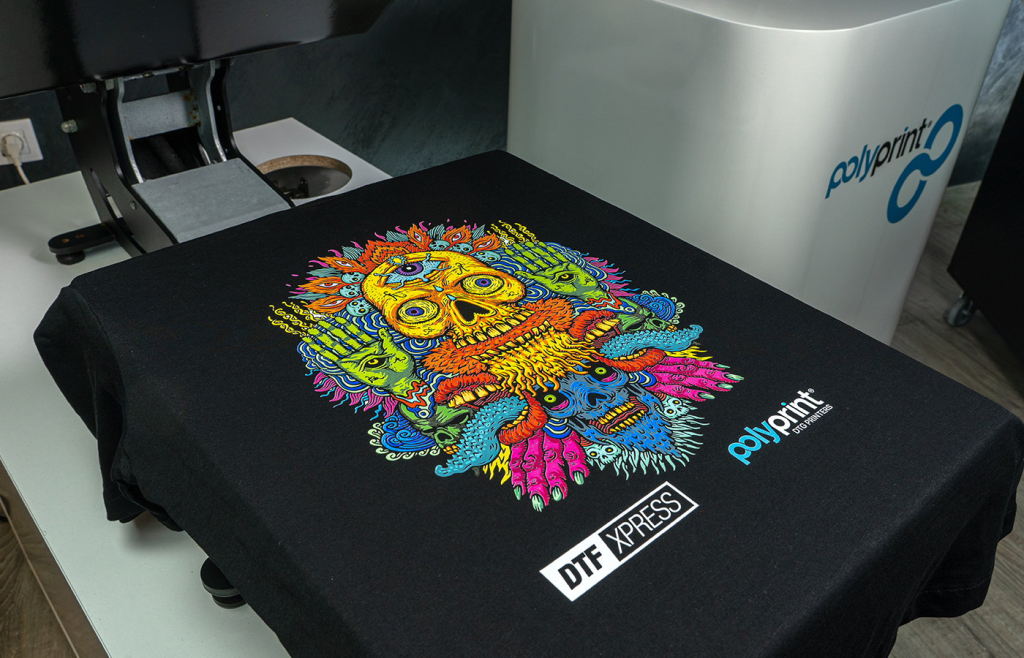
In the ever-evolving landscape of custom printing, the DTF printer stands out as a remarkable innovation. Direct-to-Film (DTF) printing technology has transformed the garment personalization market, enabling businesses to achieve stunning designs on various fabrics with ease. As entrepreneurs and creators seek the best DTF printer to elevate their offerings, understanding the features that define quality becomes essential. This guide will navigate you through the intricacies of DTF printing, including the critical aspects of print resolution, speed, and overall cost-effectiveness. If you’re looking to dive into DTF printer reviews or want to know how to choose the right model for your business, you’ve landed in the perfect spot to start your journey toward excellence in printing.
When exploring the world of transfer printing, you may hear terms like Direct-to-Film (DTF) printing, film transfer technology, or even textile printing solutions. This innovative method allows for vibrant and durable designs to be transferred onto fabrics seamlessly. As the demand for high-quality printing increases, understanding how to select the ideal machinery — often referred to as a DTF printing machine or system — becomes paramount. By assessing factors such as print quality, operational speed, and the total cost of ownership, potential buyers can pinpoint equipment that aligns with their unique requirements. Whether you are a seasoned professional or a newcomer in the printing realm, familiarizing yourself with various options can enhance your creative capacity and overall production.
Understanding DTF Printing Technology
Direct-to-Film (DTF) printing is a revolutionary method that allows designs to be transferred onto various substrates, particularly textiles. This innovative technology uses a specialized inkjet printer to print designs onto a film, which is then transferred to fabric using heat and pressure. Unlike traditional methods like screen printing or DTG, DTF printing offers the versatility to print on a wide range of materials, including cotton, polyester, and fabric blends, making it ideal for custom apparel businesses.
In DTF printing, high-quality pigment inks are utilized, which are formulated to produce vibrant colors, excellent opacity, and durability. The process involves applying an adhesive powder to the printed film, which is then cured, allowing for strong adhesion to fabric when heat is applied. As businesses seek to differentiate themselves through unique designs, understanding the fundamentals of DTF technology helps navigate the choices available in the market.
Top Features to Look for in a DTF Printer
When searching for the best DTF printer, certain features should be at the forefront of your evaluation. High resolution is critical; look for printers that offer at least 1440×1440 DPI for detailed prints. Additionally, the type of ink used can impact the quality of your designs, as pigment inks offer better vibrancy and longevity compared to dye-based inks. Another essential feature is the printer’s capability to handle different fabric types and sizes, which expands the variety of projects you can undertake.
Another feature to consider is user-friendliness. Look for a printer with an intuitive interface that simplifies setup and operation, especially if your team has varying levels of experience with printing technology. Models with automation for ink replenishment and self-cleaning functions can also reduce downtime and promote consistent print outputs, making your workflow more efficient.
Determining Your Budget for a DTF Printer
Budgeting for a DTF printer goes beyond the initial purchase price. While it can be tempting to select a cheaper option, consider the long-term costs associated with ink, maintenance, and repairs. Research the average prices of replacement inks and essential supplies to understand the overall cost of ownership. A printer with a lower upfront cost may end up being more expensive in the long run due to higher operational costs.
In addition to ink costs, factor in potential maintenance expenses. Some models may require more frequent servicing or have less readily available parts, contributing to increased spending over time. To ensure your investment pays off, it’s wise to calculate these elements before making your purchase, leading to a more financially sound decision.
DTF Printer Reviews: Assessing User Feedback
User reviews play a crucial role in selecting the best DTF printer for your needs. Explore dedicated forums, social media pages, and dedicated review sites to gain insight into others’ experiences. Pay attention to feedback about print quality, speed, and customer support from manufacturers. Often, real-world use can uncover issues or advantages that might not be highlighted in product descriptions.
Additionally, watching video tutorials and reviews can provide a visual understanding of the printer’s capabilities in action. Seek testimonials from similar businesses to yours, as their insights can be particularly relevant to your specific printing needs. Gathering a variety of opinions aids in making an informed choice that aligns with your operational goals.
The Importance of Warranty and Manufacturer Reputation
When investing in a DTF printer, it’s essential to consider the warranty offered by the manufacturer. A robust warranty protects your investment, covering defects in workmanship and ensuring you have support if something goes wrong. Look for warranties that cover parts and labor for an extended period, as this often indicates the manufacturer’s confidence in their products.
Additionally, researching the manufacturer’s reputation is equally vital. Companies known for producing high-quality printers often have a strong support network, providing users with the resources and assistance needed for effective operation and maintenance. It’s worthwhile to choose a brand with positive reviews from other users, as this bodes well for both product reliability and customer service.
Maximizing Productivity with Software Compatibility
Software compatibility is another key aspect to consider when choosing a DTF printer. Ensure that the printer can easily integrate with design software that your team is accustomed to using, such as Adobe Illustrator or CorelDRAW. This compatibility not only streamlines the design process but also improves workflow efficiency, reducing the time from idea to print.
Furthermore, check if the DTF printer comes with a Raster Image Processor (RIP) that can enhance printing capabilities. A reliable RIP can improve color management and streamline print management tasks, leading to fewer mistakes and improved productivity. By ensuring your printer aligns with your existing software setup, you position your business for greater success.
Frequently Asked Questions
What is a DTF printer and how does it work?
A DTF printer, or Direct-to-Film printer, is a specialized device that prints designs onto PET film before transferring them onto textiles. The process involves printing with high-resolution inks, applying an adhesive powder, and using heat to transfer vibrant designs onto various fabrics, ensuring durability and high-quality finishes.
What factors should I consider when choosing the best DTF printer?
When choosing the best DTF printer, consider print quality (look for high DPI), printing speed, media compatibility, user-friendly features, cost of ownership (ink and maintenance), software compatibility, customer reviews, warranty terms, and the manufacturer’s reputation.
Are there any recommended brands for buying a DTF printer in 2025?
Top DTF printer brands in 2025 include Epson and Roland, recognized for their balance of quality and affordability. Many specialized manufacturers also offer excellent options that feature advanced capabilities such as dual CMYK cartridges and automated maintenance.
How much does a DTF printer typically cost?
The cost of a DTF printer can vary widely depending on features and brand, ranging from hundreds to several thousand dollars. It’s important to also factor in the cost of ink and maintenance when assessing total ownership costs.
What advantages does DTF printing have over traditional printing methods?
DTF printing offers several advantages over traditional methods, including the ability to print vibrant colors on a variety of fabric types, detailed designs with high resolution, faster printing speeds, and reduced setup costs, making it ideal for small businesses and custom orders.
What are the common maintenance requirements for a DTF printer?
Common maintenance for a DTF printer includes regular cleaning of print heads, replacing ink cartridges, checking for clogging, and ensuring proper storage of films and inks. Many modern printers come with built-in maintenance features to simplify this process.
| Key Factor | Considerations |
|---|---|
| Print Quality | Resolution, Ink Types, Importance of Vibrancy and Durability |
| Printing Speed | Speed Ratings, Workflow Efficiency, Importance for Customer Satisfaction |
| Size and Format | Maximum Print Size, Media Compatibility, Versatility of Application |
| User-Friendly Features | Interface, Maintenance, Support, Ease of Use |
| Cost of Ownership | Ink Costs, Maintenance Expenses, Long-term Financial Assessment |
| Software Compatibility | Design Software Compatibility, RIPs for Print Management |
| Reviews and Recommendations | Online Research, Networking, Peer Insights |
| Warranty and Manufacturer Reputation | Warranty Terms, Company Reliability, Customer Support |
Summary
The DTF printer has transformed the landscape of garment decoration by offering vibrant colors and high-quality prints across a variety of materials. Choosing the right DTF printer is essential for optimizing your printing business’s performance. Key aspects such as print quality, speed, and overall ownership costs play a critical role in your decision. It’s important to assess your specific needs and ensure compatibility with your projects to maximize productivity and creativity. By staying informed about the latest innovations and recommendations in the industry, you can select a DTF printer that will effectively support your endeavors, enhance your capabilities, and keep you competitive in the market.