
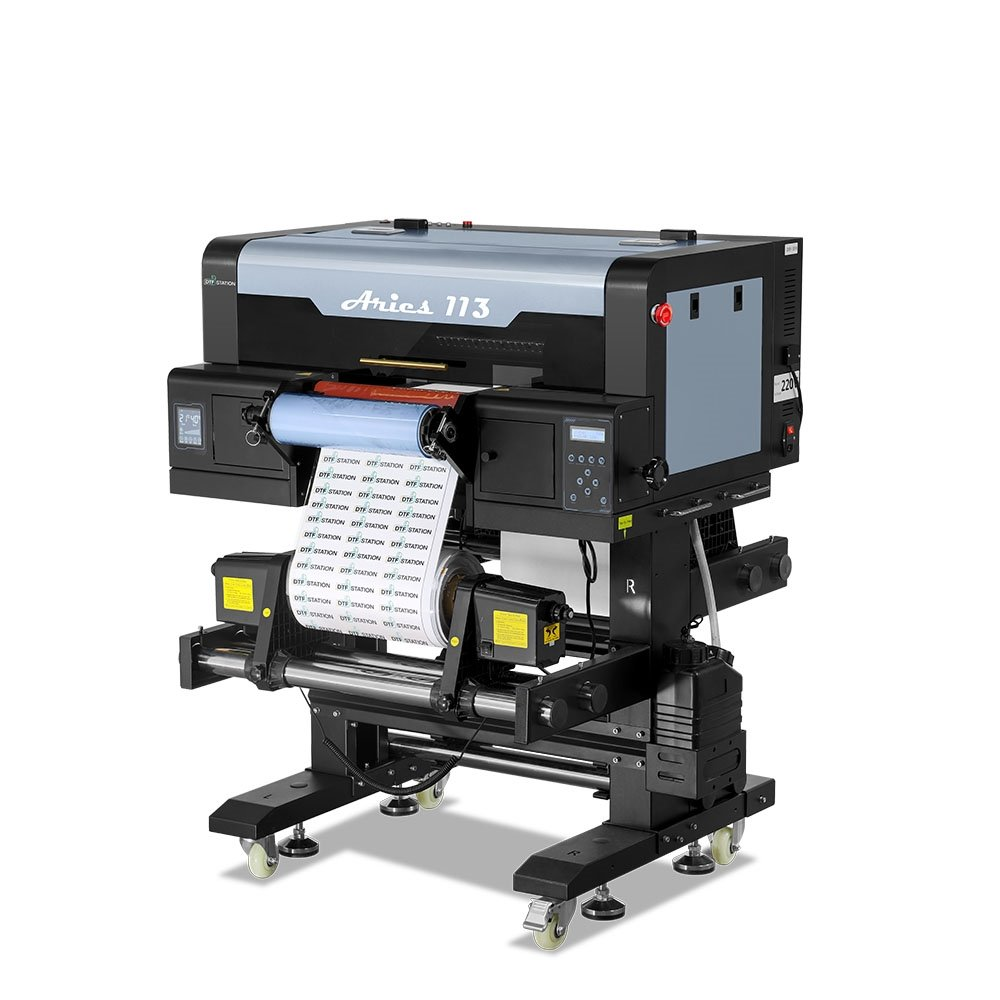
UV DTF printing, or Ultra-Violet Direct-to-Film printing, is revolutionizing the future of printing with its remarkable ability to produce vibrant, high-quality prints tailored to a variety of surfaces. This custom printing technology integrates the efficiency of direct-to-film methods with the precision of UV curing processes, resulting in durable designs that outlast traditional prints. As advancements in UV printing continue to unfold, especially leading into 2025, industry professionals must embrace these innovations to stay ahead in a competitive market. Notable advancements, such as the Mimaki UV DTF printer, underscore a wave of creativity that is transforming both commercial and artistic applications. With the rise of DTF printing innovations, businesses can leverage these cutting-edge techniques to meet the growing demand for custom solutions in an eco-conscious world.
The world of printing technology is rapidly evolving, particularly through techniques such as Ultra-Violet Direct-to-Film printing, which stands at the forefront of customized print solutions. This advanced method, characterized by its innovative UV curing process, is setting new benchmarks for durability and vibrancy across diverse applications. As we venture deeper into this new printing landscape, the capabilities offered by the latest equipment, including specialized printers like the Mimaki series, are pivotal in driving industry advancements. Moreover, these printing advancements are not just limited to aesthetics; they also fulfill the industry’s shifting focus toward sustainable and efficient printing solutions. Emphasizing these innovations will be essential for companies aiming to thrive in the dynamic and ever-changing realm of print technology.
Understanding UV DTF Printing
UV DTF printing, or Direct-to-Film printing using UV technology, represents a pivotal innovation in the printing industry. This technique combines the versatility of direct-to-film applications with the efficiency and speed of ultraviolet curing. As a result, businesses can achieve a remarkable quality of print with vibrant colors and intricate designs, making it ideal for custom apparel, promotional goods, and signage. The innovative process allows inks to be cured almost instantly, reducing the time needed for drying and finalizing prints.
Moreover, this method uniquely caters to diverse materials, allowing prints on everything from textiles to hard surfaces. Therefore, UV DTF has become a popular choice for designers looking to combine creativity with practical applications. Companies like Mimaki are leading the charge, offering state-of-the-art printers that showcase the full potential of UV DTF technology. Their advancements signify a shift towards more streamlined workflows, increased production capacity, and the ultimate capability to meet unique customer demands.
Frequently Asked Questions
What are the main advantages of UV DTF printing over traditional methods?
UV DTF printing offers several advantages, including faster production times due to instant curing of inks, expanded color gamuts with vibrant prints, and the flexibility to adhere to various surfaces. This custom printing technology outpaces traditional methods by enhancing operational efficiency and reducing waste.
How is UV printing technology advancing in the UV DTF printing landscape?
The advancements in UV printing technology directly impact UV DTF printing through innovations such as nine-color systems that expand color options and automated cutting solutions that improve efficiency. These UV printing advancements enable businesses to deliver high-quality, customized products swiftly and sustainably.
What types of products can be created using UV DTF printing?
UV DTF printing can be used to create a variety of products including custom apparel, signage, and promotional items. Its versatility allows for printing on multiple surfaces, from textiles to rigid materials, catering to diverse consumer demands in the custom printing market.
Why is the Mimaki UV DTF printer significant for future printing needs?
The Mimaki UV DTF printer, such as the UJV300DTF-75, is significant as it enhances customization capabilities, allowing prints on uneven textures. This innovation positions it as a preferred choice for businesses focused on bespoke printing solutions, making it a vital tool for future printing needs.
How can businesses benefit from adopting UV DTF technology early?
Businesses that adopt UV DTF technology early gain a strong competitive edge by leveraging advanced printing solutions to boost profit margins, retain clients, and meet evolving consumer demands. Embracing these innovations positions them favorably in an increasingly crowded custom printing market.
What trends are shaping the future of UV DTF printing in the industry?
Key trends shaping the future of UV DTF printing include a shift towards eco-friendly solutions, advancements in technology like roll-to-roll capabilities, and increased customization options. These trends signify a move towards more efficient, high-quality, and customer-centric printing practices.
| Feature | Description |
|---|---|
| What is UV DTF Printing? | A combination of direct-to-film technology and UV curing that produces vibrant and durable prints suitable for various surfaces. |
| Key Features | 1. **Expanded Color Gamuts** – Introduction of nine-color systems for richer imagery. 2. **Automated Solutions** – Enhanced operational efficiency through automation. 3. **Roll-to-Roll Technology** – Increased efficiency with 36-inch printing capabilities. |
| Trends | 1. **High-Quality and Eco-Friendly** – Adoption of sustainable practices. 2. **Strong Competitive Edge** – Importance of innovation and early adoption. 3. **Customization and Flexibility** – Adaptation to bespoke printing demands with advanced printing solutions. |
| Innovations | 1. Development of **High-Performance Printers** like Epson SureColor F9480. 2. Rise of other manufacturers through integrating new printing technologies. |
Summary
UV DTF printing is at the forefront of transforming the printing landscape, offering vibrant prints, efficiency, and customization like never before. As businesses adopt this technology, they are likely to experience remarkable growth, operational efficiency, and enhanced product offerings. The introduction of advanced features such as expanded color gamuts, automated solutions, and innovative printers positions UV DTF printing as a key player in catering to modern consumer demands. Looking ahead, businesses within the printing industry must embrace these advancements to thrive and remain competitive in an ever-evolving marketplace.