
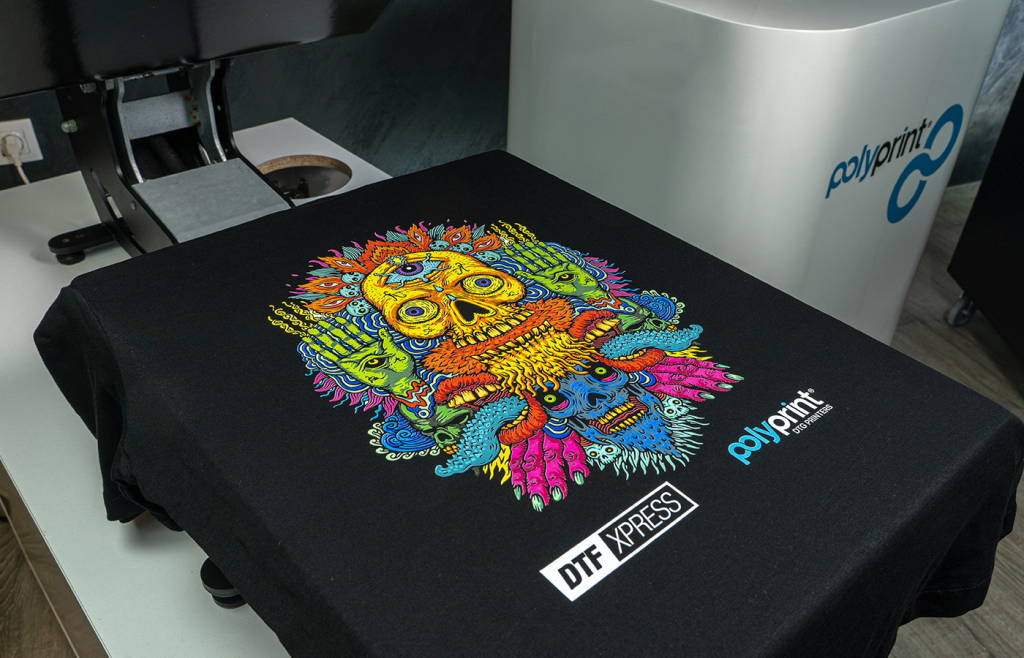
In the ever-evolving landscape of printing technology, DTF printing stands out as an innovative method that is reshaping how businesses approach customization on a variety of fabrics. This Direct-to-Film process offers significant advantages over traditional printing methods such as sublimation and direct-to-garment (DTG) printing, notably in terms of versatility and quality. Unlike sublimation, which is limited primarily to polyester, DTF printing can be applied to a much broader range of materials, allowing for creative possibilities that cater to diverse consumer needs. Additionally, DTF contributes to sustainable printing practices by reducing waste and utilizing eco-friendly materials, making it an appealing choice for businesses committed to sustainability. As companies navigate the complexities of DTF vs sublimation and DTF vs DTG, understanding these methods’ unique benefits is essential for enhancing product quality and customer satisfaction.
Also known as Direct-to-Film printing, this method revolutionizes the application of vibrant designs onto a variety of textiles and other surfaces. By employing a film transfer technique, businesses can achieve exceptional detail and consistency in their prints, distinguishing it from other popular printing methods. Many are curious about the differences between DTF printing and DTG or sublimation, particularly regarding fabric compatibility and environmental impact. As the demand for sustainable printing solutions grows, the DTF process emerges as not only an effective but also an eco-friendly option for businesses that prioritize quality and responsibility in their production practices. This introductory look at DTF highlights its capabilities and the factors to consider when choosing the right printing method for your business.
What is DTF Printing and Why Choose It?
Direct-to-Film (DTF) printing has emerged as a revolutionary technique that allows businesses to create vibrant designs on a wide array of fabrics. This method involves printing a design onto a specialized film, which is then heat-transferred onto the desired material. What sets DTF apart from other methods, such as sublimation or screen printing, is its versatility. While sublimation is restricted mainly to polyester fabrics, DTF can be used effectively on various materials, including cotton blends and even non-textile items. This flexibility opens up a range of creative possibilities for designers and business owners alike.
Moreover, DTF printing maintains high-quality standards, delivering bright colors, sharp details, and excellent durability. This makes it an attractive option for businesses seeking to maintain a competitive edge in the print industry. With DTF’s capability to work on diverse fabrics and its overall ease of use, it becomes a go-to choice for small businesses and creative professionals looking to expand their offerings without the overhead of complex machinery.
DTF vs. Sublimation: Making a Choice Based on Needs
When comparing DTF printing and sublimation, it’s crucial to recognize their distinct advantages and limitations. Sublimation printing has been a popular choice for producing vibrant graphics primarily on polyester fabrics. While it offers exceptional color saturation and a smooth finish, it isn’t as versatile when it comes to fabric types. DTF printing, however, rivals sublimation by providing options for a wider range of materials. This means that not only can businesses cater to different customer preferences, but they can also explore creative avenues previously unavailable with sublimation.
Additionally, DTF presents itself as a more user-friendly option, particularly for those transitioning into the printing industry. Compared to sublimation, which often requires extensive setup like pretreating fabrics, DTF simplifies the process, allowing for quicker turnaround times. Businesses can save both time and resources, ultimately leading to increased customer satisfaction and loyalty.
Sustainability in DTF Printing: An Eco-Friendly Solution
In today’s environmentally conscious marketplace, sustainability is a key consideration for businesses in the printing industry. DTF printing shines as a viable eco-friendly option, significantly reducing waste compared to traditional methods. This process involves minimal ink usage and avoids non-biodegradable materials, positioning itself as a responsible choice for those aiming to enhance their corporate sustainability initiatives. Many companies implementing DTF report a noticeable decrease in their environmental impact, which aligns with the burgeoning consumer demand for socially responsible practices.
Moreover, the efficient use of resources extends beyond just waste reduction. DTF printing requires less water in its operations compared to other printing methods. As businesses strive to contribute positively to the environment while meeting production demands, choosing DTF printing can help reduce their ecological footprint and appeal to a growing demographic of eco-conscious consumers.
The Growing Market Demand for DTF Printing
As the popularity of DTF printing surges, market demand is evolving rapidly. Increased investments in DTF technologies indicate a significant shift in how businesses approach customized printing solutions. With the introduction of compact and affordable DTF printers, smaller enterprises now have access to high-quality printing without the need for costly infrastructure. This accessibility allows them to tap into the print-on-demand market, creating opportunities for personalized products that resonate with consumer desires.
Industry experts predict a bright future for DTF, with an emphasis on quick service and adaptability driving its growth. Companies like EazyDTF have recently made headlines by bolstering their DTF capacities, catering to the rising market demand and reflecting the sector’s potential for expansion. As businesses increasingly recognize the benefits of DTF, embracing this method can set them on a competitive trajectory in a rapidly evolving marketplace.
DTF vs. DTG: Assessing Their Unique Benefits
When it comes to comparing DTF and Direct-to-Garment (DTG) printing, understanding their respective advantages is key for businesses to make informed choices. DTG printing relies on inkjet technology to print directly onto garments, often resulting in beautiful, detailed designs ideal for small batches. However, DTG can face challenges such as limited image opacity on dark fabrics and often necessitates pretreatment steps, which can complicate production workflows.
In contrast, DTF printing thrives on versatility, allowing it to effectively print on a wider variety of materials without the complications associated with DTG. This ease of use and fabric compatibility makes DTF an attractive option for businesses looking to optimize their production processes while delivering high-quality products. For those aiming to maximize efficiency while catering to diverse customer demands, DTF presents itself as a compelling alternative to traditional DTG methods.
Navigating the Future of Printing: Which Method is Right for You?
Deciding on the appropriate printing method for your business can significantly affect the quality of your offerings and operational efficiency. As the market becomes increasingly competitive, it’s essential to choose a method that aligns with your specific production goals and customer needs. While DTF printing is rapidly gaining a reputation for its versatility and sustainability, evaluating its fit within your business model is crucial.
Consider factors such as fabric compatibility, market trends, and the operational costs associated with each method. Both DTF and other established techniques like sublimation or DTG come with their unique advantages. Understanding these nuances and how they align with your brand’s ethos and customer expectations will ultimately guide you toward making the right choice for your printing needs.
Frequently Asked Questions
What is DTF printing and how does it compare to sublimation printing?
Direct-to-Film (DTF) printing is a method where designs are printed onto a special film and then transferred to various fabrics using heat and pressure. Unlike sublimation printing, which is primarily effective on polyester and polymers, DTF printing offers broader fabric compatibility, allowing for prints on cotton blends and other materials. This versatility makes DTF a strong contender against sublimation in the printing industry.
How eco-friendly is DTF printing compared to traditional printing methods?
DTF printing is considered an eco-friendly option due to its reduced waste production. Unlike many traditional methods that generate significant waste, DTF printing minimizes excessive ink usage and avoids non-biodegradable materials. This sustainable approach resonates with environmentally conscious consumers and supports the trend towards eco-friendly printing.
Is DTF printing more versatile than DTG printing?
Yes, DTF printing is often seen as more versatile than Direct-to-Garment (DTG) printing. While DTG printing is limited to certain fabric types and can struggle with dark colors without pretreatment, DTF printing can be applied to a wider variety of materials, including those that DTG may not accommodate, offering businesses greater flexibility in their printing options.
What are the advantages of using DTF printing for small businesses?
DTF printing offers several advantages for small businesses, including ease of use, lower setup requirements, and the ability to produce high-quality, vibrant prints on various fabrics. The recent introduction of compact DTF printers makes it accessible for entrepreneurs wanting to enter the print-on-demand market without significant upfront investment.
Can DTF printing produce high-quality results similar to sublimation?
Absolutely! DTF printing is capable of producing bright colors, intricate details, and exceptional durability, often rivaling the best outputs of sublimation printing. This quality makes DTF an appealing choice for businesses focused on delivering top-notch products to their customers.
How does DTF printing impact sustainability in the printing industry?
DTF printing positively impacts sustainability by reducing the overall waste and environmental footprint associated with printing processes. By minimizing ink usage and utilizing less water, DTF promotes eco-friendly practices within the industry. Companies adopting DTF often see a lower environmental impact, aligning with consumers’ increasing demand for sustainable printing solutions.
| Printing Method | Pros | Cons |
|---|---|---|
| DTF Printing | Broad fabric compatibility, user-friendly, high-quality results, reduced waste | Requires investment in special equipment |
| Sublimation Printing | Ideal for vibrant designs on polyester, excellent for bulk printing | Limited to polyester or polymer-coated surfaces |
| DTG Printing | Best for detailed prints, no need for transfer processes | Complex setup for dark fabrics; less versatile with materials |
| Screen Printing | Cost-effective for large volumes, traditional method | High setup costs, limited to specific fabrics, long turnaround time |
Summary
DTF printing is rapidly becoming an essential method for modern businesses looking to enhance their production capabilities and meet customer demands. By offering a unique blend of versatility, sustainability, and high-quality outputs, DTF printing stands out among traditional techniques such as sublimation and screen printing. As consumer preferences shift towards personalization and eco-friendliness, DTF not only aligns with these trends but also provides businesses a competitive edge in the print market. Choosing DTF printing can lead to exciting opportunities for creative expression and sustainability in your business.