
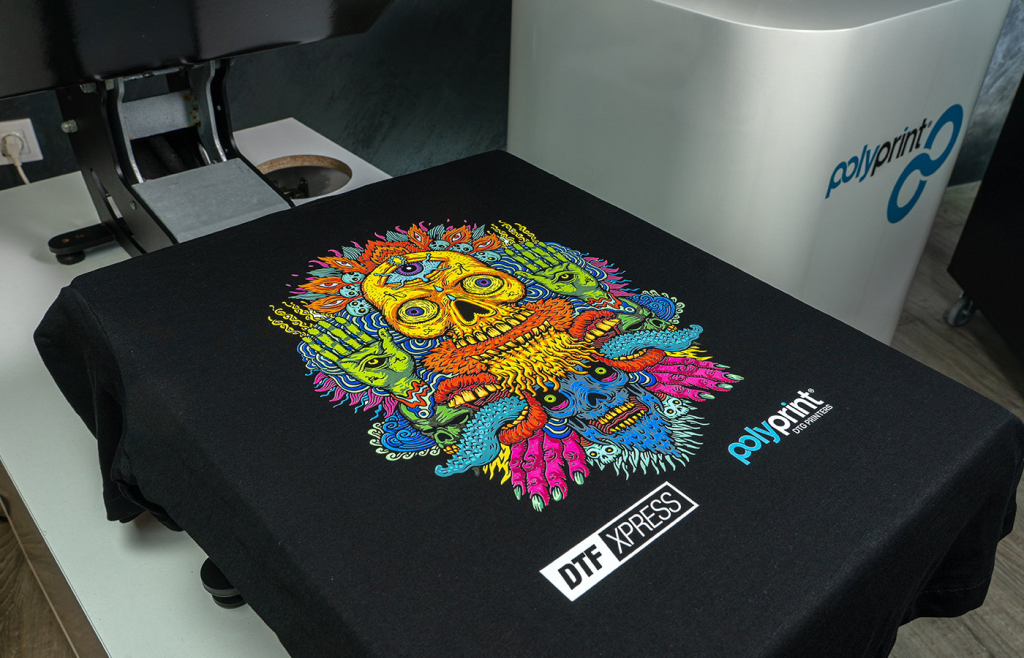
DTF printing, or Direct-to-Film printing, represents a revolutionary advancement in the realm of textile decoration, merging quality with versatility to cater to various creative needs. As a beginner looking to delve into this innovative printing process, it’s essential to understand its unique benefits and how to DTF print effectively. From its ability to print on diverse fabrics, including cotton and polyester, to its cost-effectiveness, DTF printing is rapidly gaining traction among both hobbyists and professional printers. This guide serves as a comprehensive resource, providing insights into the DTF printing process, essential tips, and the materials needed. Equip yourself with this knowledge to unlock endless possibilities in custom apparel design.
In the vibrant world of textile printing, Direct-to-Film technology is paving the way for a modern approach to creating stunning designs. Known for its adaptability and high-quality output, this printing technique provides an efficient means of applying graphics onto various surfaces without compromising on durability. As more users engage in fabric decoration through this method, mastering the basics of direct film printing becomes a valuable skill. This introduction to the DTF printing process not only highlights its advantages but also serves as a gateway for those eager to explore the realm of garment customization. With accessible instructions and resources, both beginners and experienced creators can successfully navigate the art of DTF printing.
The Basics of DTF Printing Explained
Direct-to-Film (DTF) printing is an innovative technique that bridges the gap between creativity and technology in custom apparel design. By using specialized printing equipment, this method allows for the vivid transfer of images and designs onto fabric surfaces. The process begins with a coated film that is printed with DTF inks, ensuring a sharp and detailed representation of the original artwork. This foundational understanding is crucial for any beginner looking to explore the world of DTF printing.
One of the key aspects that makes DTF printing stand out is its versatility. Unlike traditional techniques, such as screen printing, which may be limited to specific materials, DTF printing can be applied on a wide range of fabrics, including cotton, polyester, and blends. This adaptability enables users to cater to diverse customer needs, whether crafting custom t-shirts, caps, or even promotional materials—all while maintaining high-quality results.
Understanding the DTF Printing Process
The DTF printing process comprises several core stages that work collaboratively to achieve a striking final product. Initially, the setup involves printing the desired image onto a specially coated DTF film using compatible printers. This initial step is critical, as the quality of the film and the inks directly influences the vibrancy and durability of the final print.
After the design is printed on the film, a powder adhesive is applied and cured to ensure it adheres correctly during the heat transfer process. This step is essential for creating a strong bond between the ink and the fabric. Finally, the film is heat-pressed onto the chosen garment, where the combination of heat and pressure causes the design to transfer seamlessly. This multi-step approach highlights the intricate nature of DTF printing and its ability to produce long-lasting, vivid designs.
Benefits of DTF Printing for Businesses
For businesses looking to maximize their print capabilities, DTF printing presents several compelling advantages. One significant benefit is its compatibility with various fabric types, which opens up a wider range of product offerings. Businesses can produce high-quality prints on everything from t-shirts to bags, thus catering to diverse customer needs while simplifying inventory management.
Another advantage is the cost-effectiveness of DTF printing. With lower initial investments compared to other printing technologies, businesses can start small without the burden of high overhead costs. Additionally, DTF printing is particularly suited for short runs and quick turnaround times, allowing businesses to respond promptly to market trends and customer demands without compromising quality.
Current Trends in DTF Printing
The DTF printing industry is experiencing a surge in popularity, driven by advancements in technology and increased accessibility for both hobbyists and professionals. Companies are expanding their offerings, investing in better equipment, and exploring new techniques, leading to an impressive evolution in DTF capabilities. This growth is indicative of a vibrant market ripe with opportunities for growth and creativity.
Additionally, the blending of DTF technology with traditional printing methods introduces exciting possibilities. Innovations like integrating DTF with direct-to-garment (DTG) printing allow for broader creative expressions, ultimately resulting in higher quality prints and more colorful designs. Staying current with these trends ensures that beginners can leverage the latest developments in their DTF journey.
Getting Started with DTF Printing: A Beginner’s Guide
For newcomers to DTF printing, navigating the initial stages can feel overwhelming. However, comprehensive guides and instructional materials are widely available to facilitate the learning process. The ‘Beginner’s Guide to DTF Printing’ serves as an excellent starting point, covering the essentials of setup, equipment selection, and software needs to get any beginner up and running.
Moreover, many online forums and communities offer supportive environments where beginners can share experiences, ask questions, and learn from more experienced users. Taking advantage of these resources not only enhances the technical savvy needed for DTF printing but also fosters a sense of community for individuals passionate about textile design.
Maximizing Output and Quality in DTF Printing
Achieving high-quality results in DTF printing involves not only mastering the technical process but also understanding how to optimize outputs. Elements such as print resolution, ink quality, and substrate selection play vital roles in the final outcome. For instance, using the correct DPI settings during the print process can significantly enhance the sharpness and detail of the designs.
Furthermore, maintaining equipment and regularly calibrating printers are essential practices that ensure the longevity and quality of the outputs. By implementing these best practices, both beginners and seasoned operators can consistently produce vibrant, durable prints that stand out in the competitive textile market.
Frequently Asked Questions
What is DTF printing and how does it work?
DTF printing, or Direct-to-Film printing, is a modern technique for transferring vibrant designs onto various surfaces, primarily fabrics like t-shirts and bags. The DTF printing process involves printing designs onto a specially coated film, applying adhesive powder, and then heat-pressing the film onto the fabric, resulting in a durable, high-quality image.
What are the main benefits of using DTF printing?
DTF printing offers several advantages, including compatibility with a wide range of fabrics, sustainability through reduced waste, and cost-effectiveness for small production runs. Additionally, the durability of DTF prints ensures they withstand multiple washes without fading, making them ideal for frequent wear.
How can beginners get started with DTF printing?
To start DTF printing, beginners should familiarize themselves with the DTF printing process by exploring resources such as ‘The Beginner’s Guide to DTF Printing.’ Essential tools include a DTF printer, specially coated film, adhesive powder, and a heat press. Online tutorials and guides can also provide step-by-step instructions for setting up and executing prints.
What materials can be used with DTF printing?
DTF printing is versatile and can be used on a variety of fabrics, including cotton, polyester, and their blends. This broad compatibility makes DTF a popular choice among designers and businesses looking to create custom apparel and textiles.
How does DTF printing compare to traditional printing methods?
Unlike traditional methods such as screen printing, DTF printing offers greater versatility and efficiency. DTF allows for high-quality, vibrant prints on various fabric types with less waste and lower initial costs, making it ideal for both small and large production runs.
What technological innovations are shaping the future of DTF printing?
The DTF printing landscape is evolving with advancements such as the integration of DTF with methods like sublimation and DTG printing. New printer models, like the Sawgrass VersiFlex, enhance printing capabilities, allowing for greater creativity and efficiency in the design process.
| Key Point | Description |
|---|---|
| What is DTF Printing? | A method for transferring vibrant designs onto various textiles, primarily fabrics such as t-shirts and bags. |
| Process | Involves film preparation, adhesive application, and heat transfer to adhere designs to fabric. |
| Benefits | Includes compatibility with various fabrics, sustainability, cost-effectiveness, and durability of prints. |
| Current Trends | Rapid market growth, advancements in technology, and increased accessibility for hobbyists. |
| Learning Resources | A variety of guides and tutorials available to assist beginners in starting with DTF printing. |
Summary
DTF Printing is a revolutionary method that has transformed the realm of textile decoration. This innovative printing technique allows for the vibrant transfer of designs onto various fabric types, making it immensely popular among both hobbyists and professionals. With its unique benefits—such as sustainability, compatibility with multiple fabrics, and durability—DTF printing is an excellent investment for anyone seeking to delve into custom designs. As you explore this technology, take advantage of available resources to ensure a smooth start. The journey into DTF printing opens a palette of creative possibilities that await your exploration!