
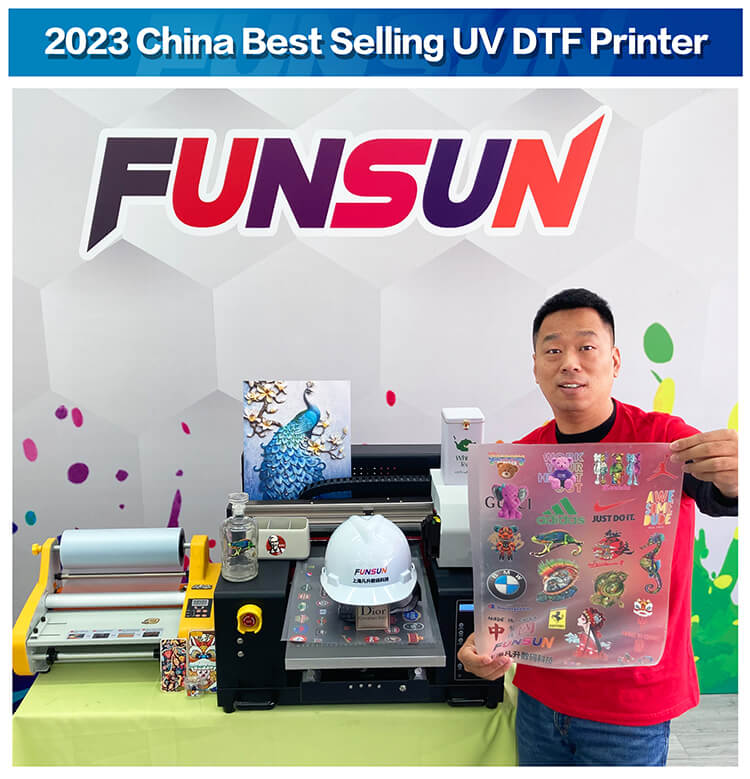
UV DTF printing, or Ultra Violet Direct to Film printing, is rapidly revolutionizing the printing industry by integrating advanced UV printing technology with the simplicity of direct to film methods. This innovative approach not only ensures high-quality, vibrant prints but also caters to the growing demand for eco-friendly printing solutions. As businesses strive to adopt more sustainable printing methods, UV DTF emerges as a vital choice, helping them reduce waste and embrace efficiency. With its use of low VOC inks and energy-efficient processes, UV DTF printing is particularly appealing to environmentally-conscious brands. In this post, we’ll explore the remarkable advantages of UV DTF printing and how it is shaping the future of responsible production.
Also known as Ultra Violet Direct to Film printing, this technique utilizes cutting-edge UV printing technology to achieve exceptional print quality while minimizing environmental impact. By prioritizing sustainable printing methods, UV DTF printing allows businesses to produce captivating designs on various substrates with reduced waste. This approach is especially beneficial for companies looking to align with eco-friendly practices while maintaining high standards of quality and efficiency. With the incorporation of low VOC inks, UV DTF not only enhances the vibrancy of prints but also contributes to cleaner air and healthier work environments. As we examine this innovative process further, it becomes evident that UV DTF printing represents a stride toward a more sustainable future for the printing industry.
What is UV DTF Printing?
UV DTF printing, or Ultra Violet Direct to Film printing, represents a significant advancement in printing technology that combines the capabilities of UV printing with the ease and effectiveness of direct transfer methods. This innovative process utilizes UV light to cure ink instantly upon application, which allows for immediate adhesion to multiple substrates. This capability not only enhances the quality and vibrancy of prints but also significantly reduces the drying time associated with traditional printing techniques. The unique properties of UV DTF printing make it suitable for a wide range of materials, opening up diverse applications across various industries.
Additionally, the operational efficiency of UV DTF printing is noteworthy. By allowing for instant curing, businesses can achieve higher output without compromising on quality. This is particularly advantageous in fast-paced environments where timely delivery is critical. Moreover, with the rise of eco-conscious consumerism, the incorporation of UV DTF technology has positioned companies to align their production methods with sustainable practices, reinforcing the importance of being both innovative and environmentally responsible in today’s market.
The Environmental Advantages of UV DTF Printing
One of the most appealing aspects of UV DTF printing is its commitment to environmental sustainability. The process minimizes waste production, a common pitfall in traditional printing methods. By being compatible with a variety of substrates without the need for pre-treatment, UV DTF reduces the likelihood of misprints and material waste, which is a significant concern in the printing industry. This efficiency contributes to lower environmental impact and promotes a more responsible approach to production.
Furthermore, UV DTF printing utilizes low VOC inks, which are far less harmful than traditional solvent-based inks. These low VOC emissions not only contribute to a cleaner work environment but also enhance air quality, thus benefiting the health of both operators and end consumers. As businesses and consumers become increasingly aware of the impacts of printing methods on environmental health, the appeal of UV DTF’s reduced emissions makes it a standout option for those prioritizing eco-friendly solutions.
Versatility of Applications in UV DTF Printing
The versatility of UV DTF printing is one of its strongest selling points. It can effectively print on a diverse array of materials, ranging from textiles to hard plastics and ceramics. This adaptability makes it ideal for industries such as fashion, packaging, and advertising, where there is a constant demand for customizable and high-quality prints. Businesses leveraging UV DTF technology can cater to various consumer preferences and market demands, thereby expanding their product offerings and enhancing customer satisfaction.
Moreover, as companies strive to adopt sustainable practices, UV DTF printing can integrate recycled and biodegradable materials into production. This fusion of innovation with environmental responsibility not only elevates a company’s brand image but also demonstrates a commitment to sustainability, appealing to increasingly eco-aware consumers. As the market continues to evolve, the ability to provide versatile and sustainable solutions through UV DTF printing will be crucial in maintaining competitive advantages.
Technological Innovations in UV DTF Printing
The field of UV DTF printing is continuously evolving, driven by technological innovations aimed at improving print quality, efficiency, and environmental sensitivity. Recent advancements involve developing more sophisticated UV inks that offer enhanced color vibrancy, durability, and adhesion across a broader range of substrates. These innovations are key to keeping up with the growing demand for high-quality prints that also meet sustainability standards.
Additionally, manufacturers are placing a strong emphasis on research that targets energy efficiency, seeking ways to reduce energy consumption during the printing process. By refining the printing technology and ink formulations, companies can achieve better results while further lowering their environmental footprint. The future of UV DTF printing appears bright, poised to lead the way in eco-friendly printing methods as it continues to advance and innovate.
Market Growth Driven by Eco-Friendly Practices
The market for UV DTF printing is experiencing notable growth, fueled largely by a shift in consumer preferences toward eco-friendly practices. As businesses recognize the importance of sustainability in their operations, the adoption of UV DTF technology allows them to align with these values and respond to market demands effectively. Increasing environmental awareness among consumers has created a competitive landscape where companies that prioritize sustainable methods enjoy a distinct advantage.
This growth is not only limited to the adoption of UV DTF printing; it also extends to an overall increase in sustainable printing methods across the industry. With businesses integrating practices such as low VOC inks and recycling initiatives, the pressure to adopt eco-friendly solutions has never been stronger. As companies invest in UV DTF technology to enhance their sustainability profiles, the printing industry can expect substantial growth and innovation in the coming years.
Conclusion: The Future of Eco-Friendly Printing
In conclusion, UV DTF printing represents a cutting-edge approach to eco-friendly printing methods, promising substantial benefits for both businesses and the environment. By embracing this technology, companies can significantly reduce waste, lower VOC emissions, and enhance their energy efficiency—all of which align with the increasing consumer demand for sustainable products. Therefore, as businesses strategize their future, investing in UV DTF printing technology could be an essential step toward a greener, more sustainable landscape in the printing industry.
As the pressure for sustainable development intensifies, UV DTF printing is set to lead the charge in transforming traditional practices into innovative, environmentally friendly approaches. This technology not only allows businesses to maintain high-quality standards but also empowers them to actively participate in preserving the environment. Moving forward, the continued evolution of UV DTF printing will be crucial in shaping a more sustainable future for the printing industry.
Frequently Asked Questions
What is UV DTF printing and how does it work?
UV DTF printing, or Ultra Violet Direct to Film printing, utilizes UV printing technology to cure inks instantly during the printing process. This method allows for high-quality, vibrant prints on various substrates with immediate adhesion, minimizing waste and enhancing efficiency. As one of the leading eco-friendly printing methods, UV DTF combines the simplicity of direct transfer printing with innovative ink formulations.
What are the environmental benefits of UV DTF printing?
One of the key environmental benefits of UV DTF printing is its reduced waste production. This eco-friendly printing method minimizes excess material usage due to its ability to print directly on diverse substrates without pre-treatment. Additionally, UV DTF employs low VOC inks, resulting in lower volatile organic compound emissions and cleaner air quality during the printing process, promoting sustainability in printing.
How does UV DTF printing compare to other sustainable printing methods?
Compared to traditional printing methods, UV DTF printing stands out due to its energy efficiency and lower waste generation. The instant curing capability of UV printing technology not only speeds up production cycles but also significantly cuts down on VOC emissions, making it a crucial player in the realm of sustainable printing methods. Businesses looking to adopt eco-friendly practices should consider UV DTF for its versatility and environmental advantages.
Can UV DTF printing be used on various materials?
Yes, UV DTF printing is highly versatile and can effectively print on a wide range of materials, including textiles, plastics, ceramics, and more. This adaptability makes UV DTF an excellent choice for businesses across different industries, reinforcing its position as a leading method in eco-friendly printing solutions.
What are the advantages of using low VOC inks in UV DTF printing?
Using low VOC inks in UV DTF printing contributes to a healthier environment by reducing harmful emissions during the printing process. This eco-friendly benefit enhances air quality, making it safer for printing facility operators while aligning with the growing consumer demand for sustainable products. The use of these inks also supports overall sustainability efforts in the printing industry.
What is the future outlook for UV DTF printing in the market?
The future outlook for UV DTF printing is promising, driven by a rising awareness of sustainability among consumers and businesses. As more companies embrace eco-friendly practices, the demand for UV DTF printing is expected to grow. Innovations in UV printing technology, including developments in ink formulations and printing capabilities, will likely further contribute to the market expansion of this sustainable printing method.
| Key Aspect | Details |
|---|---|
| Technology | UV DTF printing uses UV light to instantly cure inks, allowing immediate adhesion to various surfaces. |
| Environmental Benefits | Key eco-friendly advantages include reduced waste production, lower VOC emissions, and energy efficiency. |
| Versatility | Can print on diverse materials such as textiles, plastics, and ceramics, catering to various industries. |
| Market Growth | Driven by the demand for sustainable practices, the UV DTF market is rapidly expanding. |
Summary
UV DTF printing is revolutionizing the printing industry with its eco-friendly advantages, making it a preferred method for sustainable printing solutions. This innovative technology, which combines UV printing with direct heat transfer, stands out by minimizing waste, lowering harmful emissions, and enhancing energy efficiency. As businesses increasingly seek to adopt practices that demonstrate their commitment to sustainability, UV DTF printing emerges as a compelling choice. With its versatility across various substrates and ongoing advancements in technology, UV DTF printing not only promises to meet consumer demands but also redefines the standards in the printing industry.