
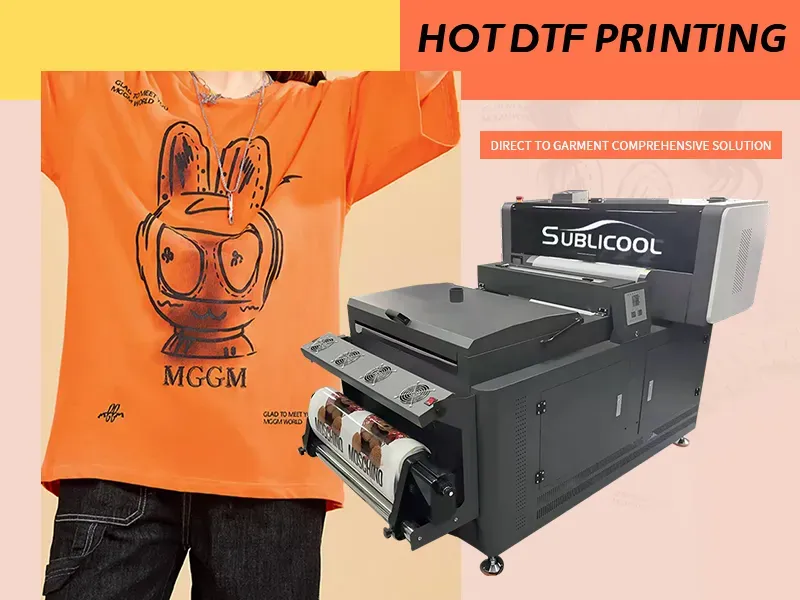
DTF Technology, or Direct-to-Film printing, is at the forefront of innovation in the printing industry, ushering in a new era for custom apparel printing. This cutting-edge method combines the best aspects of digital and traditional printing, delivering vibrant designs that stand out and meet the diverse needs of consumers and businesses alike. As we delve deeper into DTF technology, we will uncover how it enhances printing efficiency, reduces costs, and promotes sustainable printing practices, all while delivering exceptional print quality. With the rising demand for personalized products, DTF is revolutionizing the way we think about textile printing. Join us as we explore the transformative potential of DTF technology and its implications for the future of the printing landscape.
Also known as direct-to-film printing, this innovative approach is reshaping the realm of textile reproduction by merging the convenience of digital processes with the robust aesthetics typically associated with screen printing. As a standout printing industry innovation, it offers unparalleled opportunities for custom apparel production, marked by high-quality results and minimal waste. By utilizing sustainable printing technology, businesses can now create unique designs that not only appeal to consumers but also align with eco-friendly practices. The DTF print quality ensures durability and brilliance, setting a new standard for printed textiles. This introductory analysis will shed light on how this advanced method is changing the marketplace and shaping consumer expectations.
The Rise of Direct-to-Film Technology in Custom Apparel Printing
The rise of Direct-to-Film (DTF) technology has dramatically changed the landscape of custom apparel printing. Traditionally dominated by screen printing and heat transfer methods, the industry now witnesses a shift towards more innovative, efficient solutions. DTF printing allows for the application of intricate designs in multiple colors with ease, catering to the growing demand for personalized apparel. As consumers increasingly seek unique clothing options, DTF technology provides businesses with the ability to meet these requests quickly without compromising on quality.
Moreover, DTF technology stands out because it effectively bridges the gap between efficiency and creativity. Businesses can produce intricate designs and vivid graphics, responding rapidly to market trends. This advancement not only satisfies consumer expectations but also enhances a brand’s value proposition, enabling creative freedom for designers and marketers alike.
Quality Improvements in DTF Printing Processes
Quality has always been a crucial factor in the printing industry, and DTF technology has taken print quality to new heights. The use of high-performance inks and advanced powder adhesives in DTF printing ensures that the colors are not only vibrant but also durable. Unlike traditional methods where fading and wear can compromise a design’s integrity, DTF prints offer a longer-lasting solution for businesses. This improvement has significant implications for brands that rely on high-quality graphics to attract consumers.
Furthermore, the ability of DTF printing to deliver exceptional detail allows companies to produce merchandise that stands out in a competitive market. As the quality of DTF prints continues to advance, businesses are able to expand their offerings to include more complex designs without fear of diminishing quality. This has led to increased innovation within the market, as brands experiment with creative expressions that engage their target audiences.
The Cost-Effectiveness of DTF Technology in the Printing Industry
Cost-effectiveness is a vital consideration for businesses in the printing industry, and DTF technology has emerged as a financially beneficial option. Compared to traditional printing techniques, the startup costs associated with DTF equipment are significantly lower, allowing smaller companies to enter the custom apparel market with less financial risk. This democratization of technology enables a diverse range of businesses to leverage DTF for their specific needs.
Additionally, DTF printing reduces labor costs, as it streamlines the production process. With the capability to complete multiple designs in one run, businesses can operate more efficiently, enhancing their profit margins. This efficiency makes DTF technology especially appealing for small and medium-sized enterprises looking to maintain competitiveness while offering high-quality products.
Sustainable Practices with DTF Technology
As businesses become more environmentally conscious, the sustainability aspects of DTF technology resonate strongly within the printing industry. This innovative solution significantly reduces energy consumption compared to traditional printing methods, aligning with the goals of businesses striving for greener practices. DTF printing also minimizes waste generation, an important factor in today’s eco-conscious market.
Furthermore, many manufacturers of DTF equipment are prioritizing the use of eco-friendly inks and films, further reducing the environmental impact of the printing process. By adopting sustainable practices with DTF, companies not only appeal to environmentally aware consumers but also gain an edge in a market increasingly driven by corporate responsibility. This alignment with sustainability can enhance brand loyalty and market positioning.
Market Trends Shaping the Future of DTF Technology
Market trends indicate a growing interest in custom apparel, fueled by increased consumer demand for personalization and unique designs. DTF technology is positioned at the forefront of this surge, facilitating quick and effective production of tailored garments. Forecasts suggest that the DTF market will experience substantial growth, with a projected compound annual growth rate (CAGR) of over 15% in the coming years, reflecting the technology’s ability to meet evolving consumer preferences.
Additionally, as e-commerce continues to dominate the retail landscape, businesses are leveraging DTF technology to fulfill these demands efficiently. The capability to produce bespoke items rapidly is a key differentiator in a saturated market, allowing brands to stand out and attract a dedicated customer base. The intersection of technology and consumer trends underscores the importance of DTF in shaping the future of the printing industry.
Challenges and Innovations in DTF Printing
Despite its advantages, DTF technology faces certain challenges that businesses must navigate. Issues surrounding print quality consistency and the necessity for skilled operators can impact production efficiency and product quality. As companies embrace DTF, addressing these concerns is essential to avoid compromising brand reputation and customer satisfaction.
However, ongoing innovations in DTF technology promise to overcome these obstacles. Manufacturers are focusing on developing more user-friendly systems and improving process automation, which could ease the learning curve for new operators. By staying attuned to these advancements, businesses can leverage DTF technology effectively, ensuring consistent output and high-quality results.
Frequently Asked Questions
What is DTF Technology and how does it work?
DTF Technology, or Direct-to-Film printing, is an innovative printing method that transfers designs directly onto films, which are then applied to textiles. This technique allows for greater efficiency and versatility in the printing industry, enabling businesses to print vibrant, high-quality designs on various substrates, including cotton and polyester.
How does DTF Technology compare to traditional printing methods?
DTF Technology offers several advantages over traditional printing methods, such as screen printing and direct-to-garment (DTG) printing. It achieves faster production times, supports multiple colors in one run, and results in high-quality prints that are resistant to washing and fading. This makes DTF printing particularly suitable for custom apparel printing.
Is DTF Printing cost-effective for small businesses?
Yes, DTF Printing is generally more cost-effective compared to traditional silk screen printing. The initial setup costs are lower, and the reduced labor expenses make it an attractive option for small businesses looking to enter the custom apparel market without incurring significant overhead costs.
What is the print quality of DTF Technology?
DTF Technology produces excellent print quality characterized by vibrant colors and intricate designs. The utilization of advanced inks and powder adhesives ensures that prints are not only visually striking but also durable, making them ideal for both consumer and industrial applications.
How does DTF Technology contribute to sustainable printing practices?
DTF Technology supports sustainable printing practices by minimizing energy consumption and reducing waste compared to traditional methods. Many DTF printing manufacturers also use eco-friendly inks and materials, aligning with the growing demand for sustainable printing technology among environmentally conscious consumers.
What are the current market trends for DTF Technology in custom apparel?
The market for DTF Technology in custom apparel is on an upward trajectory, largely driven by increasing consumer demands for personalized products and the growth of e-commerce. Forecasts suggest a robust compound annual growth rate (CAGR) of over 15% for DTF printers, highlighting its rising popularity in the printing industry.
| Key Points | Details |
|---|---|
| Efficiency and Versatility | DTF technology offers quick production and can print multiple colors accurately, making it ideal for small to medium prints. It works on a variety of substrates, providing great flexibility. |
| Quality of Prints | DTF prints are vibrant, durable, and resistant to fading and washing, allowing for the production of intricate and high-quality designs. |
| Cost-Effectiveness | Lower initial investment compared to silk screen printing, reduced labor costs, and affordable materials make DTF an economically viable option. |
| Sustainability Aspects | DTF technology features lower energy consumption and waste. The use of eco-friendly inks and films supports a greener printing process. |
| Market Trends | The demand for custom apparel is increasing, with DTF projected to grow at a CAGR exceeding 15% due to its ability to efficiently meet customer needs. |
| Challenges and Future Directions | Consistency in print quality and the need for skilled operators are current challenges, but ongoing innovations are expected to simplify the process. |
Summary
DTF Technology is reshaping the printing industry by introducing innovative efficiencies, quality improvements, and sustainable practices. As businesses embrace DTF technology, they gain access to a printing solution that not only provides quick turnarounds and versatile applications but also meets the growing consumer demand for customization. The remarkable cost-effectiveness of DTF allows small operations to compete effectively while maintaining high-quality output. Additionally, DTF’s lower environmental impact positions it as a forward-thinking choice in a market that increasingly values sustainability. As we move forward, embracing DTF technology will undoubtedly be key for businesses looking to thrive in a competitive landscape, paving the way for not just advancement in products but also in responsible manufacturing practices.