
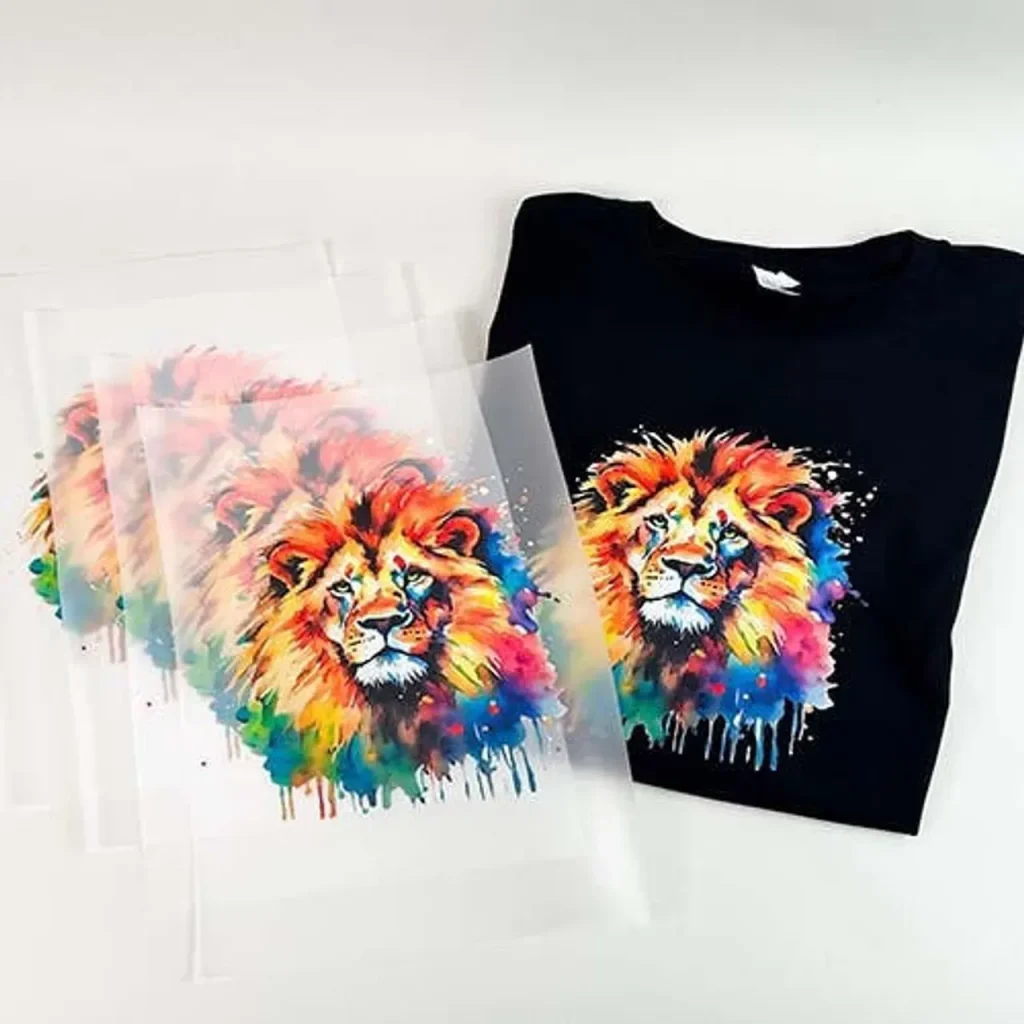
DTF transfers, or Direct-to-Film transfers, are revolutionizing the clothing design landscape by providing a cutting-edge solution for custom apparel creation. This innovative process utilizes advanced inkjet printing technology to transfer high-quality images onto a variety of fabrics, making it a game-changer in the fashion industry. As brands increasingly focus on sustainability, DTF technology stands out for its eco-friendly practices, relying on water-based inks and minimizing waste through on-demand production. The versatility of DTF printing allows designers to experiment with intricate designs and vibrant colors, catering to the rising trend of personalized fashion. With the fashion industry constantly evolving, understanding DTF transfers and their implications on custom clothing design is essential for both creators and consumers alike.
Direct-to-Film printing, often referred to as DTF technology, is making waves in the realm of personalized apparel. This modern method, appealing to both traditional and contemporary designers, allows for intricate and vibrant imagery to be seamlessly transferred onto various fabric types, catering to diverse fashion needs. As the demand for unique clothing grows, sustainable fashion printing practices, like those employed in DTF, are becoming increasingly pivotal in addressing environmental concerns. This approach not only enhances the creative potential for custom clothing design but also aligns with current fashion industry trends that prioritize eco-conscious choices. Embracing alternatives like DTF opens a world of possibilities for designers looking to innovate while being mindful of their impact on the planet.
Understanding Direct-to-Film (DTF) Transfers
Direct-to-Film (DTF) transfers represent a breakthrough in the world of textile printing. This technique leverages modern inkjet technology to produce vibrant designs on transfer film, which can be applied to a variety of fabrics with exceptional clarity and detail. Unlike traditional methods such as screen printing, which can be limited by color and fabric constraints, DTF enables creators to print intricate designs that are both durable and visually striking. This flexibility makes it an attractive option for clothing designers seeking to offer custom clothing designs that resonate with their individual style.
The application of DTF transfers is revolutionizing the way brands approach fashion design. With the ability to produce high-quality prints on diverse materials — from standard cotton to synthetic blends — the possibilities are vast. Fashion designers can embrace bold graphics and detailed illustrations without compromising on quality. As the demand for personalized apparel rises, understanding DTF technology becomes crucial for anyone looking to thrive in the contemporary fashion landscape.
The Advantages of DTF Technology in Clothing Design
One of the most significant benefits of DTF transfers is their high-quality output. Unlike traditional screen printing that can result in a flat appearance, DTF technology captures the soul of the design with vibrant colors and crisp details, ensuring that custom clothing items stand out in a crowded market. The colorfastness and durability of these prints also mean that consumers can enjoy their garments for longer without worrying about fading or cracking. This quality can elevate small brands to newfound heights, allowing them to compete with larger enterprises without sacrificing their artistic vision.
In addition to superior print quality, DTF transfers provide remarkable versatility regarding fabric applications. This technology enables fashion designers to create tailored solutions for a wide range of garments, including sportswear, casual apparel, and luxury pieces. As the industry shifts towards more sustainable practices, DTF emerges as an eco-friendly alternative, reducing the need for bulk production and promoting on-demand manufacturing. By adopting DTF technology, brands not only cater to consumer preferences for unique pieces but also contribute positively to sustainability in the fashion industry.
Sustainability Considerations in DTF Printing
In a world increasingly aware of environmental impacts, DTF technology stands out for its sustainable practices. Traditional printing methods often lead to significant waste, with unused transfers and excess stock contributing to landfill burdens. DTF printing champions an on-demand model, only producing what is necessary for each order. This adaptability allows brands to minimize inventory waste, aligning with the growing trend of sustainable fashion printing.
Moreover, DTF processes primarily utilize water-based inks, which generate fewer harmful chemicals than their solvent-based counterparts commonly found in other printing modalities. This shift not only creates a healthier work environment for printers but also resonates with eco-conscious consumers who prioritize ethical practices in their purchasing decisions. The integration of sustainability into DTF printing thus positions it as a forward-thinking choice in the rapidly evolving fashion landscape.
The Role of DTF Transfers in E-commerce
E-commerce has transformed consumer interactions with fashion, creating a fertile ground for growth through personalization. With the rise of direct-to-consumer brands, there is a growing demand for custom clothing solutions that enable individuals to express their style. DTF transfers play a pivotal role in this space by providing a straightforward method for on-demand customization. Brands can leverage DTF technology to offer personalized products directly to consumers, enhancing their purchasing experience.
Introducing DTF printing in an online retail environment allows fashion brands to create unique offerings that cater to individual preferences. By enabling customers to select or upload their designs for production, DTF transfers not only facilitate the customization process but also deepen consumer engagement. Brands that successfully integrate this technology into their e-commerce strategies can foster stronger relationships with their customers — leading to higher levels of satisfaction and loyalty.
Trends Shaping the Future of Fashion with DTF Technology
As the fashion industry continues to evolve, key trends indicate a robust future for DTF printing. Market research shows that the demand for personalized and custom apparel is driving significant growth in the DTF printing sector, with projections estimating a compound annual growth rate of around 7% in the coming years. This trajectory underscores the necessity for designers and brands to adopt innovative technologies like DTF to remain competitive and relevant.
Additionally, the integration of digital technologies into fashion design is more critical than ever, as consumers increasingly seek unique pieces that reflect their personalities. DTF technology aligns perfectly with this trend, empowering fashion creators to showcase their artistic flair while meeting the evolving needs of the market. Consequently, embracing DTF printing can position brands at the forefront of industry trends, ensuring they make a significant impact in the dynamic fashion landscape.
Why DTF Transfers Are Here to Stay
Looking ahead, DTF transfers appear poised for long-term success in the fashion industry. The growing emphasis on sustainability, combined with the ongoing thirst for individuality among consumers, solidifies DTF technology as a game changer. With its ability to provide high-quality prints on demand, it aligns perfectly with the contemporary values of fast-paced consumer lifestyles and the need for ethical production.
Moreover, as more fashion brands incorporate DTF technology into their production processes, it will likely lead to an increase in accessibility and awareness regarding this innovative method. This further drives competitive advantages for brands willing to tap into its potential. As designers and businesses embrace DTF transfers, they are not only enhancing their offerings but also embracing the future of fashion, which thrives on creativity, sustainability, and consumer-centric innovation.
Frequently Asked Questions
What is DTF transfers and how do they work in custom clothing design?
DTF transfers, or Direct-to-Film transfers, are a modern printing method that involves printing designs onto a specialized film, which is then applied to fabric using heat and pressure. This technique allows for the creation of high-quality, vibrant prints that can be transferred onto various materials, making it popular in custom clothing design.
How do DTF technology benefits sustainable fashion printing?
DTF technology contributes to sustainable fashion printing by reducing waste through an on-demand production model, which eliminates excess inventory. Furthermore, it primarily utilizes water-based inks that are less harmful to the environment compared to traditional solvent-based inks, supporting eco-friendly practices in the fashion industry.
What are the advantages of using DTF transfers compared to traditional printing methods?
DTF transfers offer several advantages over traditional printing methods like screen printing. These include superior print quality with fine details, versatility across multiple fabric types, lower initial setup costs for small businesses, and faster turnaround times, enabling quicker production cycles for custom apparel.
How is DTF transfers influencing trends in the fashion industry?
DTF transfers are influencing trends in the fashion industry by meeting the growing consumer demand for personalized items. As more brands adopt DTF technology, the ability to create unique, customized clothing options is reshaping consumer expectations and driving more individualized fashion choices.
Can DTF transfers be used for various types of fabrics?
Yes, DTF transfers are highly versatile and can be used on a wide range of fabrics, including cotton, polyester, and blends, as well as more complex materials like leather. This adaptability makes DTF technology a favored choice for producing custom apparel across different styles and applications.
What future growth is anticipated for the DTF printing market?
The DTF printing market is projected to experience significant growth, with forecasts indicating a compound annual growth rate (CAGR) of around 7% over the next five years. This expansion is fueled by increasing consumer interest in custom apparel and the efficiency that DTF technology brings to clothing design.
| Key Point | Description |
|---|---|
| What Are DTF Transfers? | DTF transfers use advanced inkjet printing to apply high-quality designs onto fabric via a transfer film, resulting in sharp images and vibrant colors. |
| Benefits of DTF Transfers | 1. High-Quality Prints: Exceptional detail and color vibrant for custom apparel. 2. Versatility: Can be used on various materials including T-shirts and sportswear. 3. Cost-Efficiency: Economical for small businesses, reducing initial investment costs. 4. Quick Turnaround Times: Faster production cycles for customized apparel. |
| Sustainability Considerations | DTF printing promotes sustainability through reduced waste from on-demand production and uses ethical, water-based inks that are less harmful to the environment. |
| Market Trends | The DTF printing market is forecasted to grow at a CAGR of 7% over the next five years, driven by demand for personalized clothing and unique fashion pieces. |
| DTF Transfers and E-commerce | DTF transfers enhance the customization offered by e-commerce, allowing brands to create personalized fashion items, which boosts consumer engagement and loyalty. |
Summary
DTF transfers represent a groundbreaking advancement in clothing design that reshapes the fabric of the fashion industry. As these innovative methods gain traction, their capacity to create high-quality, customizable apparel while promoting sustainability positions them as a pivotal force shaping the future of fashion. With their versatility across various materials and impressive print quality, DTF transfers empower designers and brands to cater to the growing consumer demand for personalized styles. Embracing DTF technology not only enhances the creative possibilities but also aligns fashion production with eco-friendly practices, solidifying a path toward a more sustainable and consumer-focused fashion landscape.