
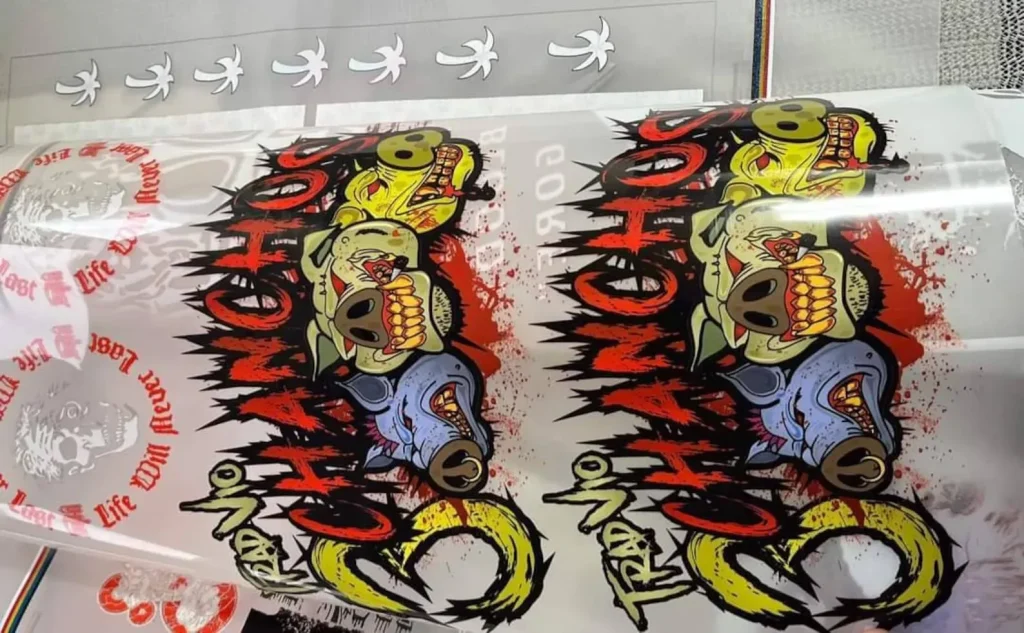
DTF transfers, or Direct-to-Film transfers, represent a groundbreaking development in the custom printing industry, allowing for stunningly vibrant designs to be printed onto a diverse range of materials. This innovative DTF printing process stands out for its versatility, enabling businesses to adorn everything from t-shirts to promotional items with high-quality imagery. Thanks to DTF transfer technology, the advantages of durability and cost-effectiveness are now accessible, making it a preferred choice for many brands looking to enhance their product offerings. By utilizing this technique, companies can take advantage of the myriad benefits that DTF printing provides, effectively addressing the evolving demands of consumers. In this guide, we will delve deeper into the exciting world of DTF transfers and explore how they are transforming apparel printing today.
Direct-to-Film printing, commonly referred to in the industry as DTF transfers, is revolutionizing the landscape of custom fabric decoration. This cutting-edge transfer solution utilizes advanced printing techniques to efficiently produce detailed designs that adhere seamlessly to various substrates. DTF transfer technology is gaining traction due to its unique printing process and the remarkable quality that it delivers, effectively fulfilling the demands of modern consumers. As we explore this innovative approach to custom printing, we will uncover the many benefits of the DTF printing process and how it can elevate your printing projects, making them stand out in a competitive market.
Understanding DTF Transfer Technology
Direct-to-Film (DTF) transfer technology represents a revolutionary shift in the custom printing landscape, bridging the gap between digital printing and traditional methods. This cutting-edge process involves printing high-quality designs onto a specific film, which is then applied to various fabrics using heat and pressure. The result is a vibrant transfer that retains its integrity even after multiple washes. With its growing popularity, DTF technology is garnering attention for its ability to create intricate designs that used to be time-consuming or impossible to achieve with conventional techniques.
What sets DTF transfers apart is their versatility across various substrates. Not only can fabrics be utilized, but materials like plastics, wood, and even leather can be printed on, opening new avenues for businesses seeking to expand their product lines. This adaptability ensures that brands can offer unique, customized products that cater to diverse customer preferences.
Benefits of DTF Printing for Custom Apparel
The benefits of DTF printing are far-reaching, particularly in the realm of custom apparel. One of the primary advantages is the vivid color reproduction that DTF technology is capable of achieving. By utilizing specialized inks designed for durability and flexibility, brands can create custom designs that pop visually and stand the test of time, a critical consideration for clothing items that undergo frequent washing.
Another significant benefit is the cost efficiency associated with DTF transfers. Unlike traditional screen printing, which involves costly setup processes, DTF printing provides a more economically viable option for smaller batches. This affordability makes it an attractive solution for startups and small businesses that aim to create unique merchandise without incurring substantial upfront costs.
Decoding the DTF Printing Process
Understanding the DTF printing process is fundamental for businesses considering adopting this innovative technology. Beginning with design preparation, a graphic design is crafted to ensure compatibility with the DTF printing specifications. This meticulous planning stage is crucial, as it sets the foundation for the entire print run. Once the design is ready, the subsequent steps involve printing onto a specialized DTF film, applying a powder adhesive, and curing the transfer before it is finally applied to the fabric.
The application of heat is a pivotal part of the DTF transfer process, as it activates the adhesive and bonds the ink to the fabric. This step not only ensures the longevity of the print but also highlights the efficiency of DTF technology in producing high-quality outputs. The seamless integration of these stages results in a durable and vibrant final product, making DTF transfers a preferred choice in the custom apparel industry.
Latest Innovations in DTF Transfer Technology
Recent advancements in DTF transfer technology have led to faster, more efficient printers that are revolutionizing the production landscape. With innovations in print head technology and ink formulation, the speed of print jobs has increased dramatically, allowing businesses to meet high demand without sacrificing quality. These developments are essential for brands aiming to stay competitive in a market characterized by rapid trends and consumer demand for instant gratification.
Additionally, eco-friendly inks have emerged as a crucial component of these innovations. As environmental concerns become increasingly paramount, DTF printing technology has adapted by introducing sustainable inks that do not compromise on quality. This shift not only attracts environmentally conscious consumers but also adds to the overall appeal of DTF transfers as a modern printing solution.
Exploring Applications of DTF Transfers
DTF transfers hold immense versatility that extends beyond clothing, making them suitable for various applications. From custom apparel like t-shirts and hoodies to promotional products such as tote bags and hats, the possibilities are expansive. DTF technology allows businesses to capitalize on unique marketing opportunities by creating personalized merchandise that resonates with their target audience.
Moreover, the ability to print on home textiles, such as cushions and tablecloths, showcases DTF’s adaptability in serving the home decor market. This versatility creates additional revenue streams for businesses and opens up the potential for engaging multiple market segments, thereby maximizing the impact of DTF technology in custom printing.
Understanding DTF Printing Costs and Efficiency
Cost efficiency is one of the primary motivating factors for businesses transitioning to DTF printing technologies. The affordability of DTF transfers allows companies to produce smaller orders without the burden of high initial costs associated with traditional screen printing. For smaller businesses or startups, this is a game-changer, as it lowers the financial barrier to entry and enables them to offer customized products.
Furthermore, the minimal waste produced during the DTF printing process adds to its cost-effectiveness. By reducing excess materials and optimizing workflow, businesses can save on both print costs and resources. This efficiency is especially appealing in an increasingly eco-conscious marketplace, where sustainability and reduced waste are becoming more important to consumers.
Frequently Asked Questions
What is DTF transfer technology and how does it work?
DTF transfer technology, or Direct-to-Film printing, involves printing a design onto a special film which is then transferred onto fabric using heat and pressure. This process enhances the vibrancy and durability of designs, making it an effective choice for custom printing on various materials.
What are the key benefits of investing in DTF transfers for custom apparel?
The key benefits of DTF transfers for custom apparel include versatility in printing on different substrates, durability of designs that withstand washes, and cost-effectiveness, especially for small batches. These advantages make DTF technology a preferred choice for businesses looking to create high-quality custom designs.
How does the DTF printing process compare to traditional screen printing?
The DTF printing process is often more efficient than traditional screen printing. DTF does not require extensive setup costs, making it suitable for smaller orders. Additionally, DTF prints offer superior durability and flexibility, allowing for a wider range of printing options on different materials.
Can you explain the steps involved in the DTF transfer process?
The DTF transfer process involves several steps: design preparation using graphic software, printing onto DTF film, applying powder adhesive to the design, curing the film with heat, and finally transferring the design onto the fabric using a heat press. Each step is crucial for ensuring high-quality results.
What types of products can be made using DTF transfers?
DTF transfers can be used to create a variety of products, including custom apparel like t-shirts and sweatshirts, promotional items such as bags and hats, and even home textiles. The technology’s versatility allows businesses to diversify their offerings effectively.
How has DTF printing technology evolved in recent years?
In recent years, DTF printing technology has seen significant advancements, including faster and more efficient printers, the introduction of eco-friendly inks, and improved adhesive formulations. These improvements not only enhance print quality but also cater to the growing demand for sustainable printing solutions.
| Key Points | Details |
|---|---|
| What are DTF Transfers? | A technology that allows designs to be printed onto special film and then transferred to fabric using heat and pressure. |
| Key Advantages | Versatile on various materials, durable prints, and cost-effective for small orders. |
| DTF Transfer Process | Involves design preparation, printing on DTF film, applying adhesive, curing, and then transferring to fabric. |
| Recent Improvements | Innovations in printers and growing use of eco-friendly inks. |
| Applications | Custom apparel, promotional items, and home textiles can all utilize DTF technology. |
| Cost Efficiency | Lower costs compared to screen printing, making it viable for small businesses and orders. |
| Learning and Resources | Webinars, online communities, and educational resources are available for businesses. |
| Market Trends | Rapid growth in the DTF printing market as companies recognize its advantages. |
Summary
DTF Transfers are revolutionizing the custom printing industry by offering a unique blend of versatility, durability, and cost efficiency. This innovative technology, which involves printing designs onto a special film before transferring them to a variety of textiles, not only caters to custom apparel but also extends to promotional products and home furnishings. With a booming market and ongoing advances in DTF technology, businesses that adopt these methods will significantly enhance their product diversity and operational opportunities. Investing in DTF Transfers means embracing a future of sustainable and efficient printing solutions.