
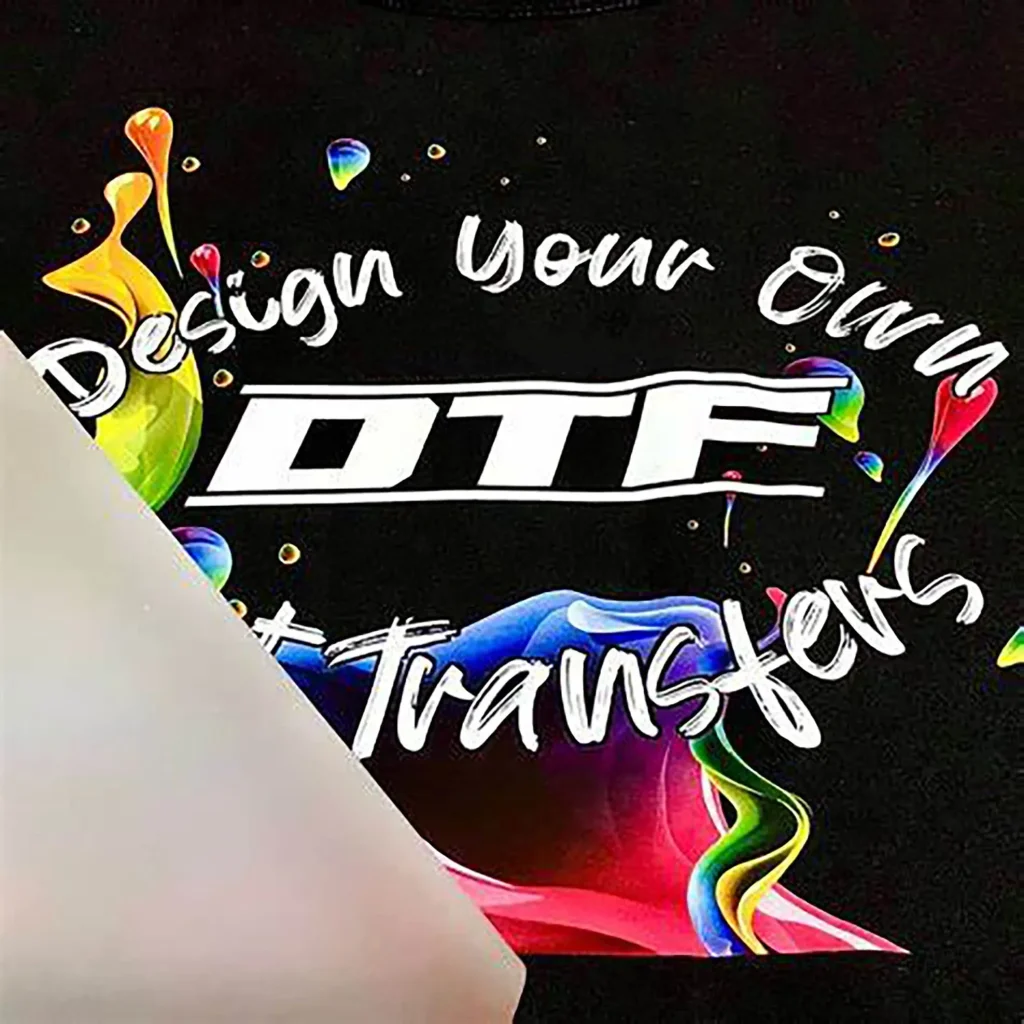
DTF transfers, or Direct-to-Film printing, are rapidly taking the textile printing world by storm. This innovative method not only allows vibrant and intricate designs to be transferred onto a wide variety of fabrics, but it also aligns perfectly with modern sustainability goals. With its water-based inks and reduced waste process, DTF printing is becoming a go-to option for custom apparel businesses seeking eco-friendly solutions. As market demand for personalized textiles increases, the flexibility and efficiency of DTF transfers set it apart from traditional printing methods. Join us as we delve into the exciting potential of DTF in revolutionizing the landscape of textile and custom printing.
When discussing modern textile decoration techniques, terms like Direct-to-Film (DTF) and DTF printing are becoming increasingly prevalent among designers and manufacturers. This cutting-edge approach merges innovation with artistic expression, giving rise to unique textile prints that capture the eye and imagination. Known for its sustainability and efficient printing options, DTF technology is not only meeting consumer demands for personalized products but also setting new standards for eco-conscious production methods. With its ability to print intricate and vibrant designs on a variety of materials, this method represents a significant shift in the way custom apparel is crafted. As we explore this fascinating topic, it’s clear that DTF printing is at the forefront of the textile printing revolution.
The Rise of Direct-to-Film (DTF) Printing in Textile Industries
In recent years, Direct-to-Film (DTF) printing has gained significant traction in the textile industry, emerging as a leading choice for custom apparel production. This innovative printing technique allows designers to create vibrant and intricate designs that can be precisely transferred onto a variety of fabrics. Unlike traditional methods, DTF reduces the complexity of the design process by eliminating the need for multiple screens or setups, making it an attractive option for small businesses that aim to offer customized products without substantial upfront investments.
Furthermore, as sustainability becomes a crucial aspect of consumer choice, DTF printing stands out by using water-based inks that are environmentally friendly. The growing preference for sustainable practices in the textile industry is driving more companies to adopt DTF technology, ensuring that they cater to the eco-conscious consumer while maintaining high-quality outputs in their custom apparel.
Sustainability Benefits of DTF Transfers
DTF printing offers several sustainability advantages that make it a responsible choice in the textile industry. One of the key features is its utilization of water-based inks, which significantly reduce harmful emissions compared to solvent-based counterparts traditionally used in printing. This lower chemical output not only aids in minimizing air pollution but also aligns with the global push towards sustainable manufacturing practices. By employing DTF technology, businesses can operate more environmentally and ethically, appealing to a market that increasingly values green practices.
In addition to the eco-friendliness of inks, DTF’s print-on-demand model minimizes waste, allowing manufacturers to produce textiles based purely on demand rather than maintaining bulky stock inventories. This capability not only reduces unsold merchandise but also enhances the overall efficiency of the production process. As a result, companies can adopt more sustainable operational strategies, further driving the adoption of DTF transfers in the fabric printing sector.
Tech Innovations in DTF Printing Equipment
As the demand for DTF printing continues to rise, technological advancements are paving the way for significant improvements in equipment and materials. The availability of affordable DTF printers has enabled smaller businesses to enter the custom apparel market with less financial risk. Advanced printers equipped with state-of-the-art features are being developed, allowing for increased precision and speed in the printing process, which is crucial for keeping up with consumer demands.
Moreover, the innovation in specialized inks and films has enhanced the overall quality of DTF transfers. Manufacturers are continually investing in research and development to produce better-performing materials that yield richer colors and sharper details. This trend not only improves the final product’s quality but also encourages more designers and brands to explore DTF as their go-to printing solution in the competitive textile market.
Cost-Effectiveness of DTF Transfers for Small Businesses
One of the significant advantages of adopting DTF printing technology is its cost-effectiveness, especially for small businesses. DTF transfers require a lower initial investment compared to traditional screen printing setups, which often involve high production costs due to the need for multiple screens and extensive labor. With the DTF process, businesses can achieve high-quality prints without the hefty financial outlay, allowing them to allocate resources better and focus on creative design development.
Additionally, DTF’s versatility in printing on various materials broadens the scope for small businesses. They can cater to a wide range of products, from custom t-shirts to accessories, with just a single printing system. This flexibility allows businesses to diversify their offerings and respond more effectively to market trends while maintaining a lean operational model. Ultimately, such efficiencies empower entrepreneurs to compete more vigorously in the custom apparel landscape.
Custom Apparel Trends Powered by DTF Technology
The rise of Direct-to-Film (DTF) printing has coincided with growing trends in custom apparel, providing businesses the opportunity to tap into a lucrative market. Consumers today seek personalized and unique clothing options that reflect their individual style and preferences. DTF technology facilitates this demand by allowing brands to create high-quality, customized designs more efficiently than ever before. As the apparel landscape evolves, businesses that leverage DTF transfers are ideally positioned to meet consumer expectations for originality and quality.
Moreover, the DTF process’s ability to produce vibrant colors and intricate designs supports current fashion trends that focus on bold expressions and statements. As lifestyle choices increasingly emphasize personal branding, the role of DTF in providing customization options not only enhances the product offering but also fosters deeper connections between brands and consumers. Thus, companies investing in DTF technology can keep their collections fresh and relevant, staying ahead of market trends.
Future of DTF Printing: Growth and Opportunity
Looking forward, the future of DTF printing appears promising as the sector continues to evolve. Industry analysts predict sustained growth fueled by the increasing demand for personalization in fashion. As more consumers gravitate toward custom apparel, businesses harnessing the potential of DTF technology are likely to grow their market share significantly. Companies that embrace this innovative printing approach will stand out in a crowded marketplace, making significant strides in capturing consumer interest.
Additionally, ongoing advancements in technology and material science will likely enhance the DTF printing process. The continuous development of better inks, films, and printing machinery will contribute to reduced production costs and improved sustainability metrics. Businesses that stay ahead of these trends will not only secure their positions in the market but also play a crucial role in shaping the future of sustainable and innovative textile printing.
Frequently Asked Questions
What are DTF transfers in textile printing?
DTF transfers, or Direct-to-Film transfers, involve printing designs onto a special film using water-based inks. The film is then transferred to fabric using heat and pressure, allowing for high-quality and intricate designs suitable for various textiles.
How does DTF printing differ from traditional textile printing methods?
DTF printing differs from traditional methods like screen printing by allowing for high-resolution graphics without the need for multiple color screens. It also offers faster setup times and versatile applications on different materials, making it a more efficient choice for custom apparel.
What are the sustainability benefits of using DTF transfers in textile printing?
DTF transfers are environmentally friendly due to their use of water-based inks that emit fewer VOCs. Additionally, the print-on-demand capability minimizes waste, and the energy-efficient equipment reduces the carbon footprint in the printing process.
Can DTF printing be used for custom apparel?
Yes, DTF printing is an excellent option for custom apparel. It allows businesses and designers to create vibrant, detailed graphics on various fabrics, catering to consumer demand for personalized products while being cost-effective.
What advancements in technology are impacting DTF transfer printing?
Recent advancements include more affordable DTF printers and improved specialized inks and films. These innovations enhance print quality and make DTF printing accessible to small businesses, driving its adoption in the textile printing industry.
Is DTF printing a cost-effective solution for small businesses?
Absolutely! DTF printing typically requires a lower initial investment compared to traditional screen printing setups. This affordability, combined with the ability to produce small batches, makes it an attractive option for small businesses entering the custom textile market.
| Key Point | Description |
|---|---|
| Definition and Process | DTF transfers involve printing designs on a special film using water-based inks, which are then transferred onto fabric using heat and pressure. |
| Advantages | DTF offers high-quality prints, efficiency by reducing setup time and cost, and versatility across various materials. |
| Sustainability | DTF uses water-based inks, reduces waste through print-on-demand capabilities, and utilizes energy-efficient machines. |
| Market Growth | The DTF sector is growing rapidly, driven by increasing demand for customization, cost-effectiveness, and broader industry adoption. |
| Technological Advancements | New affordable printers and specialized inks are enhancing DTF transfer quality and making it accessible for small businesses. |
Summary
DTF transfers are transforming the textile printing industry, offering unparalleled quality, efficiency, and sustainability. This innovative printing method utilizes water-based inks and allows for intricate designs on various fabrics. As DTF printing technology advances and becomes increasingly popular among businesses, it meets the growing demand for customization and eco-friendly practices. By adopting DTF transfers, companies not only enhance their product offerings but also contribute positively to environmental sustainability, positioning themselves as leaders in the rapidly evolving market.