
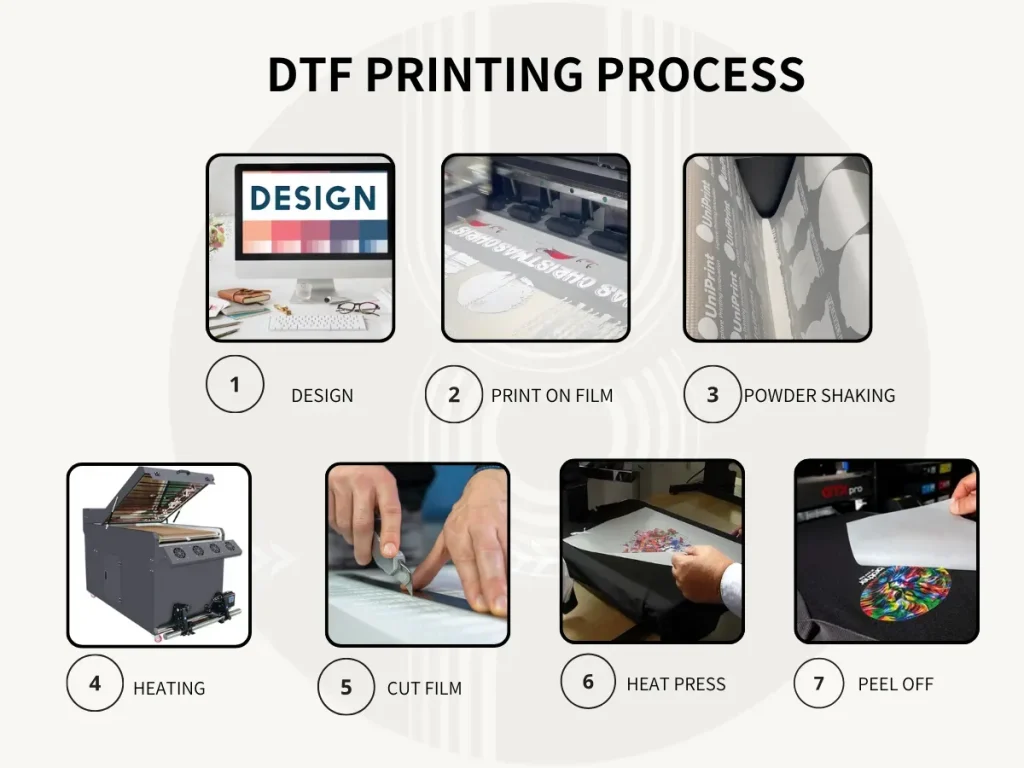
DTF printing has transformed how creators put vibrant, durable designs onto garments. This approach, also known as direct-to-film transfers, offers flexibility across fabrics and color palettes. For beginners, DTF printing for beginners presents a straightforward path to high-quality results with a manageable transfer workflow. The DTF transfer process involves printing on PET film, applying adhesive powder, curing, and transferring the image with heat and pressure. Many hobbyists ask about DTF vs DTG to decide where this technology fits best.
Viewed through the lens of film-to-fabric transfer technology, designers learn to print a design onto a specialized PET film carrier and press it onto textiles using heat. In everyday terms, it’s a print-on-film workflow where a design is laid down on the film, coated with adhesive, and activated on fabric. Other common descriptions for this process include film-based transfers and film-to-fabric workflows, and for those wondering how to start DTF printing, this approach maps cleanly to a scalable setup.
What is DTF Printing? A Beginner’s Overview
DTF printing is a method where designs are printed onto PET film using white ink and CMYK inks, then transferred to fabric using a binder powder and heat. Direct-to-film transfers describe the same process and have become popular due to their versatility and vibrant color. For beginners and hobbyists, DTF printing offers an approachable entry point to full-color designs on a wide range of fabrics, from cotton to blends.
When you explore DTF printing for beginners, you start with digital design, color management, and a simple workflow that moves from film print to heat press. The core idea is straightforward: print on film, apply powder, cure, then transfer with heat, yielding a soft hand feel and durable results. This pathway is often easier to scale than some other transfer methods.
The DTF Transfer Process: From Design to Garment
The DTF transfer process begins with design and color management to ensure your final transfer matches what you see on screen. You print onto PET film using white ink and CMYK, then apply a powdered adhesive to the printed area. This step is followed by curing to fix the powder in place before transfer to fabric.
Next comes the actual transfer: place the powder-coated film on the garment, cover with a silicone sheet, and press with a heat press at the recommended temperature, time, and pressure. Post-transfer finishing and washing instructions help maintain the transfer’s brightness and adhesion over many wears.
DTF Printing for Beginners: Essential Gear and Setup
Getting started with DTF printing requires the right toolkit. A dedicated DTF printer capable of white ink, PET transfer film, adhesive powder, curing equipment, and a reliable heat press are essential for reliable direct-to-film transfers. For beginners, this gear set provides the foundation to practice the full workflow of DTF printing for beginners.
Design workflows, color calibration, and test prints are key parts of the setup. Start with small runs to learn how to manage white underbase, ink density, and powder adhesion, then adjust settings to improve brightness and durability. As you gain confidence, you can expand to more complex designs and multiple fabrics.
DTF vs DTG: Choosing the Right Method for Your Projects
DTF vs DTG comparisons are a common starting point for makers evaluating this technology. DTF offers versatility across a wide range of fabrics and is generally more economical for small batch runs and mixed garments, while DTG excels on 100% cotton with a particularly soft hand feel.
Your choice depends on fabric type, run size, and desired finish. For mixed fabrics or non-cotton blends, DTF transfer processes can streamline production; for a garment line focused on 100% cotton with a premium hand feel, DTG may be the better fit. Understanding these differences helps you plan a practical production strategy.
How to Start DTF Printing: A Practical Roadmap
How to start DTF printing begins with a practical roadmap: learn the basics of direct-to-film transfers, study color management, and plan a small test project. Define your niche, choose a printer capable of white ink, gather a transfer film and adhesive powder, and secure a heat press for consistent results. This approach aligns with the core ideas behind how to start DTF printing.
Next, practice the end-to-end workflow from digital file to finished garment, build a testing protocol, and document wash tests. Start with a few simple designs to measure color accuracy, adhesion, and durability, then scale to more fabrics and designs as you gain confidence and experience.
Troubleshooting and Maintenance for Reliable Direct-to-Film Transfers
Even experienced operators encounter issues with direct-to-film transfers. Common problems include color shifts, dull brightness, white underbase gaps, powder adhesion failures, and uneven transfer adhesion. Each problem points to something in the DTF transfer process that can be adjusted—color management, print calibration, powder amount, or heat settings.
Maintaining equipment and following best practices ensures long-term reliability. Regular cleaning of the printer’s print head, conveyors, and films, along with scheduled calibration checks, helps maintain consistency. Establish a maintenance routine and a simple troubleshooting guide to handle issues quickly and keep your direct-to-film transfers durable and wash-fast.
Frequently Asked Questions
What is DTF printing and how do direct-to-film transfers work?
DTF printing, or direct-to-film transfers, is a process where a design is printed onto a PET film using white ink and color inks, then coated with adhesive powder and cured before being transferred to fabric with heat and pressure. This method enables vibrant full-color designs on a wide range of fabrics. For beginners exploring direct-to-film transfers, the typical workflow is: design, print on film, apply powder, cure, transfer with a heat press, and finish.
DTF transfer process: what are the essential steps for beginners?
The DTF transfer process starts with designing and color management, then printing onto PET film with white and CMYK inks. Next, apply an adhesive powder, cure it, and transfer the design to fabric with a heat press. Finish with any required peeling (cold or warm) and optional post-transfer pressing to ensure durability.
DTF vs DTG: which method should you choose for your projects?
DTF vs DTG: DTF offers broad fabric compatibility, lower cost for small runs, and strong results on blends, while DTG shines on 100% cotton with a very soft hand feel. If you expect mixed fabrics or larger batches, DTF is typically the more flexible option; if your focus is 100% cotton with premium softness, DTG may be preferred.
How to start DTF printing: a practical roadmap for beginners?
How to start DTF printing involves a practical roadmap: learn the basics and watch setup videos, define your niche, acquire essential gear (a DTF printer with white ink, transfer film, adhesive powder, a heat press), practice end-to-end design-to-transfer workflows, run test washes, and scale gradually as you gain confidence.
What are common issues you might face with DTF printing for beginners and how can you fix them?
Common issues include color shifts, weak white underbase, powder adhesion problems, transfer adhesion failures, and wash durability concerns. Fixes involve rechecking color management and calibration, ensuring even white underbase printing, applying and curing powder uniformly, confirming correct heat-press settings for fabrics, and following proper washing guidelines to maintain durability.
What equipment and supplies do I need to begin DTF printing?
Essential gear includes a DTF printer capable of white ink, DTF transfer film, adhesive powder, a curing setup if needed, a reliable heat press, and suitable substrates. You’ll also want maintenance supplies and cleaners, plus a small stock of garments for testing and practice.
| Topic | Key Points |
|---|---|
| What is DTF Printing? | Direct-to-film printing prints designs onto PET film with white and CMYK inks, then coats with transfer powder and cures before transferring to fabric. |
| Key advantages | Versatile across fabrics (cotton, polyester, blends); full-color, detailed images; soft hand feel after transfer; scalable for beginners. |
| The DTF Transfer Process (6 steps) | Design & color management; Printing onto film with white underbase; Powder application; Curing; Transfer with heat/pressure; Post-transfer finishing and wash-care. |
| Equipment & Materials | DTF printer with white ink; PET transfer film; adhesive powder; curing equipment; heat press; substrates and consumables. |
| DTF Printing for Beginners: Design & Color | Color management; White underbase planning; Image resolution; Layering/texture balance; File formats (PNG/TIFF) for compatibility. |
| DTF vs DTG | DTF offers fabric versatility, lower per-piece costs for small runs, and easy production for mixed fabrics; DTG excels on 100% cotton with ultra-soft hand feel but can be sensitive to blends. |
| How to Start DTF Printing: Roadmap | Learn basics; Define niche; Acquire essentials; Practice end-to-end workflow; Build testing protocol; Scale thoughtfully. |
| Troubleshooting & Best Practices | Color shifts: revisit color management; White underbase issues; Powder adhesion; Transfer adhesion; Washing/durability. |
| Maintenance, Costs, and Long-Term Considerations | Regular printer and curing equipment cleaning; Budget for inks, powders, films; Consider bulk purchasing and training. |
| Design & Production Tips for Quality Results | Sharp images with vector or high-res raster; Test on light and dark fabrics; Consider fabric texture and sustainability/safety. |
Summary
DTF printing is a versatile, beginner-friendly path into direct-to-film transfers, offering vibrant results and durable performance. This descriptive conclusion highlights how the transfer process, essential equipment, and practical design tips come together to deliver high-quality results. By understanding the differences between DTF and DTG, and by following a structured roadmap—from selecting the right printer and films to testing, troubleshooting, and maintaining your setup—you can confidently grow a DTF printing practice that suits your fabrics, styles, and business goals.