
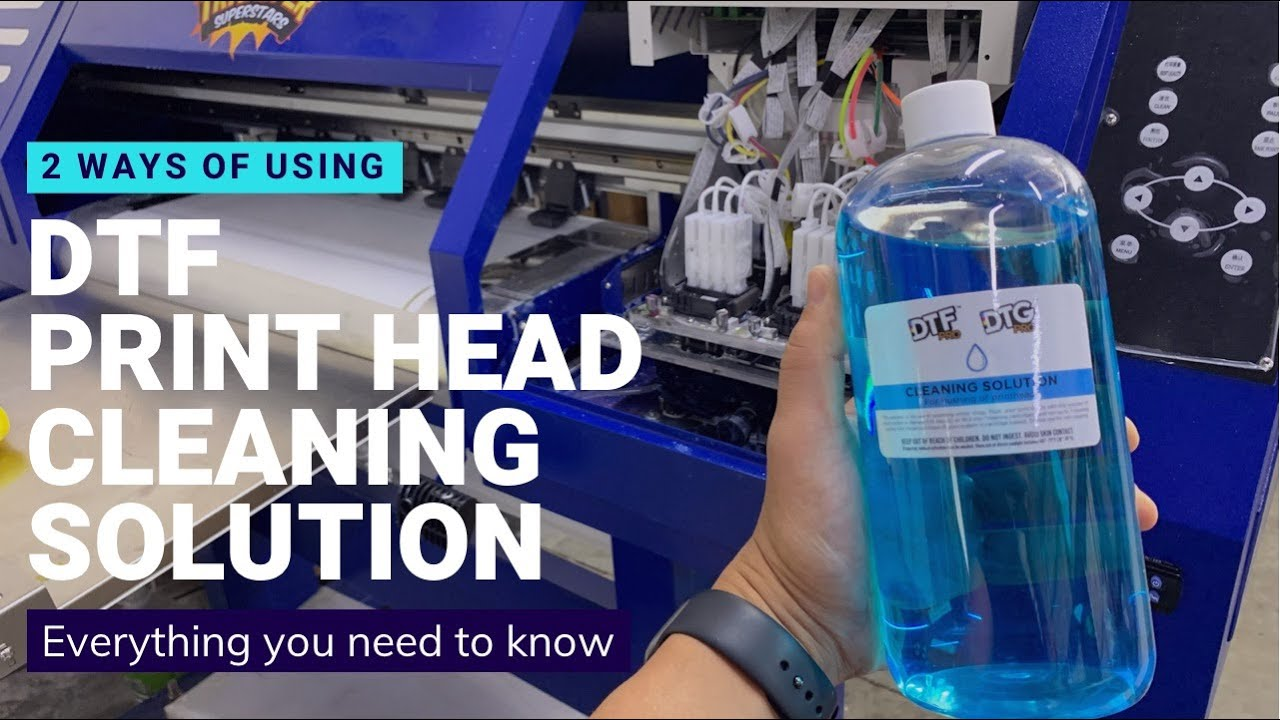
A clean DTF printer is essential for anyone engaged in Direct-to-Film printing, especially for businesses that rely heavily on this technology. Maintaining the cleanliness of your printer not only improves print quality but also extends its longevity, making regular DTF printer maintenance crucial for optimal performance. By implementing effective cleaning practices, you can prevent common issues associated with dirty printers, such as ink clogging and inconsistent prints. This article offers valuable cleaning DTF printers tips to ensure that your equipment operates smoothly and efficiently. Embrace these maintenance strategies to achieve professional-quality results with every print.
When it comes to maintaining printing devices, particularly those utilizing Direct-to-Film technology, keeping your apparatus spotless is paramount. Regular upkeep of your printing machine can significantly enhance its functionality and output quality. Whether you're a seasoned professional or a newcomer to the realm of fabric printing, understanding the importance of printer maintenance guides can help you avoid common pitfalls. In this discussion, we will explore essential practices for cleaning and caring for your DTF devices, ensuring they remain in top shape and continue to produce vibrant, high-resolution images.
The Importance of DTF Printer Maintenance
Maintaining a DTF printer is vital for achieving consistent high-quality results. Regular maintenance not only keeps the printer clean but also addresses wear and tear that can accumulate over time. Neglecting maintenance can lead to more serious issues such as printhead clogs and inconsistent ink flow, which not only impacts the current print job but can also decrease the printer's overall lifespan. By committing to a routine maintenance schedule, users can ensure that their DTF printer continues to function optimally, producing precise and vibrant prints that meet professional standards.
Moreover, adhering to a maintenance routine can significantly reduce the likelihood of costly repairs or replacements in the long run. By inspecting and maintaining various components of the printer, such as the printhead, ink lines, and transfer systems, users can catch potential problems early. This proactive approach not only saves time and money but also extends printer longevity, allowing users to focus on their creative tasks without the worry of unexpected printer downtime.
Tips for Cleaning DTF Printers Effectively
To keep your DTF printer performing at its best, effective cleaning is crucial. A thorough cleaning process should involve gathering the right tools, such as lint-free cloths, a specialized cleaning solution, and cotton swabs for detailed work. Prior to initiating the cleaning process, it is essential to power off and unplug the printer, ensuring safety and preventing damage. Start by cleaning the printhead, as this area is most susceptible to ink buildup. By regularly cleaning the printhead, users can avert issues such as ink clogging, maintaining sharp and vibrant print quality.
In addition to cleaning the most crucial parts, don't forget to wipe down the exterior and interior surfaces of the printer to eliminate dust and debris. This minor step not only enhances the overall appearance of the printer but also prevents contaminants from infiltrating the printing mechanism. Regular maintenance of the ink lines is also essential, as built-up ink can create blockages that affect the quality of prints. Establishing and sticking to a regular cleaning schedule ensures that your DTF printer remains in peak condition.
Understanding DTF Printing Technology
DTF printing technology has revolutionized the world of fabric printing, allowing for high-quality designs to be transferred onto various substrates with ease. The process involves printing graphics on a special DTF transfer film followed by the application of an adhesive powder. This film is then heat pressed onto the material, creating vibrant and durable prints. Understanding the intricacies of this process is key for users who want to optimize their DTF printer’s performance.
By comprehending the mechanics behind DTF printing, users can address potential issues effectively and maintain the printer better. For instance, recognizing that poor adhesion can stem from dirty printheads or incorrect environmental conditions helps users take proactive measures to ensure high-quality results. A thorough understanding of DTF printing components lays the foundation for successful maintenance practices, allowing businesses to achieve excellent product output consistently.
Key Techniques for Enhancing Printer Longevity
Enhancing the longevity of your DTF printer requires a blend of proper maintenance techniques and mindful operational practices. By routinely inspecting the printer for signs of wear, users can catch small problems before they escalate into costly repairs. Components such as the printhead and ink lines should be monitored closely for signs of fatigue, ensuring that every aspect of the printer is functioning correctly. This preventative maintenance can save time and resources in the long run.
Additionally, using high-quality inks and transfer films plays an essential role in preserving printer performance. When inferior materials are utilized, they can lead to frequent clogging and decreased print quality that directly affects customer satisfaction. Following manufacturer guidelines and storing materials in appropriate environmental conditions also impacts printer performance and longevity, reducing the likelihood of issues caused by humidity or dust exposure.
The DIY Cleaning and Maintenance Guide
A thorough DIY cleaning and maintenance guide for your DTF printer can empower users to take control of their printing equipment's care. By implementing simple steps such as using lint-free cloths, appropriate cleaning solutions, and regularly scheduled cleanings, users can maintain their printers without requiring professional assistance. This knowledge can result in significant cost savings while ensuring that the printer operates at peak performance.
Furthermore, documenting a personalized maintenance schedule can help users track their cleaning habits and adjust as necessary based on printing volume and environmental conditions. Each printer may have specific cleaning needs, and understanding these requirements through a DIY approach enables users to maximize the benefits of their DTF printer. Ultimately, empowering users with the tools and knowledge to maintain their own printers can lead to enhanced longevity and print quality.
Troubleshooting Common DTF Printer Issues
Even with diligent care, DTF printers can encounter various issues that hinder performance. Common problems may include print quality degradation, ink clogging, and adhesion difficulties. Identifying these issues requires a solid understanding of the printer's functions and regular maintenance history. Being proactive in addressing these problems not only aids in maintaining quality but can also lead to smoother operational flow.
When troubleshooting common issues, reviewing the maintenance guide and adhering to cleaning schedules can often resolve the concerns quickly. For instance, if a user notices dull printing colors, checking for clogs in the printhead or ink lines might lead to a quick fix rather than a costly repair. By empowering users to handle such problems effectively, they can maintain high output quality while maximizing the lifespan of their DTF printers.
Frequently Asked Questions
How often should I perform cleaning on my DTF printer?
Regular cleaning is essential for maintaining optimal performance in your DTF printer. It's recommended to clean your DTF printer weekly if used daily, and at least monthly for occasional users. Establishing a consistent cleaning routine will prevent issues such as ink clogging and extend printer longevity.
What tools do I need for cleaning my DTF printer?
To effectively clean your DTF printer, gather these essential tools: lint-free cloths, a cleaning solution designed for DTF printers, cotton swabs for hard-to-reach areas, and a vacuum cleaner to remove dust. Using the right materials will ensure thorough cleaning and maintenance.
Can cleaning my DTF printer improve print quality?
Yes, cleaning your DTF printer significantly enhances print quality. A clean printer produces sharper and more vibrant images, reducing the risk of issues like clogged printheads which can adversely affect the quality of your DTF prints.
What are common signs that my DTF printer needs cleaning?
If you notice issues such as streaky prints, color inconsistencies, or frequent ink clogging, it's a clear indication that your DTF printer needs cleaning. Regular maintenance and attention to these signs can prevent further complications.
How does regular maintenance affect my DTF printer's longevity?
Routine maintenance, including regular cleaning and inspection for wear and tear, is crucial for prolonging the life of your DTF printer. By addressing small issues early and maintaining proper care, you can avoid costly repairs and ensure consistent performance.
What should I consider when choosing cleaning materials for my DTF printer?
When selecting cleaning materials for your DTF printer, ensure you choose high-quality, specialized cleaning solutions that are safe for your printer model. Avoid using harsh chemicals that could damage sensitive components, as proper cleaning materials promote better maintenance and extend the printer’s life.
| Key Points | ||||
|---|---|---|---|---|
| Introduction to DTF Printing | Understanding the DTF Printing Technology | Importance of Regular Cleaning | Step-by-Step Cleaning Guide | Routine Maintenance Tips |
Summary
A clean DTF printer is essential for achieving high-quality prints and prolonging the machine's lifespan. Regular cleaning and maintenance not only prevent common issues such as ink clogging and printhead damage, but they also enhance the overall print quality. By following systematic cleaning routines and adhering to manufacturer guidelines, users can keep their DTF printers functioning optimally, ensuring consistent and vibrant results for their creative projects. Emphasizing a proactive approach to printer care will ultimately save time, reduce costs, and enhance productivity.