
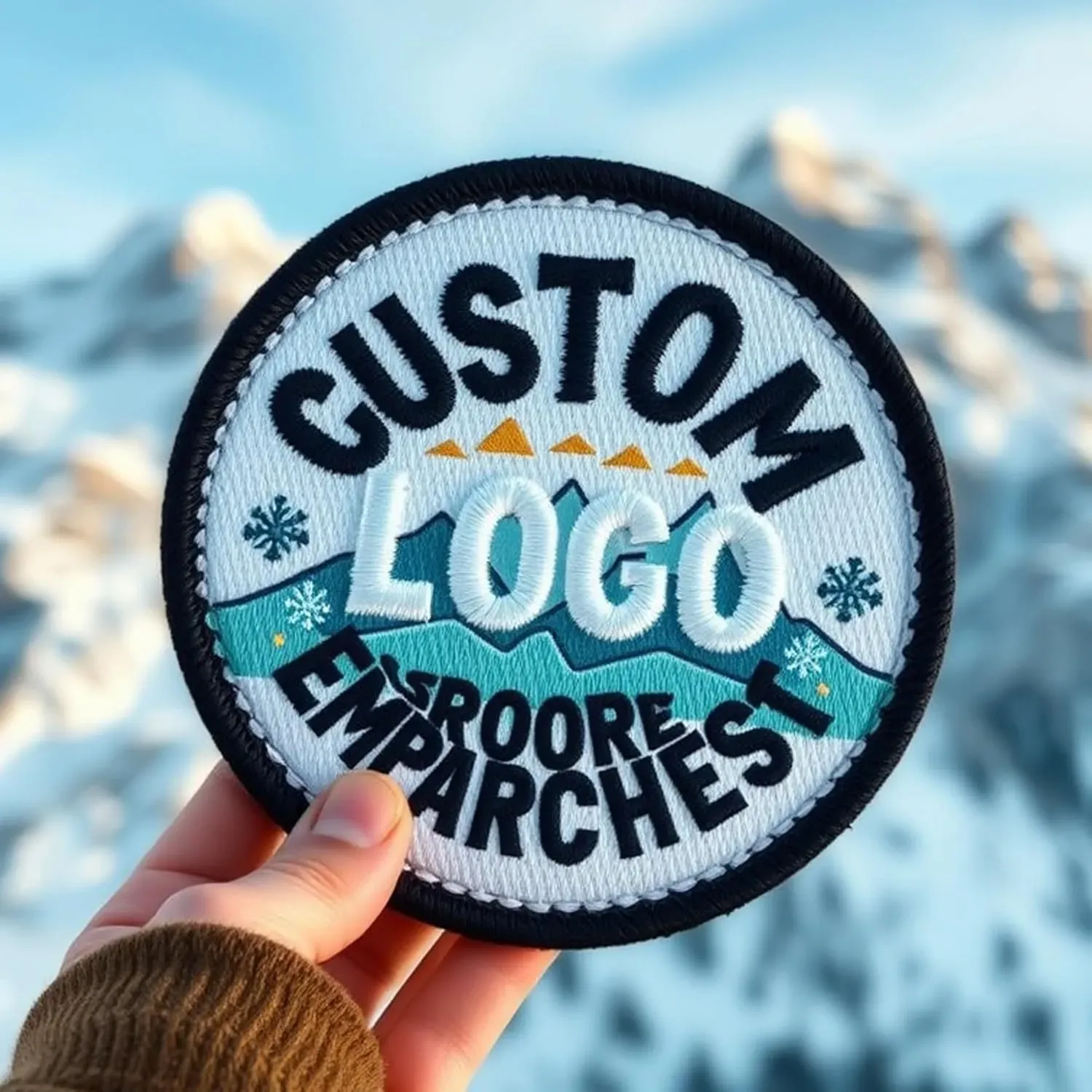
Custom Embroidered Patches for Clothing have become a defining way to express personal style, team pride, and brand identity, turning ordinary garments into durable, conversation-starting accessories. As designers and buyers weigh durability, embroidered patches longevity hinges on material quality, stitch density, and how well the patch is attached. Choosing durable patches backing and robust thread ensures stability, while best practices embroidered patches guide you toward consistent color, edge sealing, and wash resistance. Careful decisions about patch care and laundering, plus clear guidance on iron-on vs sew-on patches, help maintain adhesion and appearance after many cycles. By prioritizing quality materials, thoughtful backing, and proper application, you can enjoy patches that look sharp today and remain loyal companions for years to come.
1. Custom Embroidered Patches for Clothing: Longevity Through Materials and Design
Longevity starts at the source: choosing high-quality materials and thoughtful embroidery design. For Custom Embroidered Patches for Clothing, premium polyester or rayon threads deliver better colorfastness and resistance to fading than cheaper options, especially when those patches spend time outdoors or are repeatedly laundered. Using UV-stable threads helps maintain vivid cores and crisp outlines, while a sturdy patch fabric supports dense stitching without fraying. A dense satin or fill stitch, when well designed, creates a robust patch that stands up to snagging and heavy wear over years.
Beyond the threads, stitch density and edge finishing play a critical role in embroidered patches longevity. Finding the right stitch count per inch (SPI) ensures the patch looks rich without adding bulk that can crack or loosen after multiple washes. Around the edge, a clean, sealing stitch reduces fraying during laundering and wear, contributing to the overall durability and visual integrity of the patch over time.
2. Backing and Stabilizers: The Secret to Durable Patches Backing
Backing and stabilizers underpin patch performance, especially on lightweight or stretchy fabrics. Tear-away backings are convenient for delicate fabrics but may leave residue if not removed carefully. Cut-away backings provide more stability on knit or stretch fabrics, reducing distortion after washing. Fusible backings offer a clean finish and added stability, but they require careful application to avoid stiffness or heat damage.
Choosing the right backing is about more than feel—it affects wash durability and edge integrity. A properly bonded backing helps the patch maintain its shape, prevents edge curling, and lowers the risk of threads unraveling during laundering. When backing aligns with the patch contour and garment fabric, you’ll see fewer distortions after repeated washing, contributing to longer-lasting patches overall.
3. Iron-On vs Sew-On Patches: A Practical Guide to Longevity
Attachment method is a major determinant of how long a patch lasts in real-world use. Sew-on patches, which are stitched through the garment, generally offer superior long-term durability for heavy wear, sport uniforms, and workwear where friction is high. Iron-on patches are convenient and fast, but their longevity depends on heat transfer quality and adherence during laundering. Poor adhesion or repeated washing can cause these patches to loosen over time.
For longevity, align the method with the garment’s use-case. If you anticipate frequent washing or hard wear, consider sew-on patches or reinforced backing with a cross-stitch around the edge for added security. When using iron-on patches, always follow the manufacturer’s heat guidelines and test on a spare fabric patch first. In some cases, a small amount of fabric glue along the edges (applied precisely) can help secure the patch without compromising flexibility.
4. Placement, Fabric Compatibility, and Care for Long-Lasting Patches
Patch longevity is highly influenced by where the patch sits on the garment. Areas that experience a lot of friction, bending, or frequent washing—such as shoulders, elbows, or chest panels—are more prone to wear. Pre-washing fabrics before applying patches removes finishes that might interfere with adhesion or stitching, improving both initial bond and long-term performance.
Fabric type also matters. Natural fibers like cotton usually tolerate stitching and backing with less distortion, while delicate synthetics may require lighter stitching and gentler heat. Proper alignment and stabilization during application help maintain a clean edge and prevent premature curling. In short, match patch placement to movement patterns and fabric characteristics to maximize longevity.
5. Best Practices for Applying and Maintaining Custom Embroidered Patches for Clothing
Implementing best practices embroidered patches techniques is essential for durability. Start with pre-washed fabrics, use stabilizers on the garment’s wrong side to reduce movement during sewing, and choose a secure stitch pattern—such as tight satin or zigzag edges—for sew-on patches. For iron-on patches, test on a scrap area and adhere to temperature and duration guidelines to preserve both the patch and garment.
Maintenance is ongoing. Regular inspection for frayed edges, loose threads, or backing detachment helps you decide whether a patch should be repaired or replaced. Establish a replacement cycle based on wash frequency and use-case, especially for team uniforms or branded apparel. Keeping patches clean according to patch care and laundering guidelines and cleaning them with gentle cycles preserves color and adhesion, ensuring your patches stay vibrant, secure, and functional for years.
Frequently Asked Questions
How long can Custom Embroidered Patches for Clothing last, and what factors influence embroidered patches longevity?
Custom Embroidered Patches for Clothing longevity depends on material quality, stitch design, backing, attachment method, and care. High-quality threads (UV-stable), dense satin or fill stitches, and sturdy patch fabric help colors stay vibrant and edges stay secure after many washes. Choosing the right combination for your garment type dramatically extends life.
What are the best practices embroidered patches to maximize life for Custom Embroidered Patches for Clothing?
Best practices embroidered patches include high-density stitching with clean edge finishing, robust backing, and an attachment method suited to the garment. For high-use items, sew-on patches with tight satin or zigzag edges often outlast iron-on options. Always test on a sample fabric and follow care guidelines to preserve patch integrity.
How does the backing influence durable patches backing and patch longevity on Custom Embroidered Patches for Clothing?
Backing type significantly affects durability. Tear-away, cut-away, and fusible backings each offer different stability and wash resistance. A properly bonded backing helps maintain patch shape, prevents edge curling, and reduces fraying during laundering, improving the overall lifespan.
What are the patch care and laundering steps to keep Custom Embroidered Patches for Clothing looking vibrant?
Patch care and laundering should be gentle: wash in cold or warm water with mild detergent, avoid harsh bleach, and turn garments inside out. Air-dry when possible; if using a dryer, choose low heat. For iron-on patches, avoid overheating and follow the manufacturer’s heat guidelines to prevent glue damage.
Iron-on vs sew-on patches: which option is better for Custom Embroidered Patches for Clothing longevity and everyday wear?
Sew-on patches generally last longer under heavy use because they are stitched through the garment. Iron-on patches can be convenient but may loosen with heat or frequent washing if the transfer quality is not strong. For maximum longevity, especially on uniforms or active gear, opt for sew-on or add reinforcing backing and follow proper laundering practices.
| Topic | Key Points |
|---|---|
| Longevity drivers | Longevity equals durability, colorfastness, and resilience to washing, drying, and wear. Key factors include material quality, stitch design, backing/attachment methods, fabric compatibility, and care practices to keep patches vibrant and detailed over time. |
| Patch materials and thread quality | Use high-quality polyester or rayon threads for colorfastness; prefer UV-stable threads for outdoor wear; patch fabric should be sturdy; dense satin or fill stitches enhance durability and reduce snagging. |
| Thread density and stitch types | Balanced stitch density (SPI) avoids bulk and potential cracking. Too-tight stitches cause puckering; too-few stitches lead to fraying. Aim for clean silhouette with durable edge sealing. |
| Backing options and stabilizers | Tear-away, cut-away, and fusible backings affect stability and wash durability. Choose backing to suit fabric type and laundering needs; ensure secure bonding and alignment to prevent edge curling. |
| Attachment methods | Sew-on patches tend to last longer under heavy use; iron-on patches can loosen with heat or washing. Consider reinforced backing or combined methods for active wear; follow heat guidelines for iron-ons. |
| Placement and garment compatibility | Place patches away from high-friction areas; pre-wash garments; ensure fabric compatibility (natural fibers tolerate stitching better; delicate synthetics may need lighter stitching). |
| Stitch design and edge quality | A tight satin border and well-balanced fill stitch reduce fraying and curling. Balance stitch density to maintain edge integrity after washing. |
| Care and laundering | Wash cold to warm, use mild detergent, turn garments inside out, air-dry or use low heat. Avoid high heat and follow patch-specific heat guidelines for iron-on or heat-seal backings. |
| Practical tips for applying and maintaining | Pre-wash garments; use stabilizers; sew edges with tight stitches; test iron-on settings on scrap fabric; press edges to secure bonds. |
| Common issues and fixes | Edge curling, fraying, and lifting can be addressed with stronger edge stitching, higher-density thread paths, or resewing. Inspect patches regularly for wear. |
| Maintenance and replacement | Regularly inspect for wear and detachment; plan replacement cycles based on usage and wash frequency, especially for team uniforms or branded apparel. |
| Quality considerations for buyers/creators | Look for high-density stitching, durable materials, secure backing, and clear edge finishing. Request a sample patch to test wash durability, adhesion, and colorfastness. |
Summary
Conclusion: Custom Embroidered Patches for Clothing offer a stylish and durable way to express identity, team spirit, or brand values. Longevity comes from a thoughtful combination of materials, backing, stitch design, attachment methods, and care practices. By investing in quality threads, robust backing, and appropriate application techniques, you can create patches that look great today and continue to perform for years to come. Whether you’re designing patches for a school, a sports team, or a fashion line, prioritizing durability and care will help ensure your patches remain vibrant, securely attached, and beloved long after they’re first worn.