
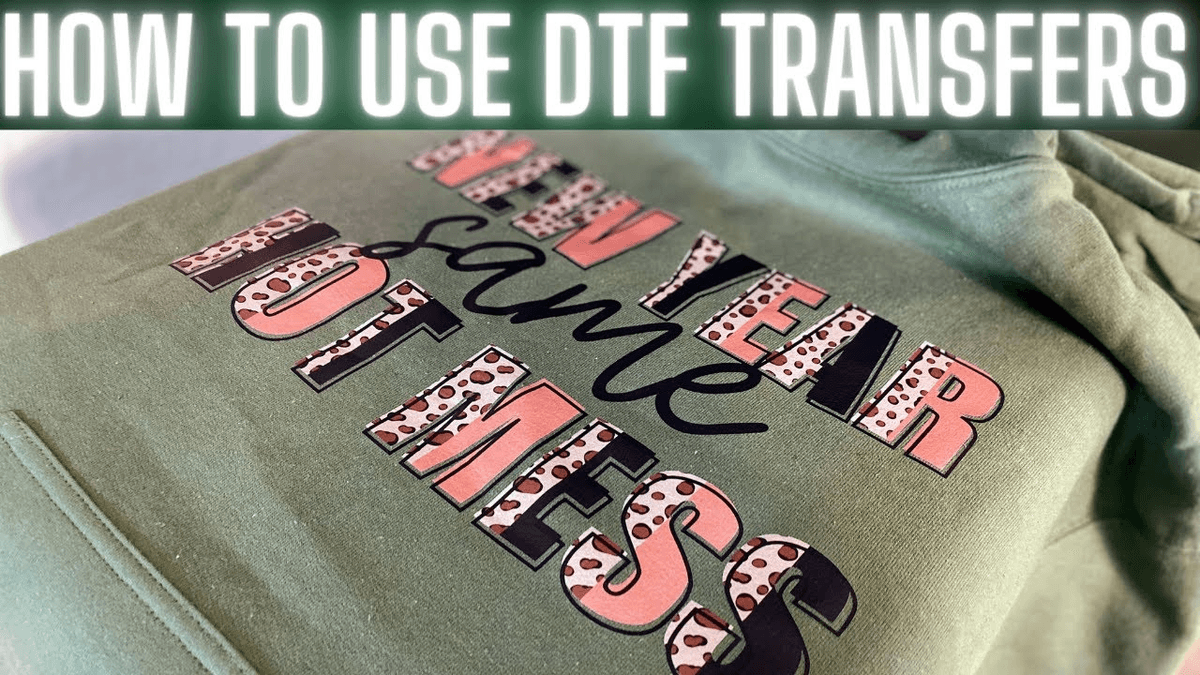
DIY DTF transfers have revolutionized the crafting landscape, allowing enthusiasts to easily create impressive designs on various fabrics. In this article, we will explore how to make DTF transfers with a step-by-step guide that is perfect for both beginners and experienced crafters. By understanding the DTF printing process and mastering essential heat press techniques, you can achieve vibrant and durable results that rival professional printing. Whether you're looking to enhance your wardrobe with custom t-shirts or develop unique DIY textile transfers for gifts, the possibilities are endless. Get ready to dive into the world of crafting with DTF and unleash your creativity!
Exploring the realm of DIY fabric transfers opens up exciting opportunities for crafters of all levels. Often referred to as direct-to-film designs, these innovative methods enable the application of intricate graphics onto numerous material types. Enthusiasts can enjoy the flexibility of transferring detailed images while ensuring long-lasting quality through effective heat application techniques. This guide aims to demystify the process behind crafting textile imprints, empowering you to create custom projects that reflect your personal style. Join us as we delve into the fascinating journey of artistic expression through DIY DTF creations!
Understanding the DTF Printing Process
DTF (Direct to Film) printing is a revolutionary method that allows crafters to transfer intricate designs onto fabric with remarkable ease. This process begins with printing the design onto a special film using a compatible printer. Unlike traditional methods that only support certain types of fabrics, DTF transfers are versatile and can adhere to a variety of materials including cotton, polyester, and blends. This flexibility enables creators to explore an expansive range of design possibilities and product applications.
One of the standout features of the DTF printing process is its ability to produce vibrant colors and detailed images that remain intact even after multiple washes. The technology combines advanced printing techniques with specially formulated inks and adhesives, offering high-quality results every time. Understanding the nuances of DTF printing is essential for anyone looking to elevate their crafting skills, making it a perfect choice for both beginners and seasoned artists.
Essential Materials for DIY DTF Transfers
Creating DIY DTF transfers requires specific materials to achieve the best results. First and foremost, a suitable printer is essential; you can either invest in a dedicated DTF printer or convert an existing inkjet printer to use DTF inks. The quality of your printer can significantly affect the clarity of your designs, so opting for quality is vital. Additionally, using the right transfer film designed for DTF is critical as it affects how well the design adheres to the fabric during the heat application.
Apart from the printer and film, good-quality adhesive powder plays a crucial role in the adhesion process. It must be applied when the ink is still wet on the film, allowing it to stick properly during heat transfer. Finally, a reliable heat press is necessary for even heat distribution, achieving consistent results every time. By carefully selecting these materials, you set the foundation for creating stunning DIY DTF transfers that will impress anyone who sees them.
Step-by-Step Guide to Creating DTF Transfers
To successfully make DIY DTF transfers, it's critical to follow a systematic approach. Start by designing your artwork using graphic design software, ensuring the design has a transparent background to facilitate the weeding process later on. Once your design is ready, print it onto the DTF transfer film, making sure to flip the image so it appears mirrored. This step is crucial as it ensures that the design will appear correctly when it transfers to the fabric.
After printing, the next step involves applying the adhesive powder while the ink is still wet, which is fundamental for a successful transfer. Once the powder is adhered to the design, you then apply heat using a heat press. This process not only solidifies the adhesive but also prepares the design for an enduring bond with the fabric. By strictly adhering to these steps, you ensure the quality and longevity of your DIY DTF transfers.
Expert Tips for Successful DTF Transfers
Achieving stunning DIY DTF transfers requires attention to detail, and there are several expert tips that can enhance your crafting experience. First, always select high-quality fabric for your transfers; materials like cotton and polyester blends provide the best adhesion and durability. Testing your designs and heat settings on scrap fabric is also vital, allowing you to fine-tune the process before committing to your final project.
Another important tip is to store your DTF transfer materials properly. Keep adhesive powders and transfer films in a cool, dry place to maintain their effectiveness. Additionally, be open to experimenting with different applications for your transfers. Beyond clothing, try applying your DTF designs to tote bags, home decor items, or hats, broadening the scope of your creative projects and adding uniqueness to each item.
Creative Applications of DTF Transfers
The versatility of DTF transfers opens up a world of creative applications for crafters. Beyond simple t-shirt designs, you can customize a wide range of textile products, including tote bags, pillowcases, or hats, giving everyday items a personal touch. The unique ability to print detailed images and vibrant colors on various materials allows for significant creative expansion, encouraging artists to think beyond traditional applications.
Moreover, DTF transfers can also be an exciting opportunity for small business ventures. If you’re an entrepreneur at heart, consider using the DTF process to create unique merchandise, promotional items, or personalized gifts. The ease of production combined with high-quality outcomes makes this printing method an attractive option for generating income while sharing your artistic vision with the world.
Troubleshooting Common DTF Transfer Issues
Despite the relatively straightforward process, DIY DTF transfers can sometimes present challenges. Common issues include poor adhesion of the transfer or peeling designs after washing. To mitigate these problems, ensure that your heat press settings are optimal for the materials you’re working with. Consistently applying enough pressure and maintaining the correct temperature are crucial factors in achieving durable transfers that withstand wear and washing.
Additionally, if you encounter issues with colors not appearing as vibrant as anticipated, check that you are using the correct DTF inks, as incompatible inks can affect the overall quality of your designs. Perform test prints on scrap fabric to troubleshoot and adjust your technique, ensuring that every project meets your standards. Being prepared for these common issues can save time and materials, leading to more successful crafting outcomes.
Frequently Asked Questions
What materials are essential for making DIY DTF transfers?
To create DIY DTF transfers, you'll need a DTF printer (or converted inkjet), transfer film, adhesive powder, a heat press, weeding tools, and fabric for your designs. These items are crucial for ensuring high-quality DTF prints.
How does the DTF printing process work?
The DTF printing process involves printing a design onto a specialized film using DTF ink. After applying adhesive powder, the transfer is heat-pressed onto your chosen fabric. This method allows for vibrant, durable designs on a variety of materials.
What are some heat press techniques for effective DIY DTF transfers?
Effective heat press techniques for DIY DTF transfers include preheating your fabric, applying moderate pressure (30-40 psi), and ensuring even heat distribution using a Teflon sheet. Keep the press at approximately 160°C (320°F) for about 15-20 seconds for optimal results.
How do I ensure the best results with my DIY textile transfers?
To achieve the best results with DIY textile transfers, choose high-quality fabrics like cotton or polyester blends. Also, perform test prints on scrap materials to determine optimal heat press settings for your specific setup.
Can I use normal ink for DIY DTF transfers?
No, for DIY DTF transfers, you must use DTF-specific ink, as it ensures vibrant colors and proper adhesion to the transfer film. Standard inkjet ink will not yield the desired results.
What creative projects can I use DIY DTF transfers for?
DIY DTF transfers can be used for various projects, including customizing clothing, tote bags, home décor items, and even accessories like hats. This versatility allows crafters to expand their creative endeavors significantly.
| Key Points | Details |
|---|---|
| Introduction to DIY DTF Transfers | DIY DTF transfers allow for easy and affordable fabric design creation. |
| What are DTF Transfers? | Involves printing designs onto transfer film for application on various fabrics. |
| Materials Needed | Printer, Transfer Film, Adhesive Powder, Heat Press, Weeding Tools, Fabric. |
| Step 1: Design Your Artwork | Create your design using software, ensuring it has a transparent background. |
| Step 2: Print Your Design | Load and print on DTF film in reverse; test print if necessary. |
| Step 3: Apply Adhesive Powder | Sprinkle adhesive powder while the ink is wet, then cure with heat press. |
| Step 4: Cool and Cut | Cool completely before trimming the transfer edges. |
| Step 5: Preparation for Transfer | Pre-press fabric to ensure moisture and wrinkles are removed. |
| Step 6: Heat Press the Transfer | Press at 160°C (320°F) for 15-20 seconds with moderate pressure. |
| Step 7: Final Press | Optional final heat press for added durability. |
| Tips for Success | Choose quality fabrics, do test runs, and store materials properly. |
Summary
DIY DTF transfers represent an exciting frontier in fabric design that enables enthusiasts to create unique and vivid designs with ease. By gathering the necessary materials and following the step-by-step guide, crafters can achieve professional results at home. The versatility of DTF transfers allows for endless creativity, whether on apparel or various textile projects. Engaging in DIY DTF transfers not only enhances crafting skills but also allows for personal expression and customization, making it a rewarding venture for any crafting enthusiast.