
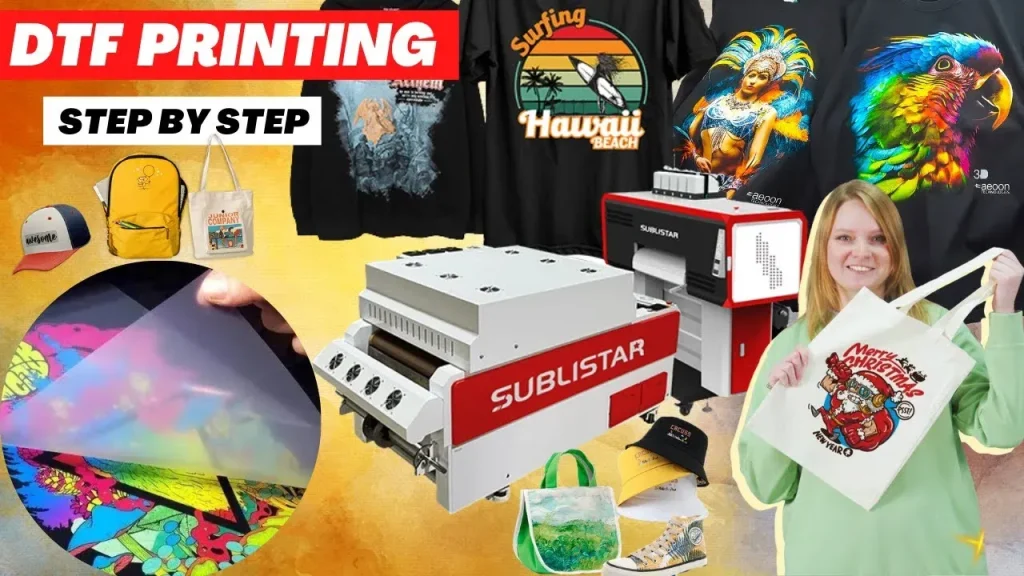
DTF Direct-to-Film has revolutionized apparel customization by turning digital designs into durable, vibrant prints across a wide range of fabrics. In that realm, DTF printing refers to the process of laying down ink on a translucent film, building opacity with white ink to ensure bright results on dark garments. The workflow mirrors the direct-to-film approach: print on film, powder-coat, cure, and press to transfer the design onto fabric with strong adhesion. With a clear path from concept to garment, you can evaluate whether this technology fits your needs, whether for a small shop or a hobby project. This guide blends practical gear recommendations, setup tips, and real-world workflows to help you start producing high-quality, long-lasting prints.
In this second paragraph, we explore the concept using alternative terms that readers and search engines recognize as related ideas, such as film-based transfer technology and digital-to-film workflows. This approach relies on a specialized ink-on-film method where a white underbase and color layers are applied to a coated film before heat pressing onto textiles. The process emphasizes an adhesive powder, a curing step, and precise temperature and time controls to ensure durability across cotton, blends, and synthetics. How you set up the equipment, manage color, and choose compatible garments matters just as much as the design itself.
DTF Direct-to-Film: What It Is and Why It Matters
DTF Direct-to-Film is a digital-to-film process that prints artwork onto a translucent film using specialized inks, including white ink to build opacity on dark fabrics. The printed film is then coated with adhesive powder and heat pressed to the garment, creating a durable, flexible transfer that bridges your artwork file and a finished garment. This approach is a form of DTF printing that emphasizes the fluid workflow and color range made possible by direct-to-film technology.
Understanding DTF Direct-to-Film helps you evaluate whether this path fits your needs, including fabric compatibility, turnaround times, and the balance between color vibrancy and the feel of the final print. In short, it’s the bridge between your digital design and a high-quality garment, combining the versatility of direct-to-film with the control of modern RIP workflows and color management.
Essential Equipment for DTF Printing: Printer Setup, Films, and Heat Press
A solid DTF printer setup starts with selecting a printer capable of white ink and full-color output, compatible DTF inks and films, a reliable heat press, and a proper powder system. The right combination ensures clean prints and predictable adhesion across fabrics, whether you’re printing on cotton, blends, or synthetics.
Maintenance, RIP software, color management, and environmental controls complete the workflow. Regular nozzle checks, thorough cleaning, and proper stock management help you maintain a consistent DTF printer setup and minimize downtime, enabling steady throughput for small runs or on-demand orders.
Mastering DTF Inks and Films: Colors, Opacity, and Film Selection
DTF inks and films determine opacity, color brightness, and transfer reliability. White ink provides the essential opacity on dark fabrics, while the coating on the PET film affects ink adhesion and release from the garment. Choosing the right film thickness and release properties is key to achieving sharp detail and durable results.
Effective color management with ICC profiles and careful film selection helps you reproduce skin tones, reds, and blacks consistently across fabrics. Regular maintenance of inks and films prevents color shifts and keeps your DTF printing results stable, ensuring predictable outcomes from one order to the next.
Step-by-Step DTF Workflow: From Design to Finished Garment
From concept to garment, a typical DTF workflow includes preparing your artwork, printing on DTF film, powder coating, curing, trimming, and transferring with a heat press. Each stage influences final color density, adhesion, and the tactile feel of the print on fabric.
Prepress checks, garment alignment, and post-press finishing ensure durability and consistent results. Tracking RIP settings and conducting test prints builds a repeatable process that scales from prototypes to small-batch productions.
DTF Transfers vs Other Methods: Choosing the Right Path for Your Fabric and Runs
DTF transfers offer flexibility for small runs and multi-fabric lines, standing out when compared to direct-to-garment printing, screen printing, or sublimation. The direct-to-film approach supports cotton blends and synthetics with a versatile transfer film and powder chemistry that can handle varied garment types.
Choosing the right method depends on fabric, order size, and the desired hand feel. DTG may feel softer on 100% cotton, screen printing shines in large run consistency, and sublimation works best on polyester. Direct-to-film provides a balanced option for diverse product lines and on-demand production.
Troubleshooting and Quality Control in DTF Printing: Common Issues and Fixes
Common DTF problems include color banding, misregistration, white ink buildup, and powder clumps that hinder wash fastness. Environmental factors such as temperature and humidity can affect ink drying, adhesive performance, and film release.
Troubleshooting involves running test prints on representative fabrics, performing regular maintenance, and meticulously documenting parameters (temperature, time, pressure). A disciplined QA process reduces reprints and improves transfer durability, ensuring consistency across orders and fabric types.
Frequently Asked Questions
What is DTF Direct-to-Film and how does DTF printing work for beginners?
DTF Direct-to-Film is a digital-to-film process where designs are printed onto a translucent film using white ink to build opacity, followed by color inks. The film is dusted with adhesive powder, cured, and pressed onto fabric with a heat press, producing durable transfers. DTF printing offers vibrant colors on many fabrics with a relatively straightforward workflow.
How should I prepare artwork for DTF printing to ensure accurate color with DTF inks and films?
Start with a high-resolution file and color-managed workflow. Convert artwork to the target ICC profile, include bleed if needed, and separate layers for white underbase. Use DTF inks and films designed for your printer to ensure clean whites and accurate color overlays, then print, cure, and prepare for transfer.
What are the essential steps in DTF printer setup to achieve precise DTF transfers?
Begin with printer calibration and proper white-ink management, then set up ICC profiles for your inks and film. Check nozzle health, maintain film tension, and verify color accuracy with test prints. For DTF transfers, follow recommended time, temperature, and pressure for your transfer material.
How do DTF inks and films influence color vibrancy and opacity across fabrics?
The white ink base provides opacity on dark fabrics, while the colored inks deliver vibrant hues. The film coating and release properties affect color fidelity and transfer reliability. Choosing compatible DTF inks and films for your printer and fabric type improves vibrancy and consistency across cotton, blends, and synthetics.
What are common issues in DTF transfers and how can I troubleshoot?
Common issues include dull colors, misregistration, white ink printing problems, and uneven adhesion. Troubleshoot by checking nozzle health, ensuring proper curing of the adhesive powder, verifying powder coverage, and adjusting transfer settings (temperature, time, pressure) for your fabric.
Is DTF Direct-to-Film suitable for small runs or on-demand apparel?
Yes. DTF Direct-to-Film is well-suited for small runs and on-demand orders due to its digital workflow, quick design changes, and no need for screens. It offers low setup costs per design and fast turnarounds, making it ideal for individualized or limited-edition runs.
| Topic | Key Points |
|---|---|
| What is DTF Direct-to-Film? | Printing onto a translucent film with white ink; adhesive powder; heat pressing to create durable transfers; versatile fabric compatibility. |
| DTF Printing Process | Design prep; print on film; apply adhesive powder; cure; transfer with heat; peel to finish. |
| Equipment & Supplies | DTF printer with white ink; DTF inks and PET film; transfer powder; heat press; RIP software; color management. |
| Inks & Films | Opaque white ink to build opacity; color inks for design; coated films for ink adhesion and release; powder adhesion chemistry matters. |
| Workflow | Artwork prep; printing on film; powder coating; curing; trimming; transferring; peeling; optional post-press cure. |
| Maintenance & Quality | Regular cleaning, ink management, powder handling, environmental controls, nozzle checks, and color profiling. |
| DTF vs Other Methods | DTF offers versatility across fabrics; advantages over DTG, screen printing, and sublimation depend on run size, fabric type, and required durability. |
| Applications | Apparel (T-shirts, hoodies), bags, caps, jackets, and accessories; suitable for small runs and on-demand production. |
| Cost & ROI | Initial investment includes printer, inks, powder, film, heat press, and software; favorable per-unit costs for small to mid runs with ongoing maintenance impact. |
| Best Practices | Test designs on different fabrics; maintain color consistency; prepress checks; quality control; document settings for repeatability. |
Summary
This table summarizes the key aspects of DTF Direct-to-Film: what it is, how the process works, required equipment and supplies, ink and film considerations, the typical workflow, maintenance, comparisons with other methods, applications, costs, ROI, and best practices.