
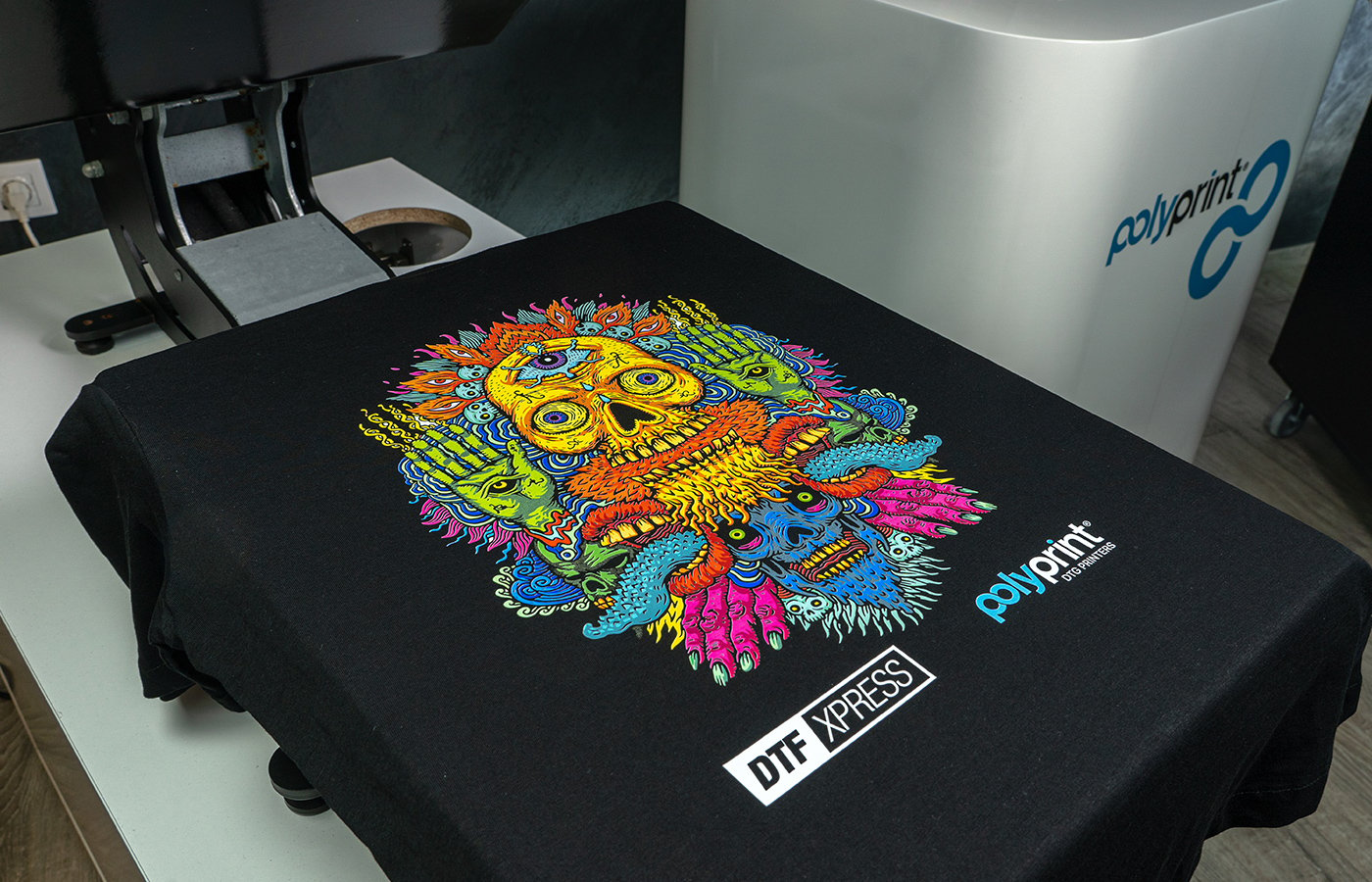
DTF printing, or Direct to Film printing, is revolutionizing the textile printing industry by offering a seamless way for designers to bring their creative visions to life on various fabrics. This innovative technology allows for vibrant colors and intricate details that can be transferred onto materials such as cotton, polyester, and blends, making it a versatile choice for many applications. If you're a beginner eager to learn how to start DTF printing, understanding the essential equipment for DTF printing and the specifics of the DTF printing process is crucial to achieving beautiful results. This guide not only covers best practices for DTF printing but also provides the foundational knowledge needed to ensure your projects stand out. Dive in as we explore the exciting world of DTF printing and equip you with the tools necessary for success in this dynamic field.
The realm of fabric printing is expanding with innovative techniques like DTF printing, or Direct to Film technology, which opens a new avenue for textile designers and enthusiasts alike. This method stands out by allowing high-resolution images to be printed onto specialized films, which are then effortlessly transferred to various materials, delivering exceptional quality and detail. For those just starting, it is imperative to grasp how to initiate your journey in DTF printing, including the necessary equipment and the overarching DTF printing process. As we navigate through the essential steps and practices in this guide, beginners will gain insights into optimal methods for achieving impressive designs. With an emphasis on best practices, beginners can easily embrace DTF printing to elevate their textile design projects.
Essential DTF Printing Equipment for Beginners
When embarking on your DTF (Direct to Film) printing journey, choosing the right equipment is crucial for ensuring the success of your projects. The primary piece of equipment you'll need is a dedicated DTF printer or an inkjet printer that has been specifically modified to handle DTF inks. This choice will significantly impact the quality of your prints, as specialized DTF printers are designed to create vibrant colors and fine details that stand out on fabric. Additionally, don’t overlook the importance of high-quality transfer films, which are vital for transferring images accurately onto your chosen fabric.
In addition to the printer and films, you will also require DTF inks that are specially formulated to bond effectively with both the transfer film and the fabric. The next essential item is heat transfer powder, which acts as an adhesive during the transfer process. A reliable heat press is equally important; it allows you to apply the necessary heat and pressure effectively to ensure the print adheres well to the substrate. Be sure to investigate the specific types of heat presses recommended for DTF applications, as they often come with adjustable settings that are crucial for achieving optimal results.
Understanding the Complete DTF Printing Process
DTF printing is a fascinating process that differs from traditional methods like screen printing or direct-to-garment printing. It begins with designing your artwork within graphic design software, ensuring that it's in high resolution and in the correct color format. Once your design is finalized, the next step involves printing it onto a specialized transfer film, where it is coated with a unique DTF powder while still wet. This powder is essential for creating a solid transfer, as it bonds with the ink during the curing phase.
Curing the print and powder is fundamental to the DTF process, as it enables you to prepare your design for the final transfer to fabric. After curing, you can use a heat press to transfer the design onto your chosen fabric. The precision required during both the powder application and heat pressing ensures that you achieve the best print quality. Many beginners find that practicing with different fabric types can yield varying results, so experimentation is encouraged to find the most suitable methods for your design needs.
Advantages of DTF Printing for Textile Designers
DTF printing offers numerous advantages for textile designers, making it an attractive choice for both amateurs and professionals. One of the primary benefits is its versatility; DTF can be used on a wide variety of fabrics including cotton, polyester, and blended materials, which means you can get creative with your projects. The clarity and detail that DTF printing is capable of achieving is another significant advantage. Because it utilizes high-resolution images, the prints produced are vivid and detailed, helping designs to stand out in competitive markets.
Furthermore, DTF prints are noted for their durability. When applied correctly, the printed designs can withstand multiple washes without significant fading or cracking, making them ideal for apparel that requires longevity. This durability ensures that designers can confidently offer high-quality products to their customers without compromising on design integrity. As a result, embracing DTF printing not only enhances creative possibilities but also elevates the overall quality of your textile prints.
Best Practices for Achieving High-Quality DTF Prints
To ensure the best results from your DTF printing endeavors, adhering to established best practices is essential. Start by meticulously maintaining your equipment; this includes regular cleaning of your printer heads and ensuring your inks are fresh and properly calibrated. Test prints should be conducted frequently to evaluate colors and clarity before moving on to larger batches. Additionally, keep in mind that the quality of your transfer film plays a pivotal role in the final output, so invest in reputable brands that are tried and tested in the market.
Another important practice is to optimize your designs for the DTF process. This means using appropriate file formats and ensuring your graphic designs are correctly sized to avoid pixelation or distortion when printed. When transferring designs to fabric, pay attention to the pressure and temperature settings on your heat press, as these factors will significantly affect the adhesion of your print. Consistently following these best practices will not only maximize the quality of your prints but also enhance your efficiency in the DTF printing workflow.
Tips for Quality Control After DTF Printing
Quality control is crucial in the DTF printing process, particularly after transferring your designs onto fabric. Begin by closely inspecting each printed item for imperfections or areas where the ink may not have adhered correctly. It's vital that each piece meets your quality standards, helping to maintain customer satisfaction and the integrity of your brand. Conducting a wash test on samples can also provide essential feedback on how well the ink and transfer hold up through multiple washes.
Establish a routine for evaluating your finished products, which may include setting aside a quality review stage before packaging or shipping items. This could involve documenting the results of your tests and identifying any common issues that may arise. By doing so, you can refine your printing technique over time and quickly troubleshoot any recurring problems, thereby enhancing your overall output quality and reducing waste.
Exploring Resources and Community Support for DTF Printing
As you embark on your DTF printing journey, tapping into community support and additional resources can significantly enhance your learning experience. Online platforms such as forums, social media groups, and YouTube channels dedicated to DTF printing are exploding with helpful content, including tutorials, troubleshooting tips, and design inspiration. Engaging with other printers at varying skill levels can offer valuable insights that help you avoid common pitfalls and elevate your craft.
Furthermore, equipment suppliers often provide resources, including guides and instructional videos on using their products effectively. Many manufacturers also host webinars or workshops that delve into specific aspects of DTF printing. Taking advantage of these resources can provide you with a deeper understanding of the technology and its capabilities, effectively expanding your skill set and broadening your approach to textile design.
Frequently Asked Questions
What equipment do I need to start DTF printing?
To start DTF printing, you will need specific equipment including a dedicated DTF printer or a modified inkjet printer, high-quality DTF transfer films, DTF inks, heat transfer powder, and a reliable heat press. Each of these components plays a crucial role in producing vibrant and durable prints.
How does the DTF printing process work?
The DTF printing process involves printing your design onto special transfer film using DTF inks, then applying a layer of adhesive powder while the ink is wet. After curing this powder, the printed design is transferred to the fabric using a heat press, creating a quality and long-lasting print.
Are there best practices for DTF printing that beginners should follow?
Yes, beginners in DTF printing should ensure they use high-resolution images, calibrate their printer settings correctly, apply adhesive powder evenly, and perform quality checks after printing. Following these best practices will enhance the overall printing results and reduce errors.
What are some common challenges faced in DTF printing?
Common challenges in DTF printing include issues with ink adhesion to the transfer film, uneven powder application, and improper curing of adhesive. Beginners should pay close attention to these areas to ensure a successful printing experience.
Can I use a regular inkjet printer for DTF printing?
Yes, you can convert a regular inkjet printer for DTF printing by using DTF-compatible inks. However, using a dedicated DTF printer is recommended for optimal print quality and performance.
How can I improve the durability of my DTF prints?
To improve the durability of your DTF prints, ensure proper curing of the adhesive powder, choose high-quality transfer films and inks, and perform wash tests to check the print's longevity. Additionally, using appropriate heat press settings will enhance the adhesion and overall quality of the print.
| Step | Description |
|---|---|
| 1 | Gather Necessary Equipment: Printer, transfer films, DTF inks, heat transfer powder, heat press. |
| 2 | Software Setup: Use graphic design software (like Adobe Illustrator) to create and export designs. |
| 3 | Printing the Design: Load the transfer film, print your design, and apply heat transfer powder. |
| 4 | Curing the Powder: Use a conveyor oven or heat gun to bond the powder to the ink. |
| 5 | Transfer to Fabric: Pre-heat heat press, place film on fabric, and press for proper adhesion. |
| 6 | Quality Control: Inspect printed designs for quality and perform a wash test to ensure durability. |
Summary
DTF printing is a transformative technique that empowers artists and businesses alike to create vibrant, high-quality designs on various textiles. This step-by-step guide simplifies the process for beginners, emphasizing the importance of proper equipment and meticulous procedures. By understanding the foundational aspects of DTF printing, users can unlock new creative potentials, producing stunning and durable prints that stand out in the competitive landscape of textile design. Embrace this innovative method to elevate your printing projects!