
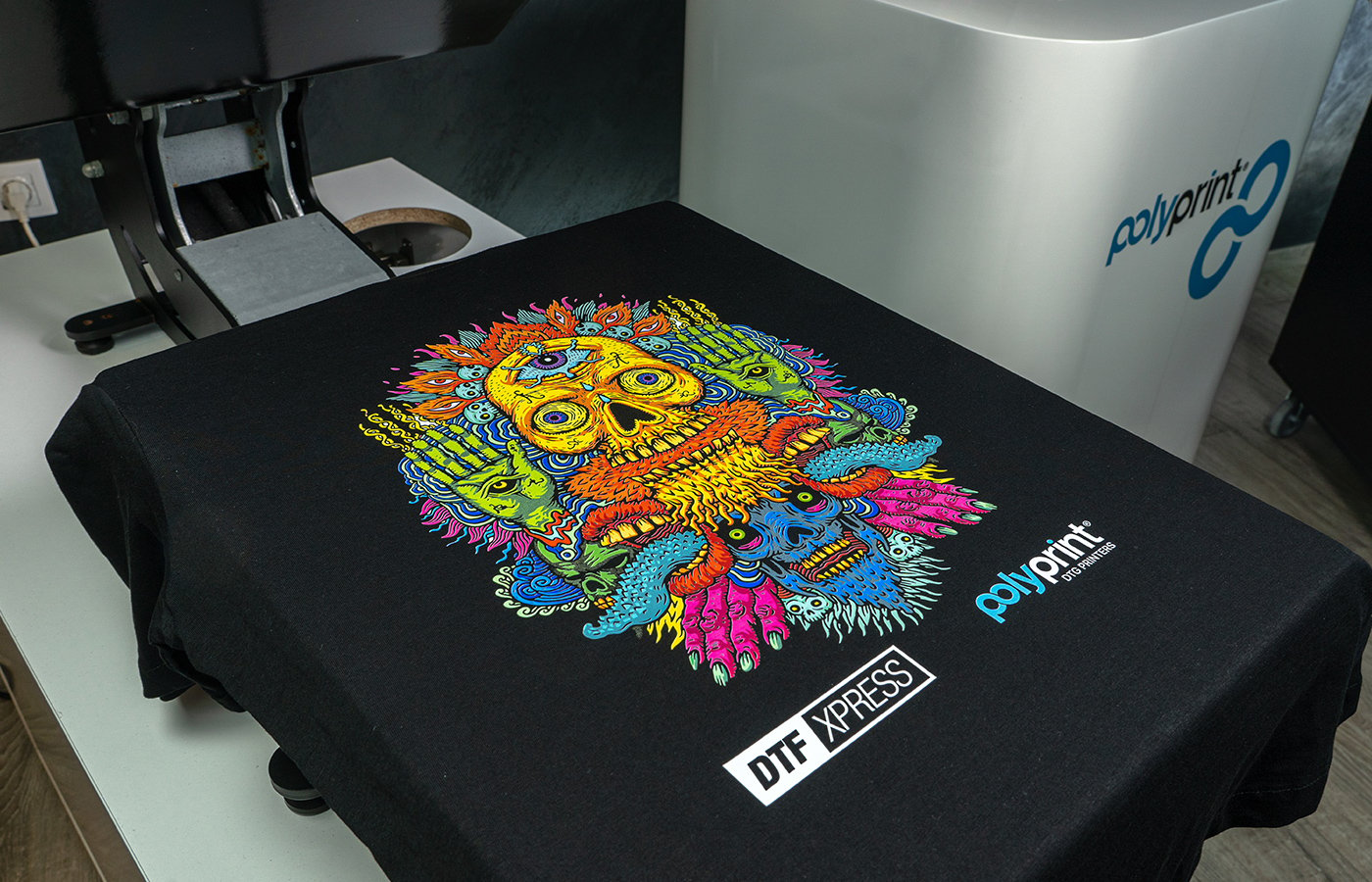
DTF printing, or Direct-to-Film printing, is revolutionizing the landscape of custom apparel printing, combining high-quality results with remarkable versatility. This cutting-edge DTF technology allows businesses to create vibrant, detailed designs that can be applied to a variety of fabrics, meeting the increasing consumer demand for personalized clothing. As more companies turn to innovative printing solutions like DTF, understanding its advantages becomes essential for staying competitive in the custom garment production sector. From enhancing creative flexibility to streamlining production processes, DTF printing is poised to reshape how we think about the future of clothing design. In this blog post, we will explore the major advancements in this printing method and its significance in the world of custom apparel.
In the realm of textile decoration, Direct-to-Film (DTF) printing stands at the forefront, heralding a new era of innovative approaches to customizing garments. Also known as Direct-to-Film technology, this method offers a dynamic solution for producing high-quality prints that cater to ever-evolving consumer preferences for unique clothing items. With its ability to accurately transfer intricate images to various fabric types, DTF has garnered attention as a preferred choice for businesses engaged in custom apparel production. By merging efficiency with creativity, DTF printing provides a unique opportunity for brands to enhance their printing capabilities while keeping pace with consumer trends. In this discussion, we will delve into the transformative impact of DTF technology on both the printing industry and consumer apparel.
The Significance of DTF Printing in Custom Apparel
DTF printing has quickly gained traction in the custom apparel market due to its innovative technique of transferring designs onto a film before applying them to fabric. This method allows for exceptional detail and vibrant colors, making it a standout choice for brands looking to create unique and personalized garments. As consumers increasingly seek out customized options, DTF printing offers a reliable solution that meets these demands without compromising on quality.
Moreover, DTF technology opens up a realm of possibilities for designers and businesses alike. It provides the flexibility to print on a wide array of materials, ranging from cotton and polyester to blends. This versatility not only caters to various style preferences but also positions businesses to tap into niche markets, allowing for a more tailored approach to custom garment production.
Recent Innovations in DTF Technology
The landscape of DTF printing is continuously evolving, with companies like Eazydtf and AM.CO.ZA leading the charge in innovation. Eazydtf's recent expansion with ten new large-format printers signifies an industry trend toward meeting the increasing demand for high-quality apparel printing solutions. This commitment to enhancing production capacity underscores the growing reliance on DTF technology in the competitive custom printing market.
In addition, AM.CO.ZA’s introduction of a compact A3 DTF printer specifically designed for small businesses takes the accessibility of DTF printing to new heights. By minimizing the entry barriers for entrepreneurs eager to delve into custom garment production, these advancements are paving the way for a more vibrant print-on-demand industry, encouraging creativity and diverse offerings.
How DTF Printing Enhances Custom Garment Production
DTF printing offers a myriad of benefits for custom garment production, primarily through its user-friendly processes and superior output quality. The technology excels in producing intricate designs and vibrant graphics that captivate consumers. This is essential for brands looking to differentiate themselves in a crowded marketplace, as customers are drawn to garments that reflect their unique personality.
Additionally, DTF printing significantly reduces turnaround times compared to traditional methods. Businesses can fulfill orders with quick efficiency while maintaining high-quality standards. This ability to scale operations seamlessly correlates well with the demand for personalized apparel, ensuring that companies can adapt swiftly to consumer requests and order fluctuations.
Sustainable Practices in DTF Printing
As sustainability becomes an essential consideration in the textile industry, DTF printing stands out for its eco-friendly practices. The technology has evolved to utilize fewer resources while producing less waste than conventional printing methods. Innovations in DTF processes aim to minimize the environmental impact, setting a standard for responsible manufacturing in custom apparel.
Furthermore, DTF printing techniques often employ non-toxic inks and materials, promoting a healthier production environment. This dedication to sustainable practices resonates with modern consumers who prefer brands that prioritize ethical considerations, bolstering DTF’s appeal in the competitive apparel market.
Empowering Small Businesses with DTF Solutions
The proliferation of DTF printing technologies actively empowers small businesses to explore custom apparel production without the hefty investments often associated with traditional printing methods. The introduction of user-friendly platforms, such as Snuggle’s DTF web-to-print solution, simplifies the operational complexities, allowing resellers and entrepreneurs to flourish.
By providing access to high-quality printing solutions, these advancements enable small businesses to compete on a larger scale. Entrepreneurs can focus on creativity and design while relying on DTF technology to deliver superior results, ultimately transforming their visions into market-ready products with greater ease.
The Future of Custom Apparel with DTF Technology
Looking ahead, DTF technology is poised to play a pivotal role in shaping the future of custom apparel. As consumer preferences lean more towards personalization and quality, the capabilities of DTF printing align perfectly with these trends, offering a blend of efficiency and aesthetic appeal that is hard to ignore.
Additionally, as advancements continue to enhance the technology, businesses are likely to see further improvements in speed, scalability, and output quality. This trajectory ensures that DTF printing not only remains relevant but also leads the way in innovative printing solutions that cater to the changing landscape of the apparel market.
Frequently Asked Questions
What is DTF printing and how does it work?
DTF printing, or Direct-to-Film printing, is a revolutionary method used in custom apparel printing. It involves transferring high-quality images onto a specialized film that can be applied to various fabrics using heat. This technique produces vibrant colors and detailed designs that are durable, resistant to fading, and perfect for creating personalized garments.
What are the advantages of using DTF technology for custom garment production?
DTF technology offers several advantages for custom garment production, including versatility across different fabric types, high detail and durability in prints, cost-effectiveness due to reduced material waste, and scalability that allows businesses to meet increasing customer demands efficiently.
How does DTF printing compare to traditional custom apparel printing methods?
Compared to traditional methods, DTF printing stands out for its ability to produce intricate designs with greater color vibrancy and detail. It is more eco-friendly, reduces labor costs, and minimizes material waste, making DTF a progressive solution in the world of custom apparel printing.
What recent developments have enhanced DTF printing technology?
Recent developments such as the launch of compact A3 printers and user-friendly innovations have made DTF printing more accessible for small businesses and freelancers. Companies like Eazydtf and Snuggle are also optimizing DTF technology for commercial applications, further demonstrating its growing importance in the custom apparel industry.
Can DTF printing be used on all types of fabrics?
Yes, DTF printing is highly versatile and can be used on a wide range of fabric types, including cotton, polyester, and blends. This adaptability makes DTF an ideal choice for businesses aiming to produce customized garments that cater to various consumer preferences.
Is DTF printing a sustainable solution for custom apparel printing?
DTF printing is designed to be more environmentally friendly than conventional methods, as it utilizes fewer resources and generates less waste. New techniques in DTF technology emphasize sustainability, making it an attractive option for businesses focused on eco-conscious practices in custom garment production.
| Key Point | Description |
|---|---|
| What is DTF Printing? | A method of transferring images onto a specialized film for application on various fabric types using heat, allowing vibrant, durable designs. |
| Recent Developments | Innovations like larger capacity printing, compact models for small businesses, web-to-print platforms, and user-friendly printers enhance DTF accessibility and efficiency. |
| Advantages of DTF Printing | Versatile on various materials, high durability in colors and details, cost-effective compared to traditional methods, scalable production, and environmentally friendly. |
Summary
DTF printing is revolutionizing the custom apparel market, providing businesses with innovative and efficient solutions to meet increasing customer demands. As outlined, the technology allows for the intricate transfer of vibrant images onto various fabrics while offering high durability and cost-effectiveness. With advancements like compact printers for smaller enterprises and streamlined online platforms for easy access, DTF printing is becoming more accessible to a wide range of users. Moreover, its adaptability to different materials and emphasis on environmentally conscious practices positions it as a sustainable choice in garment production. For anyone looking to invest in custom apparel printing, exploring DTF technology is essential, as it not only meets current trends but also paves the way for future innovations in the industry.