
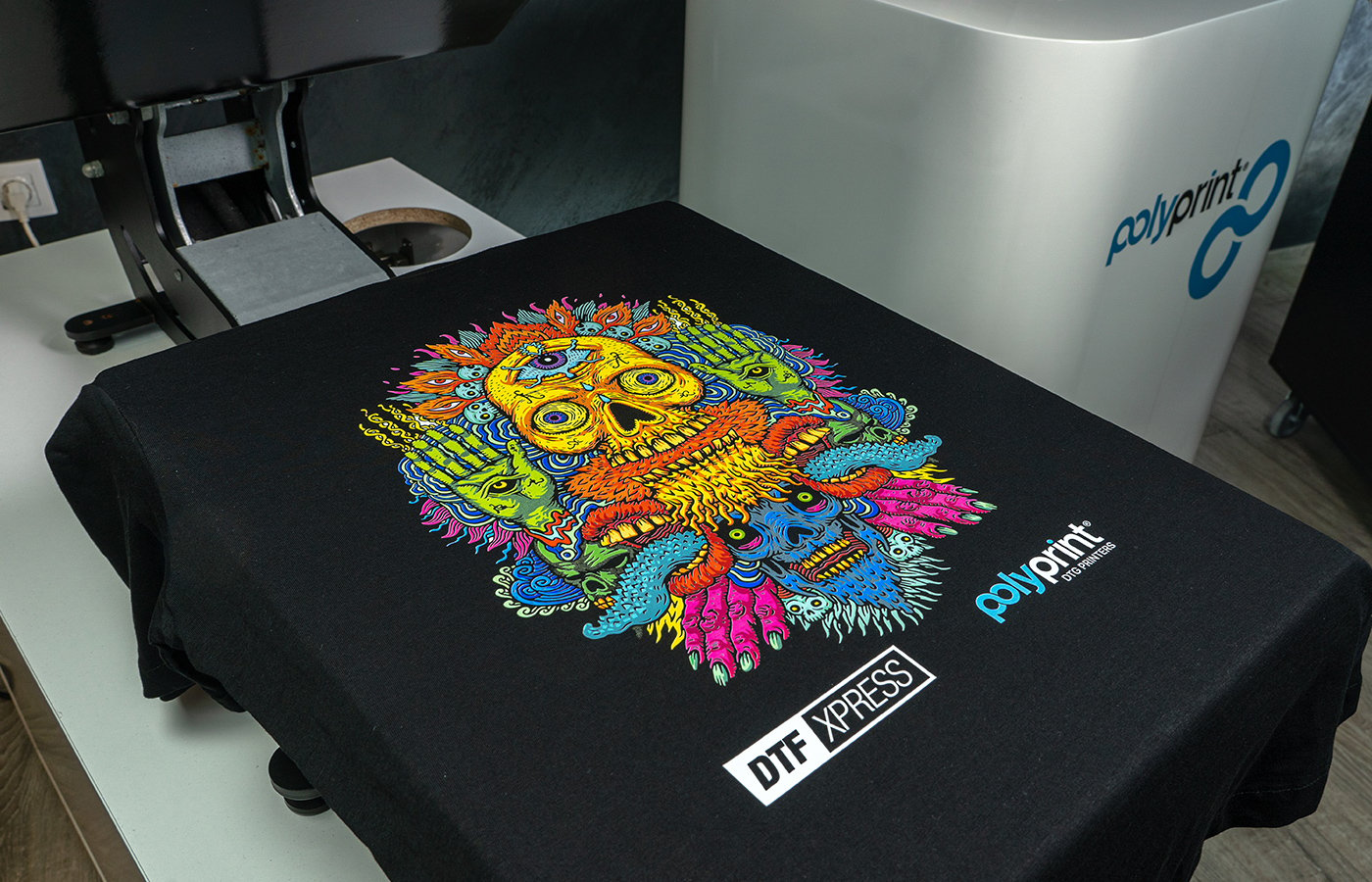
DTF printing, or Direct to Film printing, is a groundbreaking method that is transforming the landscape of apparel decoration and textile printing. This innovative technique allows printers to create stunning, vivid designs that adhere beautifully to a wide range of fabrics, including cotton, polyester, and blends. By harnessing the power of DTF transfers, both professionals and hobbyists can unlock new creative possibilities, making their designs stand out in a competitive market. In this guide, we will share essential DTF printing tips and techniques to help you enhance your craft and ensure quality outputs that are as durable as they are eye-catching. Whether you're a novice or experienced in DTF printing, mastering the optimal materials and processes can elevate your projects to new heights.
Also known as Direct to Film printing, DTF printing has emerged as a popular choice for those seeking to bring their textile art to life with unparalleled clarity and color depth. This printing method utilizes a specialized film to transfer intricate designs onto fabric, offering a versatile solution for various applications, from custom apparel to personalized merchandise. With unique DTF printing techniques and high-quality materials, users can achieve vibrant outputs that maintain their integrity even after multiple washes. In this article, we'll delve into the latest trends and best practices for DTF transfer printing, providing you with valuable insights to improve your results and expand your creative horizons. As the world of DTF continues to evolve, staying informed is crucial to maximizing your printing potential.
Understanding Direct to Film (DTF) Printing
Direct to Film (DTF) printing has quickly gained popularity due to its ability to produce high-resolution prints on a variety of materials. The process revolves around printing designs onto specialized transfer film, which are then applied to fabrics using heat and an adhesive powder. This method not only allows for vibrant colors and intricate designs but also offers unmatched flexibility compared to traditional printing techniques. DTF printing can be used on cotton, polyester, and blends, making it suitable for a broad range of garment types and products.
To fully leverage the advantages of DTF printing, it’s essential to understand the components involved. The DTF transfer film must be compatible with the ink used in the printer, and the adhesive powder needs to properly bond with both the film and the fabric. With careful attention to these materials, as well as following best practices in the printing and heat transfer processes, you can achieve stunning results that stand the test of time.
Frequently Asked Questions
What is DTF printing and how does it work?
DTF printing, or Direct to Film printing, involves printing designs onto a special film, followed by heat transfer onto fabrics. It uses high-quality inks and specialized DTF films to create vibrant and durable prints.
What are the best materials for DTF printing?
To achieve quality results in DTF printing, it is essential to use high-grade DTF films and compatible inks from trusted brands like Epson or Roland, ensuring superior adhesion and vibrant colors.
How can I optimize my printer settings for DTF printing?
Optimizing your printer settings for DTF printing involves adjusting parameters like temperature, ink density, and resolution. Experimenting with these settings will help achieve the best print quality on different substrates.
What is the importance of pre-treatment in the DTF printing process?
Pre-treatment is crucial in DTF printing as it enhances ink adhesion to the film. This process boosts print durability and quality, particularly after washing, ensuring your designs last longer.
What heat transfer techniques should I follow for successful DTF printing?
For effective DTF printing, use a reliable heat press machine and ensure you set the correct temperature and pressure according to the fabric type. Monitoring the time and settings prevents damage to prints.
How can I learn more about DTF printing techniques and tips?
Engaging with the DTF printing community is an excellent way to learn more. Join online forums, social media groups, and attend local workshops to share experiences and gather valuable insights into DTF printing techniques.
| Tip | Description |
|---|---|
| Invest in Quality Materials | Use high-quality DTF films and compatible high-grade inks to ensure vibrant and accurate colors. |
| Proper Printer Calibration | Regularly check and adjust printer settings to prevent color discrepancies and ensure consistent results. |
| Optimize Your Printer Settings | Adjust temperature, speed, ink density, and resolution settings based on the material to achieve the best output. |
| Pre-treatment of Film | Apply a special coating to the film before printing to improve ink adhesion and print durability. |
| Master Your Heat Transfer Process | Use a reliable heat press machine with accurate temperature and pressure settings to protect prints and fabric. |
| Allow for Adequate Curing Time | Ensure sufficient curing time for prints to strengthen the bond between ink and fabric, enhancing durability. |
| Regular Maintenance of Your Printer | Perform routine maintenance, including cleaning print heads and flushing ink, to avoid downtimes due to clogs. |
| Experiment and Test Different Combinations | Experimenting with various materials and settings can reveal new methods and improve efficiency. |
| Engage with the DTF Community | Connect with fellow DTF enthusiasts for shared insights, tips, and collaborative opportunities. |
| Stay Updated on Industry Trends | Follow industry sources to keep informed about emerging technologies and refine your printing techniques. |
Summary
DTF Printing is a game-changer in the world of textile printing, enabling users to create vibrant and durable designs across various materials. By implementing key practices such as investing in quality materials, calibrating printers, optimizing settings, and connecting with the DTF community, print quality can be significantly enhanced. Additionally, staying updated with industry trends ensures you're always ahead of the curve. Unlocking the potential of DTF printing not only elevates the final product but also enriches the overall creative process, making it a rewarding journey for both professional and hobbyist printers alike.