
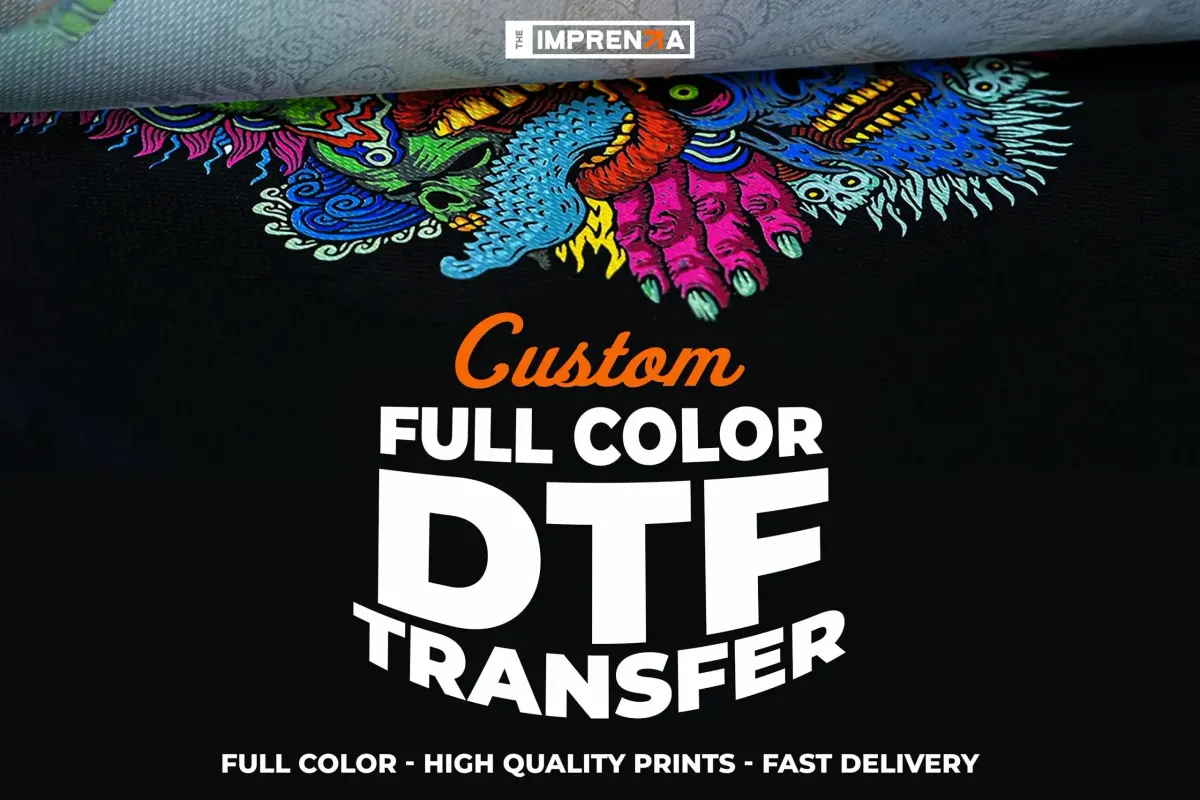
DTF Transfers, an innovative printing technique, are transforming the landscape of custom garment decoration. With a distinct process known as Direct-to-Film printing, these transfers allow for intricate designs to be printed on films and then applied to various fabric types using heat. As businesses seek cost-effective and high-quality solutions for apparel and promotional items, DTF transfer printing has emerged as a frontrunner in the textile industry. The DTF printing process not only offers vibrant colors and fine details but also excels in durability, making it a desired choice for quality-conscious customers. This introductory guide will delve into the fundamentals of DTF transfers, highlighting their advantages and applications in today’s market.
Also referred to as direct-to-film printing, DTF transfers pave the way for a new era in custom textile solutions. This cutting-edge technique utilizes transfer films to create eye-catching designs that are heat-pressed onto diverse fabrics. The allure of custom DTF transfers lies in their flexibility, affordability, and exceptional print quality, enabling businesses to easily produce personalized items. When comparing DTF to traditional methods like DTG printing, the advantages become clear—DTF stickers are not only easier to implement, but they also offer superior lifespan and versatility across different materials. In this discussion, we will explore the DTF printing process and its growing significance in various sectors.
Understanding the DTF Printing Process
The Direct-to-Film (DTF) printing process is an innovative approach that merges technology and creativity to produce stunning results. It begins with the creation of a high-resolution digital design, ensuring sharpness and vibrant colors are maintained throughout the printing process. The design is then printed onto a specially formulated transfer film, using advanced DTF printers that utilize exclusive inks designed for this method. This careful preparation sets the stage for a flawless transfer, allowing intricate details to shine through.
Once the design is printed, a hot-melt adhesive is applied to the film's printed side, which plays a crucial role in binding the design to the chosen fabric. The final step of the DTF printing process involves heat pressing, where the film is placed on the selected material and subjected to heat and pressure. This enables the transformative adhesion of the ink to the fabric, resulting in a high-quality finished product that's both durable and visually striking.
The Benefits of DTF Transfers for Custom Garment Decoration
DTF transfers come with a multitude of benefits, making them an attractive option for custom garment decoration. One of the most significant advantages is their versatility. They can be applied to a wide range of materials, including cotton, polyester, and even leather. This flexibility allows businesses to cater to various customer needs, producing everything from trendy T-shirts to personalized promotional merchandise. DTF's ability to handle different fabric types without necessitating extensive adjustments to equipment is particularly appealing to small businesses.
Moreover, DTF transfers are commendably cost-efficient. This process allows for shorter setup times and reduced material waste compared to traditional Direct-to-Garment (DTG) printing methods. Teamed with the growing trend of on-demand printing, DTF technology helps entrepreneurs produce custom designs without large-scale upfront investment, thus reducing financial risk while offering flexibility in batch sizes.
Durability and Quality of DTF Transfers
A standout feature of DTF transfers is their remarkable durability. The prints produced through this technique resist fading and can withstand multiple washes without losing vibrancy or integrity. This is particularly important for products that are worn frequently, such as sports jerseys or everyday apparel. Businesses can confidently sell DTF-printed products knowing that the quality will remain intact over time, resulting in happier customers and fewer returns.
Additionally, the quality of finish that DTF transfers provide is exceptional. The combination of microscopic details offered by DTF printing and the high-quality materials used ensures that the final product is not only visually appealing but also feels great against the skin. This emphasis on quality leads to a positive customer experience and encourages repeat purchases, something all businesses strive for in the competitive apparel market.
Eco-Friendly Aspects of DTF Printing
The focus on sustainability has become increasingly essential in today's textile industry, and Direct-to-Film (DTF) printing is stepping up to meet environmental challenges. Unlike some traditional printing methods that generate a considerable amount of waste, DTF utilizes a more efficient use of materials and energy. The DTF printing process is designed to minimize waste, as it allows for precise printing that reduces excess materials and inks.
Moreover, DTF transfers don't require harmful solvents, which further decreases environmental impact. By adopting eco-friendly practices, businesses that implement DTF technology not only help reduce their carbon footprint but can also appeal to conscientious consumers who value sustainable products. This alignment with eco-conscious values can set brands apart in a crowded market.
Applications of DTF Transfers in Various Industries
DTF transfers are revolutionizing many industries beyond just apparel. In the sports sector, for example, custom jerseys and team merchandise benefit significantly from DTF technology to showcase logos and player names while maintaining durability. The ability to produce detailed designs coupled with cost-effectiveness makes DTF an attractive option for sports teams, from local leagues to professional organizations.
Furthermore, promotional products such as tote bags, hats, and other merchandise often use DTF transfers to enhance brand visibility. By providing a vibrant display of logos and slogans, businesses can create eye-catching items that promote their brand effectively. As DTF technology continues to evolve, the potential applications seem limitless, opening new avenues for creative and customized product offerings.
DTF vs. DTG Printing: Which is Better?
When comparing DTF (Direct-to-Film) and DTG (Direct-to-Garment) printing, it's essential to consider the specific needs of your business or project. DTF printing typically offers greater versatility in terms of fabric types, as it can be applied to a wider range of materials, including those not suitable for DTG. This makes DTF a preferred choice for various applications—from apparel to promotional products.
Additionally, DTF printing tends to be more cost-effective for small batch production, as it does not require the same upfront investment in machinery or set-up time as DTG printing. While DTG is excellent for high-resolution, full-color designs directly on garments, DTF provides comparable quality with the added flexibility and potential for broader applications, making it a strong contender in the custom printing landscape.
Frequently Asked Questions
What are DTF transfers and how do they work?
DTF transfers, or Direct-to-Film transfers, utilize a specialized printing film to create vibrant designs that are applied to fabrics using heat. The process involves printing an image onto the film, applying adhesive, and then heat pressing it onto the fabric, allowing customization across various materials.
How does the DTF printing process compare to DTG printing?
While both DTF and DTG printing are popular methods for customizing garments, DTF transfers offer greater material versatility and typically lower costs for smaller production runs. DTF prints can be applied to a range of fabrics, including cotton and polyester, unlike DTG which generally works best on 100% cotton.
What are the advantages of using custom DTF transfers for garment decoration?
Custom DTF transfers provide a cost-effective, durable, and versatile solution for garment decoration. They allow for high-quality prints that withstand washing and wear, making them ideal for custom apparel and promotional products. Additionally, DTF technology requires less setup and can cater to small batch productions.
Are DTF transfers eco-friendly compared to traditional printing methods?
Yes, DTF transfers are regarded as an eco-friendly option. This method generates less waste and requires less energy than traditional printing techniques, making it a sustainable choice for garment decoration while reducing the overall environmental footprint.
What fabrics can DTF transfer printing be applied to?
DTF transfer printing is incredibly versatile and can be applied to a wide range of fabrics, including cotton, polyester, leather, and various blends. This flexibility makes DTF a popular choice for custom apparel and promotional items.
Is it easy to implement DTF printing in a small business?
Absolutely! The DTF printing process is user-friendly, making it accessible for small businesses and home-based entrepreneurs. With minimal equipment and a manageable learning curve, anyone can successfully integrate DTF printing into their operations.
| Key Point | Detail |
|---|---|
| What are DTF Transfers? | DTF transfers utilize a film to print designs that are heat-pressed onto fabrics, offering a versatile and high-quality printing alternative. |
| The DTF Process | 1. Design Creation 2. Film Printing 3. Adhesive Application 4. Heat Pressing 5. Peeling and Finishing |
| Advantages of DTF Transfers | Versatile applications, cost-efficient, durable prints, eco-friendly, and user-friendly. |
| Real-World Applications | Used in apparel customization, sporting goods, and promotional products. |
Summary
DTF Transfers have revolutionized the textile printing industry with their innovative and versatile approach to custom garment decoration. By using a specialized process that combines high-quality prints and cost efficiency, DTF Transfers are becoming a preferred choice for businesses of all sizes. This technique allows for vibrant and durable designs on a variety of fabrics, making it suitable for everything from personalized clothing to promotional merchandise. As the demand for unique and customizable products continues to grow, DTF Transfers are positioned to lead the future of printing, delivering exceptional results while minimizing environmental impact.