
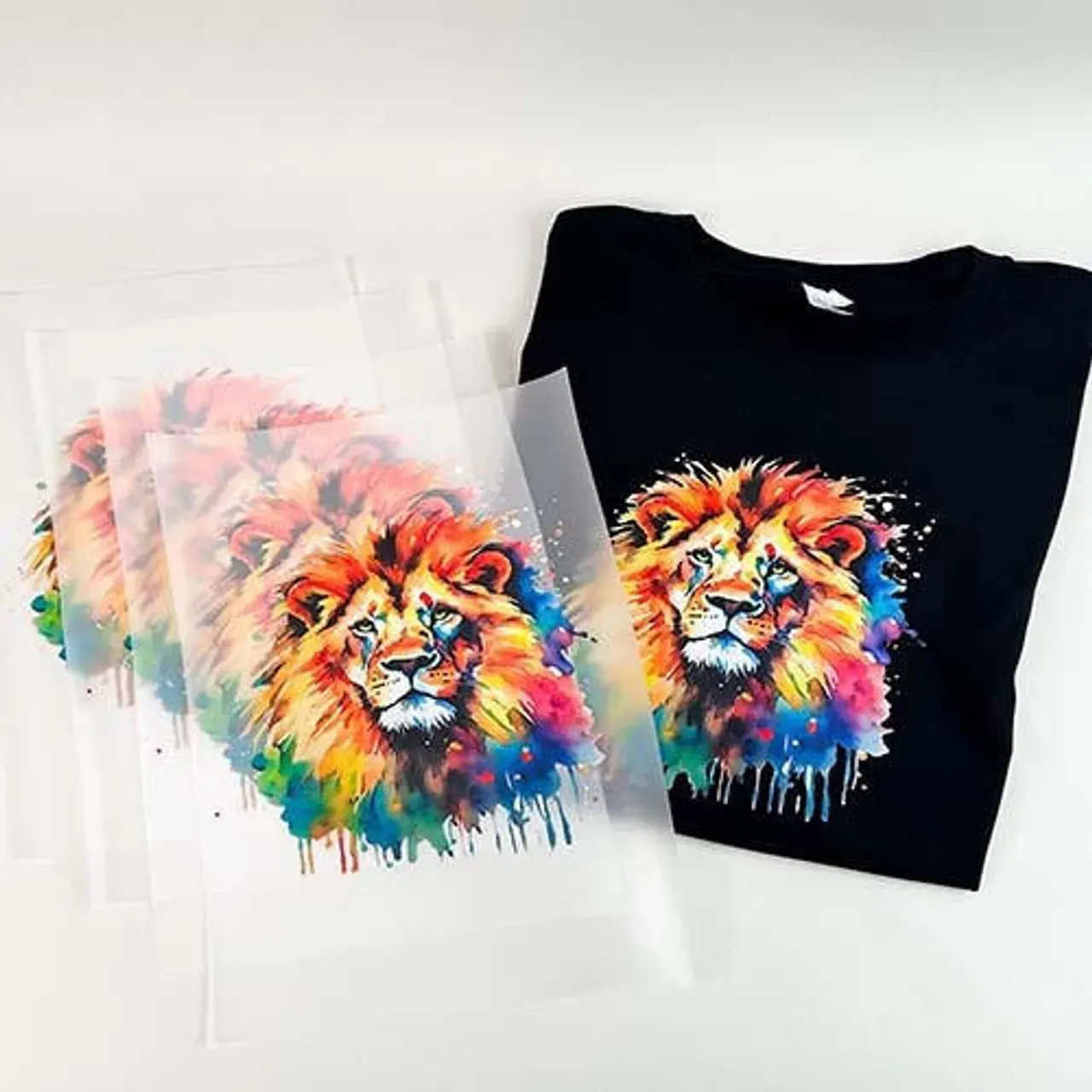
DTF transfers, or Direct-to-Film transfers, are revolutionizing the custom apparel printing landscape. This innovative technique utilizes a specialized film that seamlessly adheres stunning designs onto various fabrics, including cotton and polyester blends. Ideal for small business owners and DIY enthusiasts, DTF printing techniques offer a unique way to achieve intricate and vibrant outputs with minimal effort compared to traditional methods. With the rise of this advanced printing technology, learning DTF design tips can greatly enhance the quality of your fabric prints. Embrace DTF transfers to elevate your printing projects and explore new creative horizons.
Also known as Direct-to-Film printing, this modern printing approach opens up exciting possibilities for creating custom apparel. By employing specialized films and adhesives, users can transfer highly detailed designs onto a wide array of textiles. This method is particularly appealing for those in the custom garment industry, as it not only streamlines the printing process but also ensures color vibrancy and durability in finished products. Alternative terms like DTF printing techniques and custom fabric printing encompass a range of strategies that can help designers achieve professional results. As the demand for quality prints grows, understanding the nuances of this unique printing process is becoming more essential.
Introduction to DTF Transfers and Their Popularity
DTF (Direct-to-Film) transfers are revolutionizing the custom apparel business by offering high-quality prints that are both vibrant and durable. This technique differs from traditional methods like screen printing, as it utilizes a film that acts as a medium for transferring designs onto various fabrics. The versatility of DTF allows for intricate and detailed designs that cater to the contemporary demand for customization in fashion and textiles.
As more people embrace personalized clothing and unique designs, DTF transfers are becoming increasingly appealing. This method's ability to work with a wide array of materials such as cotton, polyester, and blends makes it a favorite among printing enthusiasts and entrepreneurs alike. This guide will explore the essentials of DTF transfers, including tips for achieving stunning designs and navigating the associated technologies.
Exploring DTF Printing Techniques
DTF printing techniques have transformed how designers approach custom apparel printing. Unlike traditional printing methods, DTF printing allows for direct application of designs on films, which can then be transferred onto garments. This process involves using special DTF ink that adheres to the film and retains high vibrancy once applied to the fabric. With the capability to layer colors effectively, DTF printing stands out in its ability to deliver intricate detail and precision.
The advantage of DTF transfers extends beyond just the technology itself; it encompasses flexibility and convenience. For instance, DTF printing can seamlessly accommodate intricate designs without sacrificing quality. Additionally, because the designs can be printed on a transfer film, multiple garments can be printed simultaneously, making this technique highly efficient for bulk orders or custom projects.
Essential Equipment for DTF Transfers
To embark on your DTF transfer journey, acquiring the right equipment is imperative. At the core of this process is a DTF printer, specifically designed to print on specialized films. Unlike standard inkjet printers, DTF printers use specialized ink formulations that enhance adhesion and vibrancy on fabrics. Additionally, investing in a reliable heat press machine is crucial, as it provides the controlled temperature and pressure needed to create a successful transfer.
Another important material is the hot melt powder, which ensures that your design adheres properly to the fabric. This adhesive is applied to the printed film before the heat transfer process. A crucial aspect of operating DTF equipment involves regular maintenance. Regularly cleaning your printer and heat press will yield better results and increase the longevity of your machinery.
Tips for Creating Stunning DTF Designs
Achieving stunning designs using DTF transfers revolves around creative preparation and meticulous execution. Begin by selecting high-resolution images that boast vibrant colors, as DTF printing can handle a broader spectrum compared to traditional methods. Utilizing software tools for graphics preparation can help ensure that lines are clean and edges are defined, which is critical for a successful transfer when working with intricate designs.
Conducting test runs on various fabric types is recommended to establish optimal heat and pressure settings. Every fabric behaves differently during the printing process, and finding the right combination can be the key to achieving crisp, appealing results. Experimentation is part of the process, and your willingness to test various approaches can lead to breakthrough designs that will captivate your audience.
Best Practices in DTF Transfers
Adhering to best practices is fundamental to the success of DTF transfers. First and foremost, proper storage of DTF films must be prioritized to prevent moisture damage, which can severely affect print quality. Keeping films in a cool, dry environment will prolong their usability and ensure that your prints maintain their integrity over time.
Furthermore, maintaining your equipment plays a vital role in producing consistent quality. Regularly cleaning your heat press and performing routine maintenance on your DTF printer will prevent clogs and design contamination. These practices ensure that every print is as sharp and brilliant as the first, contributing positively to your overall production workflow.
Emerging Trends and Innovations in DTF Printing
The DTF printing sector is witnessing rapid technological advancements that are setting new benchmarks in print quality and durability. Innovations in ink formulation and adhesive technologies are enhancing the colors' vibrancy and wash resistance, making DTF transfers a long-lasting choice for commercial printing. This evolution reflects a growing demand for higher-quality, more resilient prints that can withstand the test of time.
Sustainability is also gaining momentum in the DTF printing arena. Many manufacturers are adapting eco-friendly practices, including the use of water-based inks and recyclable films that minimize the environmental impact of the printing process. As the industry pivots toward greener options, engaging with sustainable practices will not only appeal to a conscious consumer base but can also foster brand loyalty in a competitive market.
Frequently Asked Questions
What are DTF Transfers and how do they work?
DTF transfers, or Direct-to-Film transfers, are a printing technique where designs are printed onto a specialized film using DTF ink. A hot-melt adhesive powder is then applied, and the transfer is adhered to the fabric using a heat press. This method is ideal for printing on various materials such as cotton and polyester, making it a popular choice for custom apparel printing.
What equipment do I need for DTF printing?
To successfully utilize DTF printing techniques, you will need a DTF printer capable of using DTF ink, a heat press machine for transferring designs, and hot-melt adhesive powder to ensure proper adhesion of your prints. Additional tools may include software for graphic design and maintenance supplies for your printer.
What are some DTF design tips for beginners?
For beginners in DTF transfers, focus on using high-resolution images with vibrant colors, prepare your artwork with clean edges, and conduct test runs on different fabrics to find the best settings. Simplicity in design can also help in achieving successful transfers, especially during your practice.
How do I troubleshoot DTF transfers that don't adhere properly?
If your DTF transfers are not adhering properly, check the pressing time and temperature as they may need adjustment. Additionally, ensure that your heat press is functioning correctly, and that you are using the appropriate hot-melt adhesive powder for your fabric type.
What are the common challenges associated with DTF printing?
Common challenges with DTF printing include issues with transfers peeling off or sticking poorly to fabrics. Regular printer maintenance is also necessary to prevent clogging of print heads, and experimenting with various adhesive powders can help you find the right fit for different materials.
Are there any market trends in DTF printing I should be aware of?
Yes, current market trends in DTF printing include advancements in ink and adhesive technologies enhancing washability and color vibrancy. Additionally, there is a growing emphasis on sustainable practices, with more companies developing eco-friendly inks and recyclable films for DTF transfers.
| Key Point | Description |
|---|---|
| What is DTF Printing? | Printing vibrant designs onto a coated film using DTF ink and applying it to fabric with heat. |
| Essential Equipment and Materials | DTF Printer, Hot Melt Powder, and Heat Press Machine are necessary for successful DTF transfers. |
| Tips for Creating Stunning Designs | Use vibrant colors, prepare artwork properly, and conduct test runs on different fabrics. |
| Best Practices to Follow | Store films properly, maintain equipment regularly, and experiment with adhesives for best results. |
| Market Trends and Innovations | Focus on improved ink technologies and sustainable practices in DTF printing. |
| Common Challenges and Solutions | Address transfer issues and maintain printer functionality regularly to improve results. |
Summary
DTF Transfers provide an innovative avenue for custom apparel printing, blending creativity with technology. This method not only simplifies the garment decoration process but also guarantees exceptional vibrancy and durability of designs. By mastering the techniques and equipment involved in DTF transfers, individuals and businesses alike can achieve professional-quality prints that stand out in today's competitive market. As you embrace DTF transfers, keep yourself updated on new advancements and best practices to ensure your creations continue to impress and resonate with your audience.