
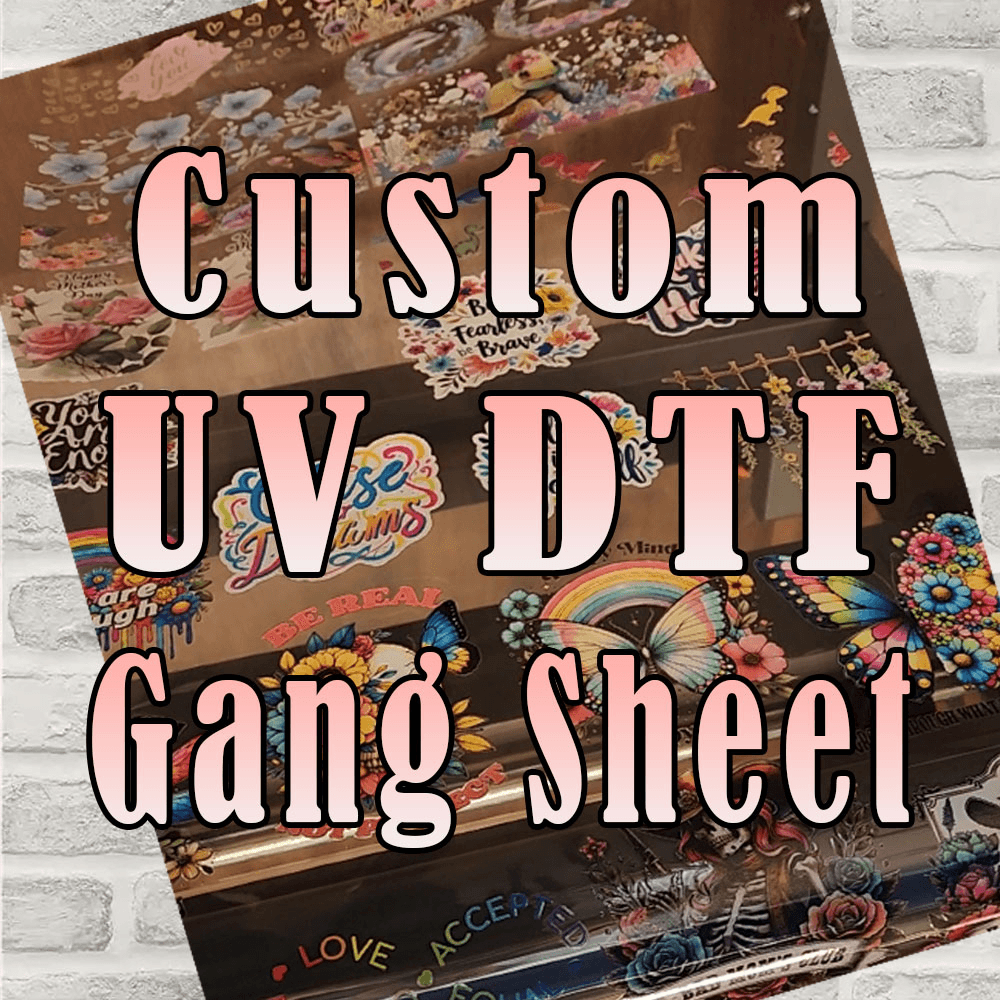
In the dynamic landscape of modern printing, **UV DTF Gangheet Designs** are emerging as a revolutionary method that combines the best of both direct-to-film (DTF) and UV printing technologies. This innovative approach not only enables the creation of stunning, complex designs but also enhances production efficiency by allowing multiple images to be printed on a single sheet. With a focus on quality and vibrancy, UV DTF utilizes advanced curing processes that ensure designs adhere beautifully to various substrates. As more businesses adopt this technology, the demand for **custom print designs** continues to rise, making it a game-changer in the printing industry. Join us as we explore the intricate world of gangsheet printing and discover how it transforms creative visions into tangible realities.
As we embark on this exploration of modern printing techniques, we delve into the realm of **gang sheet printing**, a method that merges two powerful technologies: DTF and UV printing. This approach allows for the efficient production of multiple designs in one go, significantly reducing material waste and time. By employing **Mimaki UV DTF** systems, creators can achieve vibrant and durable prints suitable for a diverse range of materials. Ultimately, the innovation in UV DTF printing paves the way for exceptional **custom print designs**, offering endless possibilities for artists, designers, and businesses alike.
The Significance of DTF Printing in Modern Design
DTF (Direct-to-Film) printing has revolutionized how designers approach their projects. By providing a method that allows intricate designs to be printed directly onto films, DTF printing facilitates easy transfers onto a variety of substrates. This process is especially beneficial for creating custom print designs, as it minimizes material waste and streamlines production by allowing multiple images to be printed on a single sheet. The reduction in waste not only benefits the environment but also proves cost-effective for businesses, making DTF printing an essential choice in today’s fast-paced design and production landscape.
The flexibility of DTF printing is another key advantage. It accommodates a vast range of applications from textiles to rigid surfaces. This versatility allows designers to produce everything from promotional materials to high-quality fabric prints. As a result, DTF technology has rapidly gained popularity across different industries, being embraced by both small businesses and large manufacturing companies. With the capacity for vibrant colors and detailed imagery, DTF prints can meet the high standards that modern consumers demand.
Exploring the Anatomy of UV DTF Gangheet Printing
Understanding the anatomy of UV DTF gangheet printing is crucial for anyone interested in this innovative technique. The process begins with skilled graphic designers crafting unique artwork that is digitally printed onto a specialized film. This film, typically treated to enhance adhesion, is then used as a medium for transferring designs onto various surfaces. The beauty of gang sheet printing lies in its capability to utilize a single sheet for multiple designs, promoting efficiency and reducing setup time during production.
Once the designs are printed, the film is subjected to UV light curing, a process that solidifies the inks and prepares them for transfer. This curing method is essential for ensuring that prints maintain their quality and vibrancy, even after exposure to various elements. The ability to print on diverse substrates, made possible by the advancements in UV printing technology, highlights the resilience and adaptability of modern printing solutions, positioning UV DTF gangheet designs at the forefront of printing technology.
Advancements in UV DTF Technology
The landscape of UV DTF printing technology is evolving rapidly, with innovations such as the Mimaki UV DTF systems changing the game for designers and manufacturers. These systems enhance the durability of prints, allowing for a broader spectrum of materials to be printed upon with impeccable quality. From robust graphics on textiles to eye-catching designs on hard surfaces, Mimaki's technology offers a level of versatility that is reshaping the possibilities in the printing arena.
Moreover, with companies investing in large-format DTF printers, the scales of production have dramatically increased. The focus on efficiency and speed meets the growing demand for high-quality personalized designs, essential for industries ranging from fashion to promotional products. The ability to produce vibrant and lasting prints has never been more achievable, making UV DTF technology a top choice for both commercial setups and small business endeavours.
Emerging Trends in Consumer-Grade UV DTF Printers
Emerging trends indicate a shift in accessibility to advanced printing technologies, particularly with the introduction of consumer-grade UV DTF printers. For example, products like the eufyMake Printer E1 have made it possible for hobbyists and small business owners to engage in direct-to-film printing without the hefty investment traditionally associated with industrial printers. This democratization of technology allows individuals to explore their creativity, producing personalized custom print designs from the comfort of their own workspaces.
As the market for affordable printing solutions continues to grow, an increasing number of amateur designers are experimenting with UV DTF printing. This trend not only empowers users to showcase their artistic talents but also encourages the emergence of niche markets. With hobbyists becoming more proficient in design, we can anticipate an influx of unique and innovative prints entering the market, demonstrating the versatility and excitement that UV DTF gangheet printing brings to the forefront of design.
Tackling Challenges in DTF Printing
Despite the many advantages of DTF printing, it is important to acknowledge the challenges that can arise during the process. One significant issue is ensuring that the curing process is conducted at the optimal temperature and settings. If these parameters are not meticulously controlled, it can lead to printing errors, including smudging or misalignment, which can compromise the overall quality of the finished product. Therefore, understanding the materials used and conducting thorough testing are essential practices for achieving flawless prints.
Another challenge in the DTF printing workflow is the effective layout and optimization of gang sheets. Poorly designed layouts can lead to production bottlenecks, wasting time and materials. Designers should be well-versed in creating efficient designs that take full advantage of the gang sheet format. By incorporating effective strategies during the design phase, companies can minimize production hurdles, ensuring a smoother and more productive printing operation.
The Future of UV DTF Gangheet Designs
The future of UV DTF gangheet designs looks promising as the printing industry embraces innovation and automation. As technology continues to advance, we can expect further enhancements in printing capabilities, with machines becoming more user-friendly and incorporating sophisticated features. This evolution will not only improve the quality and vibrancy of prints but will also increase the accessibility of printing technology for a wider audience, from professional printers to hobbyist designers.
Moreover, as consumers become more aware of the customization potential of UV DTF printing, there will likely be an increasing demand for personalized products. This trend could lead to further research and development into new techniques and materials that enhance the printing experience. An exciting future awaits as UV DTF gangheet designs continue to push the boundaries of creativity, making a significant impact within the broader landscape of design and print technology.
Frequently Asked Questions
What are UV DTF Gangheet Designs, and how do they differ from traditional printing methods?
UV DTF Gangheet Designs leverage a combination of UV printing technology and direct-to-film (DTF) printing to create high-quality prints on diverse substrates. Unlike traditional printing methods that may apply inks directly to surfaces, UV DTF printing prints designs onto a film which is then cured with UV light, ensuring vibrant colors, faster curing times, and the ability to print on multiple materials seamlessly.
How does the DTF printing process work in creating UV DTF Gangheet Designs?
The DTF printing process for UV DTF Gangheet Designs involves printing reversed graphics onto a special transfer film using DTF printers. After printing, the design is cured using UV light, allowing for quick drying and vibrant detailing. The final step involves transferring the design to the desired substrate using a heat press, resulting in a durable print.
What types of materials can UV DTF Gangheet Designs be printed on?
UV DTF Gangheet Designs can be printed on a variety of materials thanks to the versatility of UV printing technology. This includes fabrics, plastics, wood, and metal, making it ideal for custom print designs across different applications such as apparel, promotional items, and signage.
Are there specific printers recommended for creating UV DTF Gangheet Designs?
Yes, printers like those from Mimaki, particularly with their UV DTF technology, are highly recommended for creating UV DTF Gangheet Designs. They offer advanced features that enhance durability and vibrancy, making them suitable for professional and commercial use.
What challenges might arise during the production of UV DTF Gangheet Designs?
Challenges in producing UV DTF Gangheet Designs include improper curing temperature, which can lead to print defects like smudging or misaligned designs. Thorough understanding of material properties and pre-production testing are essential to mitigate these issues and ensure quality prints.
Can individuals create their own custom UV DTF Gangheet Designs at home?
Absolutely! With the availability of consumer-grade printers such as Anker's eufyMake Printer E1, individuals can now engage in creating their own custom UV DTF Gangheet Designs at home. This democratization allows hobbyists to explore their creativity and produce professional-quality prints without the need for large-scale commercial setups.
| Key Point | Description |
|---|---|
| Introduction to UV DTF Gangheet Designs | The rise of UV DTF Gangheet Designs is transforming the printing industry, integrating DTF printing with UV curing. |
| What is DTF Printing? | DTF printing transfers designs onto substrates through an intermediate film, allowing high-quality, multiple designs to be printed on one sheet. |
| Anatomy of UV DTF Gangheets | Includes designing graphics, curing with UV light, and transferring to the final substrate using heat presses. |
| Innovations in UV DTF Technology | Advancements like Mimaki's technology enhance durability, allowing prints on diverse surfaces. |
| Emerging Trends | Affordable consumer-grade printers like eufyMake E1 are making UV DTF technology accessible to hobbyists. |
| Challenges in DTF Printing | Correct curing temperature is critical, and testing materials is essential to mitigate errors. |
Summary
UV DTF Gangheet Designs offer a transformative approach in the realm of printing, blending modern technology with creative possibilities. This innovative method not only enhances production efficiency but also makes complex design processes more accessible. As the printing industry continues to evolve with advancements in UV DTF technology, designers and businesses can explore a wealth of opportunities for stunning, durable graphics that cater to a diverse range of substrates. Embracing the capabilities of UV DTF Gangheet Designs will undoubtedly elevate both productivity and creativity in this exciting field.