
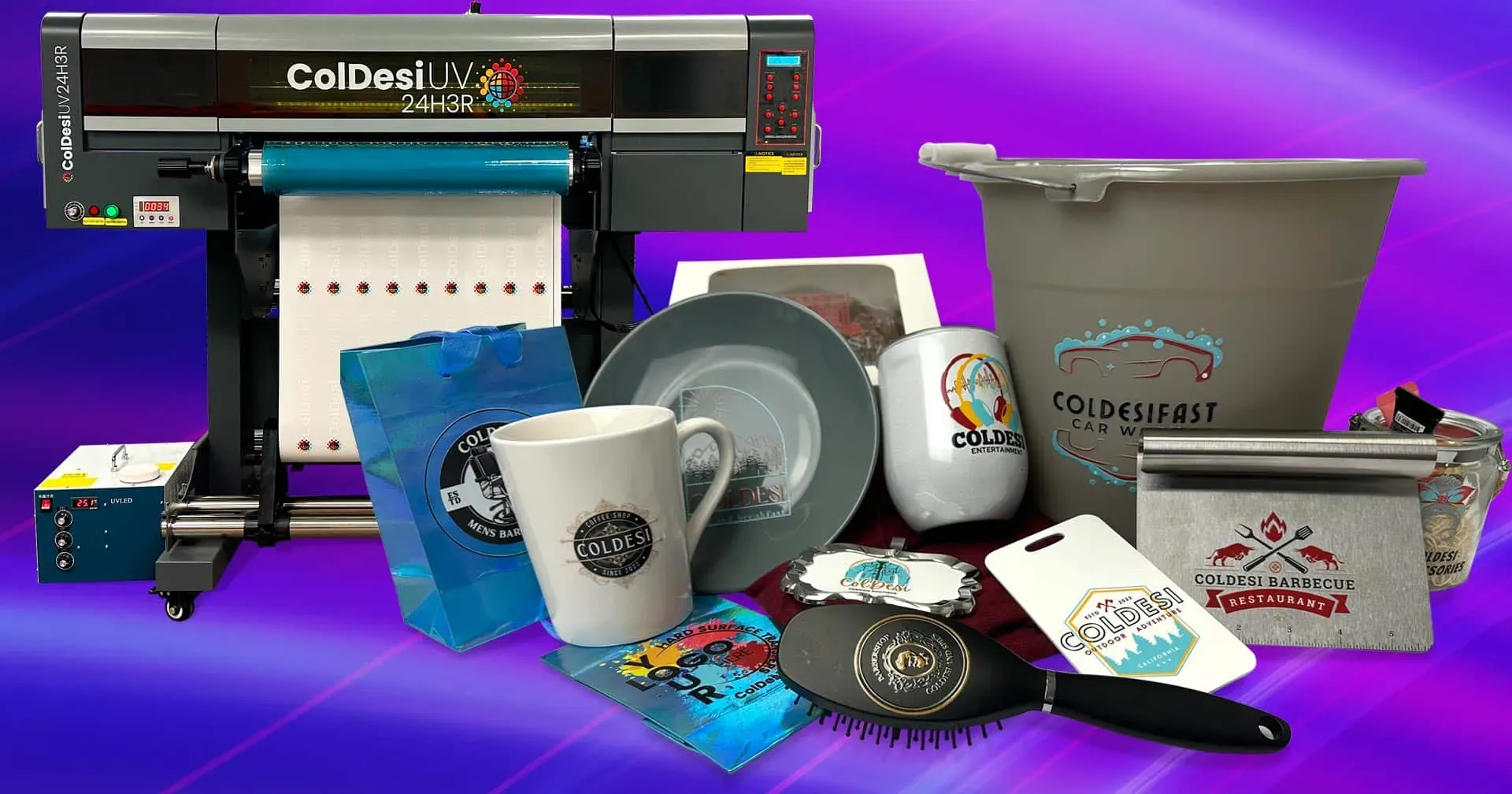
UV DTF printing is an innovative solution that represents a significant leap forward in high-quality printing methods. Unlike traditional printing techniques, which may struggle to deliver vibrant colors and intricate designs on various surfaces, UV DTF printing utilizes ultraviolet light to cure inks instantly, making it an efficient choice for businesses. This modern process not only excels in versatility, enabling prints on materials like textiles and metals, but also ensures exceptional durability for both indoor and outdoor applications. As we explore the pros and cons of UV DTF, it's crucial to understand how it stacks up against alternatives such as screen printing, particularly when considering digital printing advantages. With businesses increasingly seeking solutions that combine quality, speed, and sustainability, UV DTF printing stands out as a compelling option in the dynamic landscape of printing technology.
When discussing contemporary printing approaches, often referred to as UV direct-to-film printing, we uncover a range of benefits that challenge traditional methods. This modern technique provides a fresh perspective on high-resolution graphics and functionality, addressing the needs of a diverse market. As companies navigate comparisons between classic processes like screen printing and this advanced method, they can gain insights into the strengths and weaknesses inherent in each. The discussion around the pros and cons of UV DTF not only highlights its capabilities but also encourages a broader understanding of digital printing's place in the industry. By exploring these alternative terms and concepts, businesses can make more informed decisions when selecting the right printing solution for their unique requirements.
What is UV DTF Printing?
UV DTF (Direct-to-Film) printing is an innovative printing technique that utilizes ultraviolet light to cure inks as they are printed onto a specialized film. This process differentiates it from traditional printing methods, enabling it to deliver high-quality images with impressive detail and vibrant colors. One of its standout features is its adaptability, as it can be employed on a wide variety of surfaces, including textiles, plastics, and metals, making it a sought-after choice in industries ranging from fashion to signage.
The mechanics of UV DTF printing involve transferring ink directly onto a film, which is then cured by ultraviolet light instantly as it is printed. This on-the-spot curing eliminates the need for drying time traditionally associated with print processes. The result is an efficient workflow that allows businesses to meet tight deadlines while also ensuring that the finished products maintain excellent color fidelity and durability.
Benefits of UV DTF Gangheet Printing
One major advantage of UV DTF printing is its unrivaled versatility. It can seamlessly print on a broad range of materials, such as leather, glass, wood, and textiles, setting it apart from traditional printing methods like screen printing that are often limited in their material options. This flexibility opens up avenues for customization, enabling businesses to create unique products tailored to their customers' specifications.
In addition to versatility, UV DTF printing boasts remarkable durability. The UV curing process creates a resilient finish that is resistant to scratches, water, and various harsh environmental factors. This durability guarantees that printed items can endure daily wear and tear, making them suitable for both indoor and outdoor applications. Such longevity is an essential consideration for businesses looking to deliver quality products that stand the test of time.
Comparing UV DTF Printing to Traditional Methods
When comparing UV DTF printing to traditional methods, such as screen printing and offset lithography, one can quickly note that each technique has its unique strengths and weaknesses. Traditional methods, particularly screen printing, excel in cost-effectiveness for large-volume projects and have a long-established presence in the industry. However, these methods can be limited by the types of materials they can accommodate and may involve longer production timelines due to drying processes.
Likewise, while UV DTF printing offers rapid production speeds and the ability to work across various substrates, it may come with higher upfront costs and more complex workflows. Additionally, certain aspects of UV DTF printing, like the rigidity of its inks, may pose challenges when printing on flexible materials. This contrast highlights the importance of understanding project requirements and budgetary considerations before selecting a printing method.
Pros and Cons of UV DTF Printing
One of the leading pros of UV DTF printing is its ability to produce high-resolution outputs with stunning color vibrancy. Not only does it maximize detail in images, but it also allows for creative freedom in design without sacrificing quality. Businesses seeking to create eye-catching promotional materials or customized merchandise find this advantage particularly compelling as it helps them stand out in a competitive marketplace.
On the downside, the initial investment required for UV DTF printing equipment can be significant. For small businesses or those just starting in the field, the costs associated with purchasing the printer and necessary materials might be prohibitive. Furthermore, the inks used in UV printing tend to be pricier than those for traditional printing methods, increasing the cost-per-print and potentially limiting the feasibility of large projects.
Advantages of Digital Printing
Digital printing techniques, including UV DTF, present numerous advantages over traditional printing methods. Primarily, digital printing offers quick turnaround times, making it an optimal choice for projects with tight deadlines. The technology allows for on-demand printing, minimizing waste and ensuring that businesses can produce exactly what they need, when they need it.
Moreover, digital printing facilitates high-quality outputs with detailed graphics and rich colors. This is pivotal for businesses that depend on visual appeal to capture the attention of potential clients. With capabilities for short runs and personalized prints, digital methods empower companies to innovate their marketing efforts without the constraints typical of traditional techniques.
Screen Printing vs UV DTF: Which is Better?
The choice between screen printing and UV DTF printing often comes down to project specifics, including volume, material type, and budget constraints. Screen printing is lauded for its affordability and effectiveness in high-volume productions, particularly when uniformity and consistency in color are paramount. Nevertheless, it struggles with material versatility and can lead to longer turnaround times due to its drying requirements.
Conversely, UV DTF printing excels in material adaptability and output quality but can require more initial investment. Businesses may find that for specialty items or small runs, UV DTF is a favorable option due to its vibrant results and quick production capability. Ultimately, the decision involves evaluating the specific needs of the project and understanding the strengths and drawbacks of each method.
Frequently Asked Questions
What are the advantages of UV DTF printing compared to traditional printing techniques?
UV DTF printing offers several advantages over traditional printing techniques, including versatility on various materials, high durability, and rapid production speeds. It produces vibrant colors and intricate details, making it ideal for high-quality graphics. Additionally, UV DTF inks are often less toxic, providing an environmentally friendly alternative.
How does UV DTF printing compare with screen printing?
When comparing UV DTF printing to screen printing, UV DTF excels in versatility and speed. While screen printing is cost-effective for large volumes, UV DTF can print on a wider range of materials and offers quicker turnaround times due to its immediate drying process. However, screen printing can achieve higher color density in certain cases.
What are the disadvantages of UV DTF printing?
Despite its benefits, UV DTF printing has a few disadvantages. The initial investment is higher due to equipment costs, and some flexible materials may not adhere well to UV inks. Additionally, the ink tends to be more expensive, and post-processing may be required to enhance flexibility or print quality.
Is UV DTF printing suitable for all types of materials?
While UV DTF printing is versatile and works on a variety of substrates, there are limitations. Certain flexible materials may not work well with rigid UV inks, which can restrict its application. It is best suited for materials like textiles, plastics, and metals but may not be ideal for every type of fabric.
What are the key differences in cost between UV DTF printing and traditional printing methods?
UV DTF printing typically has higher initial costs due to the equipment and ink prices. In contrast, traditional printing methods like screen printing may offer lower costs per unit for bulk orders. However, businesses should consider the volume and material requirements when analyzing overall expenses.
Can UV DTF printing produce high-quality images?
Yes, UV DTF printing is known for its exceptional output quality. It can achieve vibrant colors and intricate designs, often surpassing the quality of traditional printing techniques. This makes it an ideal choice for businesses that require high-resolution graphics and detailed imagery.
| Aspect | UV DTF Printing | Traditional Printing Techniques |
|---|---|---|
| Versatility | Prints on a wide range of materials including textiles, plastics, and metals. | Limited to specific materials like paper and certain textiles. |
| Durability | Highly durable with scratch resistance and suitable for outdoor use. | Less durable, especially in harsh conditions compared to UV DTF. |
| Production Speed | Immediate drying allows for rapid production turnaround. | Longer drying times extend project timelines. |
| Quality Output | Exceptional quality with vibrant colors and intricate details. | Reliable quality, but generally lower in vibrancy compared to UV DTF. |
| Eco-friendliness | Less toxic UV inks available, promoting sustainability. | Often use solvent-based inks which are less eco-friendly. |
| Initial Costs | Higher initial investment for equipment and materials. | Cost-effective for high volume projects due to lower per-unit costs. |
| Flexibility | Limited adherence to certain flexible materials. | Generally compatible with a broader range of flexible materials. |
| Post-Processing Needs | May require extra finishing processes for flexibility. | Typically more straightforward processes with less post-processing. |
| Ink Costs | More expensive inks result in a higher cost per print. | Lower ink costs, which can be beneficial for budget-conscious businesses. |
Summary
UV DTF printing is revolutionizing the world of modern printing by offering businesses a versatile, durable, and fast solution for their printing needs. This innovative process efficiently cures inks with ultraviolet light, allowing for high-quality prints on a variety of surfaces. The advantages include exceptional color vibrancy and durability, making it suitable for both indoor and outdoor applications. However, companies must consider the initial investment and potential limitations in material flexibility. Overall, as businesses evaluate their printing options, understanding the strengths and weaknesses of UV DTF printing compared to traditional techniques will enable them to make informed choices tailored to their specific requirements.