
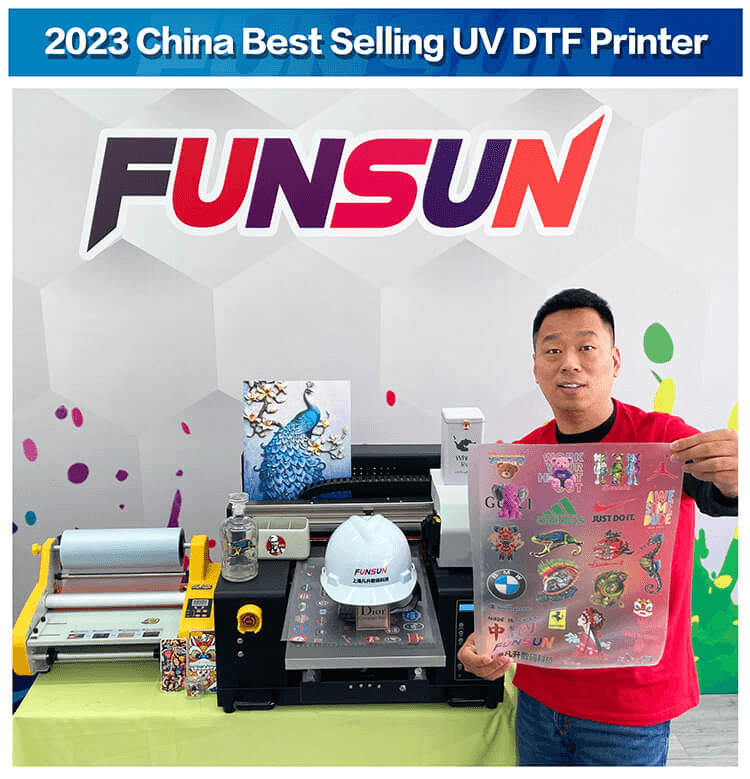
UV DTF printing is revolutionizing the way we approach graphic and textile designs by combining the precision of digital printing with the benefits of traditional methods. This innovative technology utilizes UV-curable inks, which allow for vibrant colors and exceptional durability in prints that can adhere to a range of substrates. As businesses look to enhance their output quality, understanding the vital aspects of UV DTF printer setup and effective UV DTF inks management becomes essential. With a focus on the UV DTF curing process, printers can optimize their techniques to achieve perfect UV DTF prints that meet or exceed the highest industry standards. In this guide, we will walk you through the process of perfecting your UV DTF prints, ensuring your work not only shines but also stands the test of time.
Direct to film UV printing represents a cutting-edge method in the realm of digital printing, leveraging the strengths of both conventional and modern printing techniques. By employing specialized UV-curable inks, this approach enables flawless adhesion on a variety of materials, delivering prints with striking clarity and remarkable longevity. To truly master this technique, familiarity with the intricacies of printer setup, ink management, and the curing process becomes vital for achieving impressive results. Whether you are a seasoned professional or just starting in the printing world, the journey to producing exceptional DTF prints begins with a solid understanding of these foundational elements. This comprehensive guide will equip you with the knowledge needed to elevate your UV DTF printing skills and create standout products.
Understanding the Basics of UV DTF Printing
UV Direct to Film (DTF) printing is a modern solution that enhances both graphic and textile printing. By utilizing unique UV-curable inks, this printing method can create high-resolution designs that adhere to a diverse range of substrates, making it ideal for various applications from apparel to signage. The technology combines the advantages of traditional printing methods with digital precision, yielding stunning, durable outputs that stand the test of time.
The versatility of UV DTF printing has contributed to its rising popularity in the industry. Printers can produce vibrant colors and intricate details that are often unattainable with standard inkjet printing. Additionally, because the curing process occurs immediately upon exposure to UV light, these prints can be handled almost instantly, allowing for a faster turnaround time on projects.
Frequently Asked Questions
What are the best practices for UV DTF printer setup?
To ensure optimal UV DTF printer setup, regularly clean and calibrate your printer to maintain the ideal pressure and height settings. Invest in high-quality printing equipment specifically designed for UV DTF printing to maximize results.
How can I effectively manage UV DTF inks for better prints?
Effective UV DTF inks management involves following manufacturer recommendations for ink type, storing inks in controlled temperatures, and performing regular checks for viscosity and nozzle clogs. This approach helps maintain print quality and consistency.
What is the importance of the UV DTF curing process?
The UV DTF curing process is crucial for ensuring proper adhesion and durability of prints. Utilizing the correct UV curing equipment and aligning the lamp accurately with the substrate enhances the curing efficiency, leading to better overall print quality.
How can I improve the quality of my UV DTF prints?
To improve your UV DTF prints, focus on selecting the right transfer films, maintaining environmental conditions, and continuously adjusting your techniques based on test prints. Also, gather feedback from clients to refine your process.
What should I consider when choosing transfer film for UV DTF printing?
When selecting transfer film for UV DTF printing, ensure compatibility with UV inks, opt for thicker films to prevent ink bleed, and choose films with surface coatings that enhance ink adhesion for improved final product durability.
How do temperature and humidity affect UV DTF printing results?
Temperature and humidity play a significant role in UV DTF printing. Maintaining a temperature of 20-25°C and moderate humidity helps preserve ink flow and improves adhesion properties, ultimately leading to higher quality prints.
| Step | Key Focus Areas | Tips for Success |
|---|---|---|
| 1 | Proper Printer Setup | - Regular cleaning to avoid ink buildup - Calibration for ideal pressure and height settings - Invest in quality equipment for best outcomes. |
| 2 | Choosing the Right Film | - Ensure film compatibility with UV DTF - Opt for thicker films to prevent ink bleed - Prefer coated films for better ink adhesion. |
| 3 | Ink Management | - Use manufacturer-recommended inks - Store inks in temperature-controlled conditions - Regularly check ink levels to avoid clogs. |
| 4 | Temperature and Humidity Control | - Maintain 20-25°C temperature - Control humidity for optimal ink flow and adhesion. |
| 5 | Curing Process | - Use UV curing lamps suited for your setup - Ensure proper alignment of lamp - Adjust speed to match substrate thickness. |
| 6 | Post-Print Handling | - Allow prints to cool to avoid smudges - Test film adhesive quality before final application. |
| 7 | Testing and Adjustments | - Conduct regular test prints for accuracy - Examine each print for quality checks. |
| 8 | Feedback and Continuous Improvement | - Use client feedback to refine techniques - Establish routines for regular improvement. |
Summary
UV DTF printing is an innovative method that combines the best features of digital and screen printing, and perfecting your prints is essential to achieving high-quality outputs. By following the detailed steps outlined in this guide, from setting up your printer correctly to managing inks and controlling environmental factors, you’re positioned to create vibrant and durable designs. Continuous learning and feedback play significant roles in enhancing your UV DTF printing techniques, helping you stay at the forefront of the industry. With dedication and the right approach, your UV DTF prints will not only meet but exceed your expectations and those of your clients.