
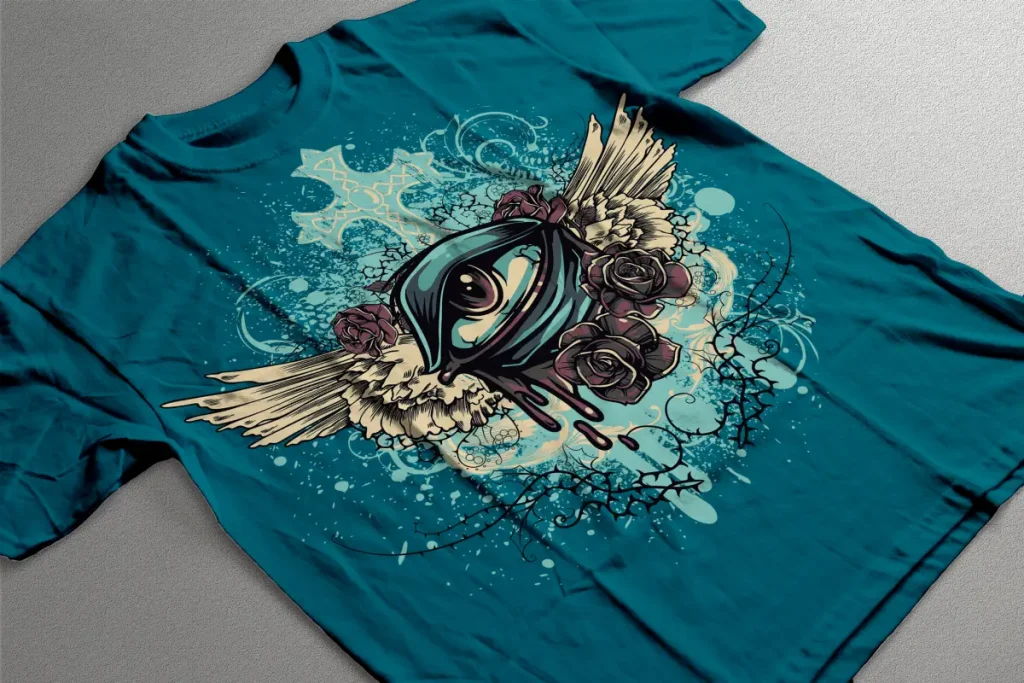
Navigating the fast-paced world of custom apparel production requires reliable methods that combine efficiency with retail-grade quality. Whether you run an independent streetwear label or manage bulk corporate merchandise, staying competitive means embracing technologies that reduce setup times without compromising on vivid colors or durability. This is where high-quality dtf transfers come into play, offering a revolutionary alternative to traditional screen printing and vinyl weeding. By eliminating the need for complex color separations and messy emulsion setups, modern DTF technology allows businesses to execute intricate, multi-colored designs on a massive variety of fabrics with absolute precision.
The Evolution of Fabric Decoration: Embracing Modern Printing Solutions
For years, garment decorators had to choose between the high setup costs of screen printing and the rigid texture of vinyl transfers. Screen printing delivers great longevity but becomes financially draining for small batches due to screen preparation. Conversely, direct-to-garment options often fail to deliver vibrant whites on dark polyester fabrics. Direct-to-film production neatly bridges this gap, providing a stretchable, ultra-thin ink layer that adheres seamlessly to almost any textile composition.
The core process involves printing a digital design onto a specialized polyethylene terephthalate carrier film using premium pigment inks. A unique hot-melt polyurethane adhesive powder is then applied to the wet ink layer and cured under controlled heat. When pressed onto a garment, this adhesive fuses deep into the fabric fibers, resulting in a finish that easily withstands rigorous washing cycles without cracking or peeling. Because the process is entirely digital, you can combine photographic details, gradients, and sharp vector text within a single design layout.
Sourcing Premium Prints Locally: Finding the Ideal Production Center
When sudden bulk orders strike or unexpected rush jobs emerge, waiting for international freight shipping can severely disrupt your business operations. Smart apparel decorators realize that finding dependable dtf transfers near me changes the game entirely, allowing for rapid turnaround times and lower shipping costs. Local production hubs give you the agility to handle last-minute corporate events or spontaneous community gatherings without missing a single deadline.
If you are specifically looking to secure the absolute best dtf transfer at Houston commercial zones have to offer, you must evaluate print houses based on their hardware infrastructure and quality control protocols. High-end commercial production centers utilize wide-format industrial printers equipped with specialized circulation systems for white ink. This prevents clogging and ensures that every single sheet features a dense, opaque white backing layer, which is vital for preventing the underlying fabric color from bleeding through your vibrant graphics.
Maximizing Efficiency and Profit with Strategic Gang Sheets
One of the biggest financial advantages of using a dedicated Houston dtf transfer provider is the ability to submit custom gang sheets. A gang sheet is simply a layout strategy where you combine multiple distinct graphics onto a single wide continuous roll of film. Instead of paying for individual single-image cutouts, you maximize every square inch of printable space by packing your logos, neck labels, chest prints, and sleeve designs tightly together.
To get the most out of your gang sheets, follow these professional design principles:
- Maintain a minimum spacing of 0.5 inches between distinct graphics to allow for easy cutting and preparation before pressing.
- Ensure all imported images are saved at their actual physical print dimensions with a baseline resolution of 300 DPI to avoid pixelation.
- Double-check that all backgrounds are entirely transparent, ensuring no stray white pixels or faint borders remain around your design edges.
- Convert all text elements to vector outlines to maintain perfectly sharp typography during the high-speed printing phase.
A Professional Checklist for Flawless Heat Press Application
Even the highest quality film will fail to yield professional results if the final application process is rushed or imprecise. Achieving a retail-ready finish that lasts for dozens of washes requires strict adherence to temperature, pressure, and timing variables. Use this step-by-step commercial workflow to guarantee structural integrity on every garment:
- Eliminate Hidden Moisture: Place your blank apparel onto the heat press lower platen and clamp it down for 5 to 8 seconds. This pre-pressing step removes latent humidity and smooths out deep creases, ensuring optimal adhesive bonding.
- Perfect Alignment: Center your printed carrier sheet onto the target area with the textured, powder-coated side resting directly against the fabric face.
- Execute the Primary Press: Apply heavy, even pressure (roughly 50 to 60 PSI) at a temperature range of 285°F to 315°F (140°C to 157°C). Maintain this press for a solid 12 to 15 seconds depending on the fabric density.
- Cooling and Stripping: If using a cold-peel film, remove the garment from the platen completely and wait until the sheet returns to room temperature before smoothly peeling the plastic carrier back in a single motion.
- The Vital Finishing Press: Place a piece of premium parchment paper or a protective non-stick sheet directly over the exposed print and press for an additional 5 seconds. This final step drives the ink deeper into the weave and removes any unnatural synthetic shine.
Frequently Asked Questions Regarding Custom Apparel Transfers
What types of materials can these advanced film transfers be applied to?
Unlike traditional methods that struggle with specific fabric types, modern film prints can be applied successfully to almost any textile. This includes 100% ring-spun cotton, performance polyester, nylon windbreakers, heavy canvas bags, denim, and various poly-acrylic synthetic blends. Always adjust your heat press temperature downward when working with highly sensitive synthetic performance wear to prevent scorching.
Why do some graphics peel away from the shirt after the first wash cycle?
Premature peeling or edge lifting is almost always a direct result of improper heat press calibration. Many older or lower-tier machines develop internal cold spots or fail to deliver true, heavy downward pressure. Utilizing an external infrared thermometer helps verify that your heating platen matches the digital readout, ensuring the thermoplastic powder melts completely into the fabric fibers.
How should customers care for their finished custom garments?
To maximize the long-term lifespan of the custom graphic, garments should be washed inside out using cold water cycles and mild household detergents. Avoid the use of aggressive chlorine bleaches or heavy commercial fabric softeners. When it comes to drying, air drying or utilizing low-temperature tumble settings will keep the print looking brand new for years.
Can vector graphics and photographic elements be mixed on the same sheet?
Yes, because the system relies on fully digital wide-format inkjet technology, you can easily combine complex photographic textures, transparent gradients, and crisp vector typography on the exact same layout sheet without experiencing any drop in production speed or sharpness.
Ready to streamline your internal production pipeline, eliminate tedious vinyl weeding bottlenecks, and elevate your custom apparel brand to premium heights? Partner with Harwin DTF today to secure high-contrast prints, fast regional processing, and reliable technical expertise designed to keep your business running smoothly through every peak season.