
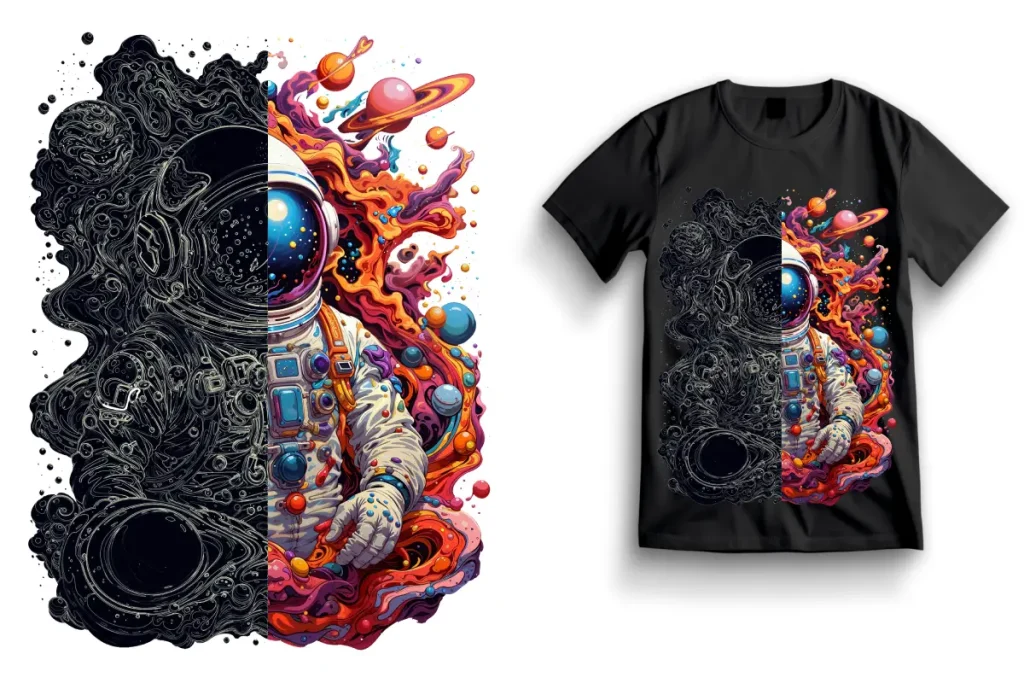
Running a custom apparel business means constantly racing against tight deadlines and high client expectations. When a massive bulk order drops or a local brand needs a quick restock, waiting weeks for overseas shipping channels can completely derail your momentum. This is exactly why apparel decorators, Etsy shop owners, and local sports leagues are pivoting to premium, ready-to-press dtf transfers to keep their workflows smooth. Direct-to-film printing has fundamentally transformed the garment decoration industry by removing the limitations of traditional screen printing and vinyl weeding. If you are aiming to deliver exceptional color accuracy and stretchable prints without the headache of high minimum order quantities, mastering the nuances of modern DTF technology is your ultimate competitive advantage.
The Direct-to-Film Advantage: Why Modern Brands are Moving Away from Screen Printing
For decades, commercial apparel shops relied heavily on screen printing or direct-to-garment (DTG) methods. While those traditional paths have their place, they bring significant bottlenecks. Screen printing demands lengthy setup times, emulsion burning, and tedious cleanup, making short runs financially draining. On the flip side, DTG often struggles with synthetic fibers like 100% polyester, requiring specialized pretreatments that alter the soft feel of the fabric. This is where DTF systems completely rewrite the playbook.
The magic of this technique lies in its versatility. The design is printed directly onto a specialized pet carrier film using advanced pigment inks, coated with a heat-activated polyurethane adhesive powder, and cured. The result is a highly durable heat transfer that bonds flawlessly to almost any textile surface, including:
- 100% combed cotton and ringspun cotton
- Performance polyester and athletic moisture-wicking materials
- Nylon windbreakers, canvas tote bags, and rugged denim jackets
- Tricky poly-acrylic blends and fleece hoodies
Because the ink layer bonds seamlessly with the melted thermoplastic powder, the completed graphic boasts an incredible degree of stretchability. When applied correctly at the proper temperature and pressure, these graphics resist cracking, peeling, and fading, easily outlasting fifty or more intense wash cycles.
Sourcing Locally: How to Pick the Best DTF Transfer at Houston Facility
Locating a highly reliable regional production house is the secret weapon for scaling a local Texas brand. If you are actively seeking the absolute best dtf transfer at Houston storefronts can provide, you must look beyond just the lowest price per square inch. True quality relies on pristine machine linearization, strict adherence to color management protocols, and ultra-bright white backing layers that prevent fabric dye migration.
When evaluating professional commercial print facilities in the Lone Star State, your checklist should prioritize shops utilizing high-end industrial printheads rather than converted desktop systems. True industrial setups ensure that fine lines, delicate gradients, and photorealistic details are captured perfectly without ink splattering. Sourcing your materials locally across the region protects your business from unexpected freight delivery bottlenecks, allowing you to restock your pressing station in mere hours when a specific custom item unexpectedly goes viral online.
Unlocking Cost Efficiency with Gang Sheets
If you want to maximize your profit margins, utilizing a gang sheet builder is an absolute necessity. A gang sheet is simply a formatting method where you arrange multiple distinct designs across a single wide continuous roll of film. Instead of buying individual single sheets for every logo, you pack your layout tightly to utilize every available inch of printable space.
Modern local facilities allow you to create gang sheets up to 22 inches wide and stretching up to 240 inches in length. This layout strategy is exceptionally advantageous for varied orders where you need corporate left-chest logos, oversized back graphics, and custom neck labels all printed simultaneously. By minimizing film waste, you significantly lower your baseline production cost, enabling you to offer highly competitive pricing to your retail customers while pocketing a healthy profit.
Step-by-Step Guide to Achieving a Perfect, Long-Lasting Press
Even the highest-grade film will fail if your heat press execution is flawed. Direct-to-film graphics require an exact harmony of temperature, firm pressure, and strict timing to achieve proper cross-linking with the garment fibers. Follow this professional workflow to guarantee flawless production every single time:
- Pre-Press the Garment: Place your blank apparel on the lower platen and clamp it down for 5 to 7 seconds. This crucial step completely drives out latent moisture and flattens out deep wrinkles, ensuring the adhesive powder meets a perfectly smooth surface.
- Position the Film: Align your layout carefully. Ensure the text face is right-side up and the textured, powder-coated side is resting directly flat against the textile.
- The Primary Press: Set your commercial heat press between 285°F and 320°F (140°C to 160°C), depending on your specific fabric’s heat sensitivity. Apply solid, heavy pressure (around 50 to 60 PSI) for exactly 10 to 15 seconds.
- The Cooling Window: If you are working with a classic cold-peel film, remove the garment from the press and allow it to cool down completely to room temperature before attempting to strip away the carrier plastic. For modern instant-peel sheets, wait a few seconds for the surface tension to settle before performing a smooth, continuous pull.
- The Post-Press Cure: Place a sheet of premium parchment paper or a silicone protective shield directly over the newly exposed print and press for an additional 5 seconds. This locks the edges deep into the weave, drastically enhancing wash durability and eliminating any synthetic sheen.
The Proximity Benefit: Why Searching for DTF Transfers Near Me Saves Your Business
When you are handling last-minute corporate event orders or rushed sports team uniforms, waiting around for nationwide ground shipping is a massive gamble. Actively searching for the top-rated dtf transfers near me connects your workflow directly with local printing hubs that can offer convenient same-day local locker pickups or rapid regional courier drop-offs.
Working alongside an expert provider like Harwin DTF allows you to bypass production queues and speak directly with skilled technical designers who can inspect your vector files for transparency artifacts, pixelation, or resolution errors before the ink hits the film. This localized care keeps your operations agile, enabling you to say yes to lucrative rush jobs that your competitors are forced to turn down due to shipping limitations.
Dominate Your Local Market with Premium Houston DTF Transfer Services
The competitive landscape for local apparel decoration across Texas demands fast execution and vivid presentation. Investing in a premium Houston dtf transfer provider gives you instant access to advanced G7 color standards and ultra-bright white inks with outstanding mechanical stretch capacity. Whether you are running a boutique apparel brand out of your garage or managing a heavy commercial screen shop that needs to offload complex multi-color designs, direct-to-film solutions offer the scalability you need without requiring massive capital investments in expensive multi-color machinery.
Frequently Asked Questions About Direct-to-Film Transfers
Can I apply these graphic films using a standard household iron?
While it is technically possible for small hobby crafts, using a household iron for retail products is highly discouraged. Household irons cannot provide the consistent, even heat and heavy, measured downward pressure required to properly melt and cure the heavy thermoplastic powder. To guarantee long-term industrial wash durability, a professional clamshell or swing-away heat press is highly recommended.
What graphic file formats provide the cleanest print results?
To achieve razor-sharp edges and beautiful color registration, you should always submit high-resolution vector artwork files saved in PDF, EPS, or SVG formats. If you are exporting raster images like PNGs, ensure the file is built at its actual printing size with a minimum resolution of 300 DPI and features a completely transparent background with no stray background pixels.
How should finished custom apparel be washed to maximize print lifespan?
To keep the graphics looking brand new for years, advise your retail customers to turn the garment inside out before tossing it into the washing machine. Wash using cold water cycles alongside mild detergents, and avoid heavy bleach treatments or intense fabric softeners. For drying, tumble dry on low heat settings or line dry whenever possible.
Why do some film graphics crack after the very first wash cycle?
Premature cracking or peeling is almost always caused by insufficient pressure during the primary press or an inaccurate temperature reading on the heating element. Many older heat presses develop cold spots over time. Using an external infrared thermometer to calibrate your press ensures the adhesive reaches its necessary melting threshold to form a permanent bond with the fabric weave.
Ready to upgrade your production workflow, eliminate weeding frustrations, and scale your apparel business to brand new heights? Partner with Harwin DTF today to secure pristine prints, fast turnarounds, and top-tier technical support tailored for real business deadlines.