
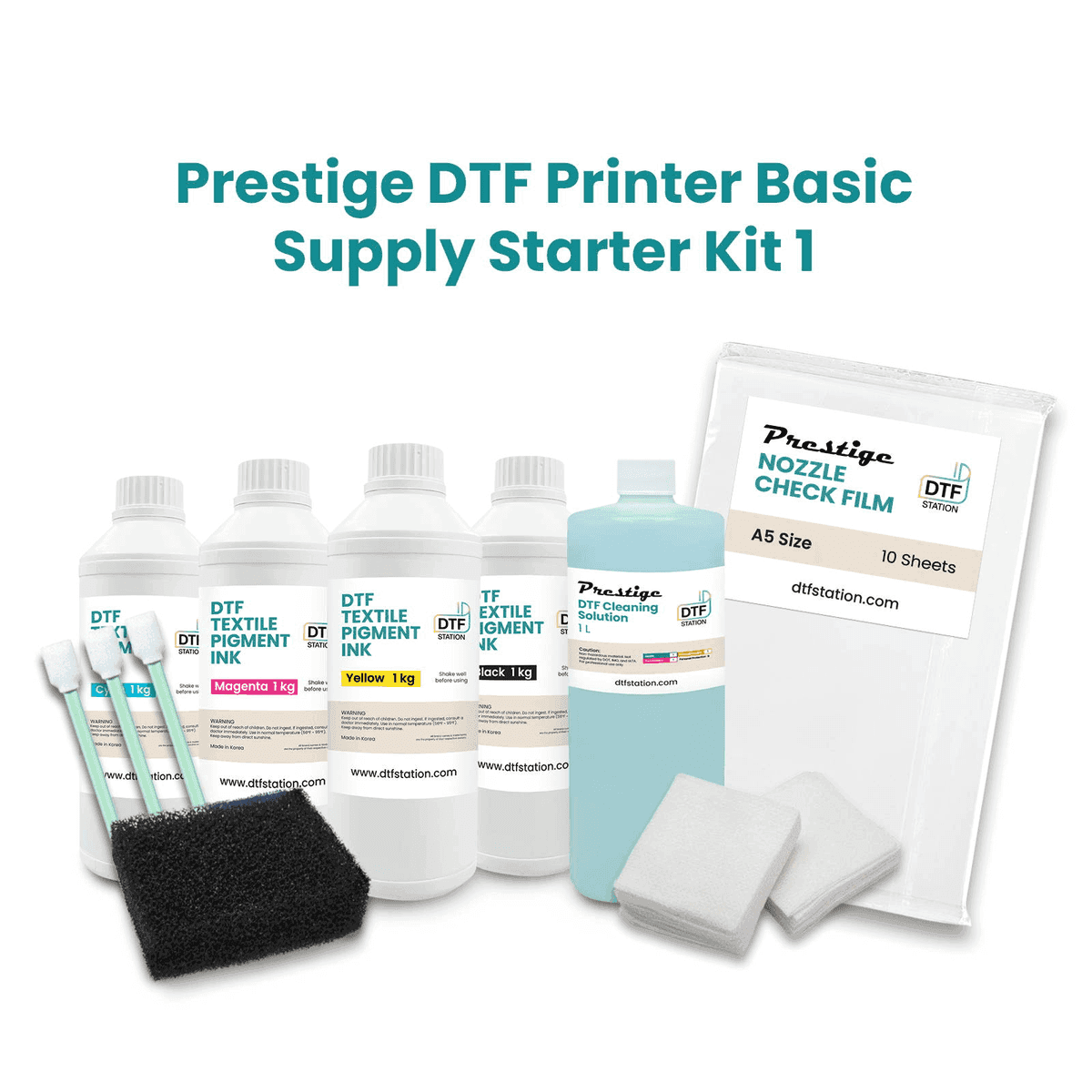
DTF supplies have rapidly transformed the printing world, offering a dynamic solution for apparel and custom prints. Direct-to-Film printing harnesses innovative technologies, allowing vivid designs and sustainable practices to flourish. From DTF inks to specialized compact DTF printers, these supplies ensure high-quality results without sacrificing environmental responsibility. As businesses increasingly look for affordable printing solutions, understanding DTF supplies becomes vital for success in today’s competitive landscape. This guide will explore the essential components and recent trends in DTF printing, paving the way for informed decisions whether you're a seasoned pro or a newcomer in the industry.
In the realm of contemporary printing methods, Direct-to-Film (DTF) printing stands out as an innovative approach aligned with eco-friendly practices. This method utilizes specially designed inks and transfer films to achieve stunning results on various fabrics, pushing the boundaries of traditional printing applications. Within this technology, DTF supplies play a critical role, encompassing everything from high-quality inks to efficient printing equipment. With the advent of compact printers and sustainable print formulations, the world of DTF is becoming increasingly accessible to small businesses and creative entrepreneurs. As the landscape evolves, leveraging these vital resources will pave the way for remarkable advancements in custom printing.
Exploring Direct-to-Film Inks for Quality Assurance
Direct-to-Film (DTF) inks are a crucial component in the DTF printing process, designed to deliver exceptional color accuracy and durability on a variety of fabrics. These specially formulated inks ensure that prints remain vivid and sharp, even after multiple washes, making them ideal for apparel manufacturers looking for high-quality outputs. The key to their effectiveness lies in their ability to bond well with both the transfer films and the fabric, resulting in prints that not only look striking but also withstand the test of time.
In addition to vibrancy, DTF inks also prioritize eco-friendliness, aligning with the growing demand for sustainable printing practices. Manufacturers are innovating to create formulations that use less harmful chemicals, reflecting a commitment to environmental stewardship. As the market evolves, businesses focused on high-quality, sustainable inks stand to gain a competitive edge, as consumers increasingly prioritize products that are not only visually appealing but also environmentally sound.
The Importance of Transfer Films in DTF Printing
Transfer films serve as the critical intermediary in the DTF printing process, where designs are first printed before being transferred onto the desired fabric. These films are coated with specific adhesives that enable the DTF inks to bond effectively. The choice of transfer film significantly impacts the final print quality; selecting the right type ensures that prints transfer smoothly and retain their vibrancy after application.
Moreover, advancements in transfer film technology have led to improved performance and flexibility, allowing for a broader range of applications, including intricate designs and multiple fabric types. As the industry pushes towards higher standards, utilizing high-quality transfer films becomes an essential part of achieving successful DTF printing outcomes.
Sustainable Practices in DTF Printing Technology
Sustainability is at the forefront of innovation in DTF printing technology. With increasing pressure to reduce waste and minimize environmental impact, businesses are adopting DTF printing as a more eco-conscious alternative to traditional methods. DTF printing significantly cuts down on ink waste and eliminates the need for extensive setups, making it a more efficient choice for garment production.
Brands adopting sustainable practices within their DTF printing processes are finding they can enhance their marketability while appealing to a consumer base that prioritizes eco-friendly products. This shift towards sustainability not only contributes positively to brand reputation but also aligns with a larger movement towards responsible consumption within the textile industry.
Affordable Printing Solutions with DTF Supplies
One of the standout features of DTF printing supplies is their affordability, especially for small businesses and startups looking to enter the custom apparel market. The introduction of compact DTF printers has made this technology more accessible, allowing those with limited budgets to invest in high-quality printing solutions. These budget-friendly options often come equipped with everything needed to start printing, further lowering the barrier to entry.
As the demand for personalized products rises, the cost-effectiveness of DTF printing supplies opens up opportunities for entrepreneurs to tap into niche markets. The ability to produce vibrant, high-quality prints without significant overhead costs can be a game-changer for small operations aiming to compete with larger entities in the apparel market.
Advancements in Compact DTF Printers
The recent surge in demand for on-demand printing is fueling innovations in compact DTF printers designed specifically to meet the needs of small businesses and home operations. These printers are not only space-efficient but also offer robust functionality that allows users to execute high-quality prints without requiring extensive resources. Their compact design provides the flexibility to operate in limited spaces, which is a significant advantage for entrepreneurs.
Moreover, advancements in technology are ensuring that these printers do not compromise performance. Many new models incorporate user-friendly interfaces, high-speed printing capabilities, and improved ink utilization, allowing even novice users to achieve professional-level results. This progression is pivotal for empowering aspiring business owners to leverage DTF printing technology effectively.
The Future of DTF Printing and Industry Trends
As the DTF printing industry continues to evolve, it is clear that trends are leaning towards greater integration of technology and sustainability. Innovations in ink formulations, printer design, and the overall printing process are creating a vibrant ecosystem for both established companies and newcomers in the market. Staying informed about these trends is crucial for businesses looking to remain competitive and relevant.
Furthermore, the growing inclination towards sustainable practices is reshaping consumer expectations, making it essential for brands to adapt. The ability to offer eco-friendly printing solutions could soon become a defining factor in a brand's market presence. With continuous advancements in DTF printing, businesses that embrace these changes are poised to be at the cutting edge of the industry.
Frequently Asked Questions
What are DTF supplies and what do they include?
DTF supplies refer to all the essential components needed for Direct-to-Film printing, which includes DTF inks, transfer films, printers, and heat press units. These items come together to facilitate the process of printing designs onto various fabrics, offering a versatile and efficient solution for custom prints.
How do DTF inks enhance the printing process?
DTF inks are specially formulated to adhere well to transfer films and fabrics, resulting in vibrant colors and excellent durability. These inks are designed for high fidelity, ensuring that the printed designs maintain their vibrancy over time, making them ideal for a variety of applications in the apparel and textile industries.
What are the benefits of using compact DTF printers?
Compact DTF printers are designed to cater to small businesses and individual entrepreneurs, making Direct-to-Film printing more accessible. Their efficient design allows for on-demand printing, supporting the growing trend of custom apparel without requiring extensive space or resources, thus providing affordable printing solutions to a wider audience.
How is DTF printing contributing to sustainable printing practices?
DTF printing technology significantly minimizes waste compared to traditional methods, aligning with the shift towards sustainable printing. Many suppliers are adopting eco-friendly advancements in DTF supplies, appealing to consumers who prioritize environmental consciousness in their purchases.
Can DTF supplies be used on different types of fabrics?
Yes, DTF supplies are highly versatile and can be utilized on a wide range of fabrics, including cotton, polyester, and blends. This flexibility makes DTF printing suitable for various applications, such as apparel, home textiles, and promotional products.
What recent advancements have been made in DTF inks?
Recent advancements in DTF inks include formulations that prioritize high fidelity, durability, and vibrancy. Manufacturers, like Prism Inks, continue to innovate these inks to ensure they meet market demands for quality, allowing businesses to produce lasting and eye-catching designs.
| Key Component | Description |
|---|---|
| DTF Inks | Specially formulated inks offering vibrant colors and durability. |
| Transfer Films | Films for applying DTF prints before heat transfer to fabrics. |
| Printers | Specialized digital printers designed for DTF operations. |
| Heat Press Units | Machines to apply heat and pressure during transfer. |
| Sustainable Practices | DTF technology minimizes waste, appealing to eco-conscious consumers. |
| Advanced Ink Formulations | Enhanced inks providing high fidelity and durability. |
| Cost-Effective Solutions | Affordable printers like the LOKLiK iPrinter make DTF more accessible. |
| Compact Printer Innovations | New compact printers designed for on-demand apparel markets. |
Summary
DTF supplies are revolutionizing the printing industry by offering innovative solutions that prioritize sustainability and quality. With the advancement of Direct-to-Film technology, businesses can now access a range of robust tools that enhance printing capabilities. From specialized inks and versatile films to cost-effective printers, DTF supplies simplify the printing process while supporting environmentally friendly practices. This evolution not only meets the growing demand for high-quality custom prints but also aligns with contemporary consumers' values, thus ensuring that businesses utilizing DTF supplies remain competitive in a dynamic marketplace.