
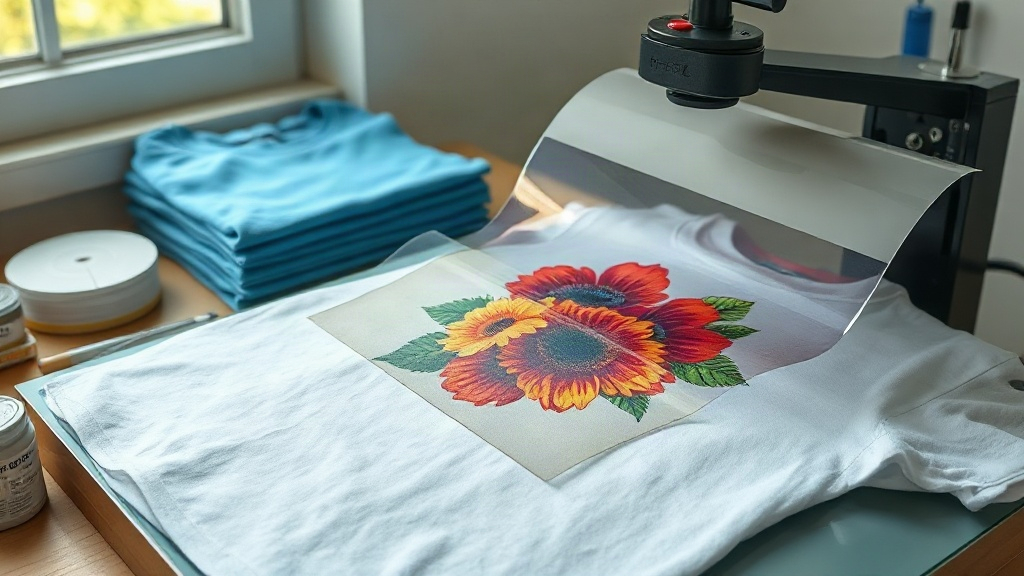
When you first dive into the world of custom apparel, the options can feel overwhelming. Screen printing, heat transfer vinyl, sublimation, and now DTF transfers all compete for your attention. But if you’re looking for a method that handles intricate designs, works on almost any fabric, and doesn’t require a full setup for each color, DTF transfers are a game-changer. In this guide, I’ll share what I’ve learned from countless hours of printing on blanks like Shaka Wear and Smart Blanks, so you can avoid common pitfalls and get professional results every time.
What Are DTF Transfers and Why They Matter
DTF stands for Direct to Film. The process involves printing your design onto a special PET film using a DTF printer, coating it with a hot-melt adhesive powder, and then curing it. The result is a transfer that can be applied to fabrics with a heat press. Unlike DTG or screen printing, DTF doesn’t require pre-treatment or specific fabric blends. It adheres beautifully to cotton, polyester, blends, and even nylon. That versatility is why so many creators are switching to DTF.
One of the biggest advantages is the ability to produce full-color designs without the cost of multiple screens. A single DTF transfer can include gradients, fine lines, and photographic details. Plus, the durability is impressive: when applied correctly, the print survives dozens of washes without fading or cracking.
Choosing the Right Blank: Shaka Wear vs. Smart Blanks
Not all blanks are created equal. The fabric content, weight, and weave affect how DTF transfers adhere and feel. Two popular options among apparel decorators are Shaka Wear and Smart Blanks. Let’s break down what makes each unique.
Shaka Wear: Heavyweight and Streetwear-Ready
Shaka Wear is known for its heavyweight cotton tees, often 6.5 oz or more. The dense knit provides a smooth surface that DTF transfers love. Because the fabric is thick, it can handle higher heat and pressure without scorching. I’ve found that prints on Shaka Wear tees look bold and opaque, with a slight texture that feels premium. If you’re targeting the streetwear market, Shaka Wear is a solid choice.
Smart Blanks: Soft, Lightweight, and Budget-Friendly
Smart Blanks offers a softer, lighter feel, typically around 4.3 oz. These shirts are ring-spun and come in a wide range of colors. The smoother surface means DTF transfers sit very flat, giving a nearly screen-printed look. However, because the fabric is thinner, you need to be careful with heat settings to avoid scorching. I recommend a lower temperature (around 300°F) and a shorter press time. When dialed in, the results are excellent for retail and promotional wear.
Step-by-Step DTF Application on Shaka Wear and Smart Blanks
Getting a perfect transfer isn’t magic; it’s about following a repeatable process. Here’s the method I use for both Shaka Wear and Smart Blanks.
- Preheat the garment: This removes moisture and wrinkles. Press for 5-10 seconds at your target temperature. For Shaka Wear, I use 325°F; for Smart Blanks, 300°F.
- Position the transfer: Place the DTF film with the design facing up. If you’re using a transfer with a carrier sheet, make sure the adhesive side is against the fabric.
- Press: Apply medium to heavy pressure. For Shaka Wear, press for 15-20 seconds at 325°F. For Smart Blanks, 12-15 seconds at 300°F. Always check your transfer supplier’s recommendations.
- Peel: Wait a few seconds for the transfer to cool slightly, then peel the film off in a smooth, steady motion. If you peel too hot, the design may stretch; too cold, and it might crack.
- Post-press (optional): For extra durability, cover the design with parchment paper and press again for 5-10 seconds. This helps the adhesive fully bond.
After pressing, inspect the edges. If any part lifted, re-press for a few seconds. With practice, you’ll develop a feel for the right timing.
Common Issues and How to Fix Them
Even experienced printers run into problems. Here are solutions to the most frequent DTF headaches.
- Transfer peeling after wash: Usually caused by insufficient pressure or time. Increase pressure and add 5 seconds to your press time. Also ensure the garment is completely dry before pressing.
- Cracking: This happens when the transfer is stretched during peeling. Let it cool longer before peeling. For stretchy fabrics like Smart Blanks, use a lower temperature and stretch the garment slightly before pressing.
- Dull colors: If the print looks faded, you might be over-pressing. Too much heat can burn the adhesive and dull the inks. Reduce temperature by 10°F and check.
- Adhesive residue on the film: This means the transfer didn’t fully release. Press again for a few seconds and peel while slightly warm.
I keep a notebook with settings for each blank type. After a few trials, you’ll have your own cheat sheet.
Why DTF Transfers Are Perfect for Small Businesses
If you’re running a small apparel brand, DTF offers low startup costs and high flexibility. You can order transfers in small batches, store them easily, and press on demand. This eliminates the need for bulk inventory of finished shirts. Plus, you can offer a huge variety of designs without investing in screens or DTG equipment.
Both Shaka Wear and Smart Blanks are available in a range of sizes and colors, making them ideal for building a product line. I’ve seen creators start with a dozen blanks and a heat press, then scale up as orders come in. The quality of DTF transfers has improved dramatically in recent years, so you’re not sacrificing durability for convenience.
Frequently Asked Questions
Can I use DTF transfers on 100% polyester Shaka Wear shirts?
Yes, DTF transfers work well on polyester. However, polyester is heat-sensitive, so use a lower temperature (around 280-300°F) and a shorter press time (10-12 seconds). Always test on a scrap piece first. Shaka Wear’s polyester blends handle DTF nicely when you adjust settings.
How do I prevent scorch marks on Smart Blanks?
Smart Blanks are lightweight, so they scorch easily. Use a heat press with accurate temperature control, and consider a protective sheet like Teflon or parchment paper between the platen and the garment. Lower the temperature to 300°F and reduce pressure slightly. If you see scorching, reduce heat immediately.
What’s the best way to store unused DTF transfers?
Keep them in a cool, dry place away from direct sunlight. Humidity can cause the adhesive powder to clump. I store mine in a zip-top bag with a silica gel packet. Avoid folding the transfers; lay them flat to prevent creases that can affect the print.
Do DTF transfers stretch with the fabric?
DTF transfers have some stretch, but they’re not as elastic as the fabric itself. On stretchy materials like Smart Blanks, the print may crack if stretched excessively. To improve stretchability, use a transfer with a flexible adhesive and press at a lower temperature. Also, avoid over-stretching the garment when peeling.
How long do DTF transfers last on Shaka Wear?
With proper application and care, DTF prints on Shaka Wear can last 50+ washes. Turn the garment inside out, wash in cold water, and tumble dry low. Avoid ironing directly on the print. Following these steps, the design will stay vibrant for years.
DTF transfers have opened up a world of possibilities for apparel decorators. Whether you’re printing on Shaka Wear for a streetwear drop or Smart Blanks for a soft retail tee, the key is experimentation and consistency. Grab a few blanks, dial in your press, and start creating.