
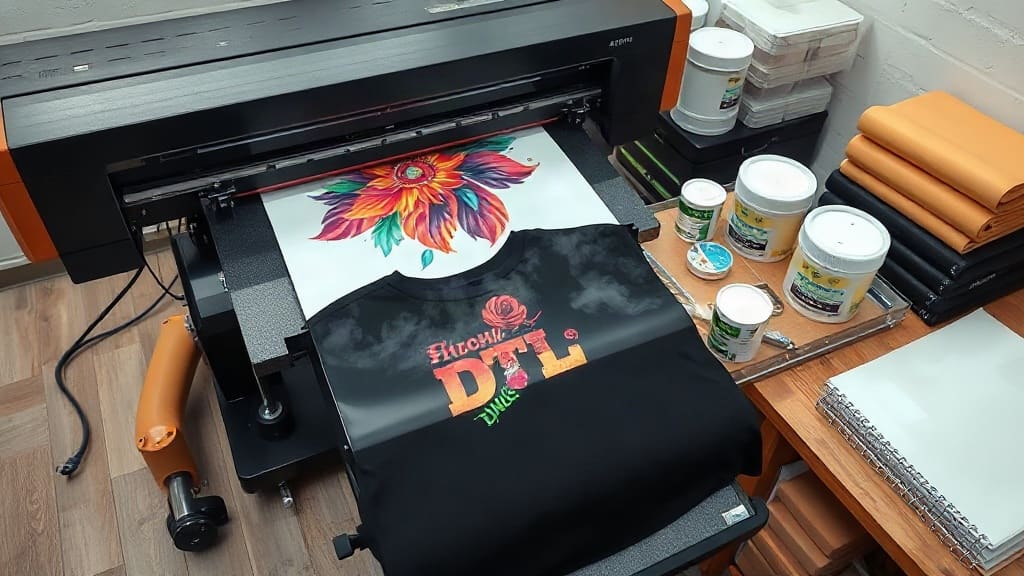
DTF transfers have revolutionized the custom printing industry, offering a versatile and cost-effective way to create vibrant, durable designs on a wide range of fabrics. Whether you're a small business owner, a hobbyist, or a large-scale printer, understanding this technology can open up new possibilities. In this comprehensive guide, we'll dive deep into what DTF transfers are, how they work, their advantages, and how you can use them to elevate your printing game.
What Are DTF Transfers?
DTF stands for Direct to Film. It's a printing method where a design is printed onto a special PET film using a DTF printer, then coated with adhesive powder and heat-pressed onto a fabric. The result is a vibrant, stretchable, and washable print that feels soft to the touch. Unlike traditional screen printing, DTF transfers don't require screens or long setup times, making them ideal for both small and large orders.
The process involves printing a mirror image of your design onto the film, applying adhesive powder while the ink is still wet, and then curing it. Once cured, the film can be stored and used later, making it a great option for on-demand printing.
How Does the DTF Process Work?
To produce a DTF transfer, you need a DTF printer equipped with white ink, CMYK colors, and a special film. Here's a step-by-step breakdown:
- Design Creation: Create your artwork in a design software, ensuring it's set to the correct size and resolution (typically 300 DPI).
- Printing: Print your design onto the PET film using the DTF printer. The white ink acts as a base to make colors pop, especially on dark fabrics.
- Powder Application: While the ink is still wet, sprinkle a hot-melt adhesive powder over the printed area. Shake off the excess.
- Curing: Pass the film through a curing oven or use a heat press to melt the powder, creating a solid adhesive layer.
- Transfer: Place the film on your garment with the design facing down, and heat press it at around 160-170°C (320-340°F) for 15-20 seconds.
- Peeling: Once cool, peel off the film. Your design is now permanently bonded to the fabric.
This process might seem straightforward, but mastering it requires attention to detail—like the right temperature, pressure, and timing—to ensure crisp, long-lasting prints.
Why Choose DTF Transfers?
DTF transfers offer several compelling benefits that make them a favorite among printers:
- Versatility: You can print on a wide variety of fabrics, including cotton, polyester, blends, and even tricky materials like nylon.
- Vibrant Colors: The white ink layer ensures colors appear bright and accurate, even on dark fabrics.
- Soft Hand Feel: The print has a soft texture, unlike thick plastisol inks used in screen printing.
- Durability: When applied correctly, DTF prints can withstand numerous washes without cracking or fading.
- Cost-Effective: No need for screens or extensive setup, making it perfect for short runs or samples.
- Ease of Use: You can produce transfers on demand and store them for later use.
Compared to other methods like sublimation, DTF works on both light and dark garments, and it doesn't require polyester-based materials. This flexibility is a game-changer for businesses that want to offer a broad range of products.
DTF vs. Other Printing Methods
To fully appreciate DTF, it's helpful to compare it with other popular techniques:
DTF vs. Screen Printing
Screen printing is known for its vibrant, thick inks and cost-effectiveness at high volumes. However, it requires a screen for each color, which can be expensive and time-consuming for complex designs or small orders. DTF transfers, on the other hand, allow full-color prints without screens, making them ideal for small batches and detailed artwork.
DTF vs. Direct-to-Garment (DTG)
DTG printing is similar to using an inkjet printer on fabric, but it's only suitable for 100% cotton or high-cotton blends. DTF transfers can be applied to a wider range of materials and are often more durable. Additionally, DTF pre-printed transfers can be applied to garments faster than DTG printing, which can be slower for bulk orders.
DTF vs. Sublimation
Sublimation requires polyester fabrics and yields vibrant, permanent prints that become part of the fabric. However, it doesn't work on dark or cotton garments. DTF transfers work on both cotton and polyester, and they produce a distinct print that is flexible and durable.
Tips for Perfect DTF Transfers
Even with the right equipment, achieving flawless results takes practice. Here are some expert tips:
- Use High-Quality Films: Not all PET films are the same. Invest in films specifically designed for DTF to ensure proper ink adhesion and peeling.
- Calibrate Your Printer: Regularly run nozzle checks and cleanings to maintain consistent print quality.
- Shake Powder Thoroughly: Excess powder can cause a rough texture or affect adhesion. Use a shaker and ensure only the design area is covered.
- Control Temperature and Time: Each fabric type may require slight adjustments. Always test on a scrap piece first.
- Peel Correctly: Some films are hot peel, others are cold peel. Follow the manufacturer's instructions for best results.
- Handle with Care: The adhesive layer is delicate before application; avoid touching it excessively.
By paying attention to these details, you'll minimize waste and produce transfers that look professional every time.
Common Applications of DTF Transfers
DTF transfers are incredibly versatile, making them suitable for a wide range of products:
- Custom T-shirts and Apparel: Create unique designs for sports teams, events, or personal use.
- Workwear and Uniforms: Durable enough for daily wear and washing.
- Tote Bags and Accessories: Add logos or decorative prints to non-apparel items.
- Pet Apparel: Make your furry friend stylish with custom bandanas or shirts.
- Promotional Products: Print branded items like caps, aprons, or mouse pads.
The ability to print on demand means you can offer personalized products without holding large inventories.
How to Start with DTF Transfers
If you're ready to incorporate DTF into your business, here's what you need to consider:
Invest in the Right Equipment
You'll need a DTF printer, which can be an EPSON-based or other compatible model, along with a heat press. Some printers are specifically designed for DTF and come with white ink handling features. Do your research and choose a reliable machine within your budget.
Choose Quality Supplies
Using OEM inks and reputable powder and film brands will ensure consistent results. Cheap supplies might save money initially but can lead to clogged printheads or subpar prints.
Learn the Technique
Watch tutorials, take online courses, or practice with scrap fabric. Mastery comes with experience, so don't be afraid to experiment.
Consider Pre-Made Transfers
If you don't want to invest in equipment right away, you can order custom DTF transfers from companies like DTF Directly. This allows you to test the waters and offer DTF products without the upfront costs.
Frequently Asked Questions
What are the differences between DTF and DTG?
DTG (direct-to-garment) printing uses a modified inkjet printer to apply ink directly to the fabric, typically cotton. DTF prints onto a film that is then heat-transferred. DTF offers more versatility in fabric types and can produce thicker, more durable prints. DTG is often faster for single items but requires more maintenance and pretreatments.
How long do DTF transfers last?
When applied correctly and cared for properly, DTF prints can last for many washes. They are resistant to cracking and fading, making them a durable option. The lifespan depends on the fabric type, washing conditions, and the quality of the transfer.
Can I use DTF transfers on dark shirts?
Yes, that's one of the biggest advantages of DTF. The white ink acts as an underbase, ensuring that your design's colors stay true and vivid even on black or other dark-colored fabrics. This makes DTF a go-to for dark garments.
What temperature and time should I use for pressing?
Generally, a temperature of 160-170°C (320-340°F) with a pressing time of 10-20 seconds and medium to firm pressure works well. However, always refer to the specific film and powder manufacturer guidelines, as they might have slight variations. Test on a sample to fine-tune.
Do I need a special printer for DTF?
Yes, DTF requires a printer that can handle white ink, which is thicker than standard CMYK inks. Many users modify EPSON printers with a DTF conversion kit, or you can purchase a dedicated DTF printer. Using a regular inkjet printer will not yield the same results.
Conclusion
DTF transfers are a fantastic addition to any printing business, offering flexibility, quality, and ease of use. Whether you're just starting or looking to expand your services, this technology can help you create stunning custom products that customers love. By understanding the process and following best practices, you'll be well on your way to mastering DTF transfers. If you're looking for a reliable source for high-quality transfers, consider partnering with a trusted supplier like dtfdirectly.com to get started today.