
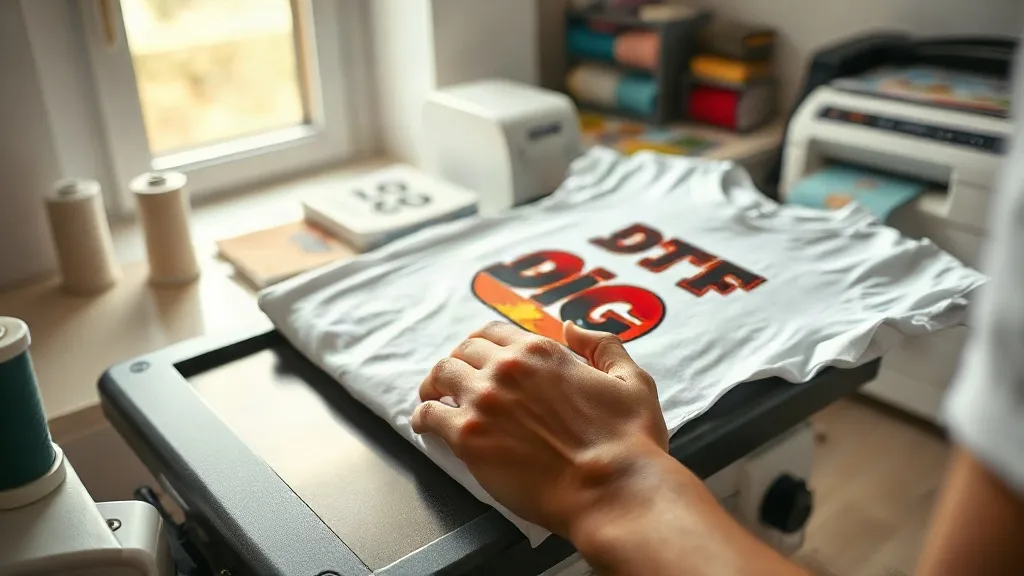
When you first dive into the world of custom apparel, dtf transfers can seem like a magical solution: print a design, apply heat, and voila, a vibrant, durable print on almost any fabric. But as with any craft, the details matter. Choosing the wrong film, skipping proper curing, or misjudging the fabric can turn a promising project into a frustrating mess. This guide goes beyond the basics to help you master the art of DTF transfers, from selecting the right materials to troubleshooting common issues.
Understanding the DTF Transfer Ecosystem
DTF, or Direct-to-Film, is a printing method where your design is printed onto a special film, coated with adhesive powder, and then heat-pressed onto fabric. The beauty of dtf is its versatility: it works on cotton, polyester, blends, and even difficult fabrics like nylon, without the need for pre-treatment. But not all DTF transfers are created equal. The film, ink, and powder you use all play a role in the final outcome.
Film Types: Cold Peel vs. Hot Peel
One of the first decisions you'll face is choosing between cold peel and hot peel film. Cold peel film requires the transfer to cool completely before you remove the carrier sheet. This slower process often yields a softer hand and more consistent results, making it a favorite for detailed designs. Hot peel film, on the other hand, allows you to peel the carrier immediately after pressing. It's faster and ideal for high-volume production, but you need to be careful not to stretch the print while peeling. Both have their place; experiment to see which suits your workflow.
The Role of Adhesive Powder
The powder you apply to the wet ink is what makes the transfer stick to the fabric. Particle size matters: finer powders (around 80-200 microns) create a softer feel and are great for fine details, while coarser powders (200-300 microns) provide a stronger bond for heavy fabrics. Always shake the powder evenly and cure it properly; under-curing leads to wash-out, while over-curing can make the transfer brittle.
Selecting the Right DTF Transfers for Your Fabric
Not all fabrics are the same, and your transfer choice should reflect that. Here's a quick breakdown:
- Cotton and cotton blends: Standard DTF transfers work beautifully, offering excellent adhesion and stretch.
- Polyester: Lower temperatures are key to avoid dye migration. Use a low-temperature powder or a barrier film if you're working with dark polyester.
- Nylon and silk: These require a special low-temperature powder and careful pressing to avoid scorching.
- Fleece and bulky fabrics: Use a coarser powder and slightly higher pressure to ensure the transfer penetrates the fibers.
If you're ever unsure, always test on a scrap piece of fabric before committing to a full run.
Step-by-Step: Applying DTF Transfers Like a Pro
Even with high-quality transfers, application technique can make or break the result. Follow these steps for consistent success:
- Preheat your press: Set your heat press to the temperature recommended for your fabric (typically 300-325°F for cotton, lower for polyester).
- Pre-press the garment: A quick 5-second press removes moisture and wrinkles, ensuring a smooth surface.
- Position the transfer: Place the transfer with the design facing up. Use heat-resistant tape if needed to keep it in place.
- Press with firm pressure: Apply medium to firm pressure for 10-15 seconds. Too little pressure leaves gaps; too much can cause the design to spread.
- Peel carefully: For cold peel, wait until the transfer is completely cool (about 30 seconds). For hot peel, peel immediately in a smooth, steady motion.
- Post-press (optional): A 5-second press with a Teflon sheet can enhance durability and smoothness.
Always follow the manufacturer's instructions for your specific film and powder, as timings and temperatures can vary.
Troubleshooting Common DTF Transfer Issues
Even seasoned pros encounter problems. Here's how to diagnose and fix the most common ones:
- Transfer not adhering: Likely insufficient pressure, temperature, or time. Check your press settings and ensure the powder is properly cured.
- Design cracking after washing: This often stems from under-curing the powder or using too coarse a powder for the fabric. Try a finer powder and increase curing time slightly.
- Color fading: Over-pressing or using too high a temperature can degrade the ink. Lower the temperature and shorten the press time.
- Powder not melting: Ensure your oven or heat source reaches the correct temperature (usually around 350°F for 2-3 minutes). A infrared thermometer can help verify.
Keep a log of your settings for each fabric and transfer type; it will save you time and materials in the long run.
Where to Find Quality DTF Transfers
If you're not printing your own transfers, sourcing from a reliable supplier is crucial. When searching for dtf transfers near me, look for companies that provide detailed specifications, offer sample packs, and have positive reviews. A good supplier will also provide technical support and consistent quality. For those who prefer to print in-house, investing in a quality printer, film, and powder will pay off in the long run.
Maximizing Durability and Washability
DTF transfers are known for their durability, but proper care extends their life. Wait at least 24 hours after application before washing. Turn garments inside out and use cold water on a gentle cycle. Avoid harsh detergents and never iron directly over the print. Following these simple steps will keep your designs looking fresh for years.
Frequently Asked Questions
Can DTF transfers be applied to dark fabrics?
Yes, DTF transfers work on dark fabrics, but you need a white ink layer. Most DTF printers include white ink, which acts as a base. Ensure your transfer has a sufficient white layer to prevent the fabric color from showing through.
How long do DTF transfers last?
With proper application and care, DTF transfers can last as long as the garment itself, often 50+ washes. The key is correct curing and avoiding excessive heat during washing and drying.
Do I need a special printer for DTF?
Yes, DTF requires a printer with white ink capabilities, typically a modified inkjet or a dedicated DTF printer. You also need DTF film and adhesive powder. Some suppliers offer pre-printed transfers if you don't want to invest in equipment.
What's the difference between DTF and DTG?
DTG (Direct-to-Garment) prints directly onto the fabric, while DTF prints onto a film first and then transfers. DTF is more versatile across fabrics and often more durable on polyester, while DTG excels on 100% cotton with a softer feel.
Can I use DTF transfers on items other than apparel?
Absolutely! DTF transfers can be applied to canvas bags, hats, socks, and even some hard surfaces with a suitable coating. Just ensure the surface can withstand the heat press temperature.
Mastering DTF transfers is a journey, but with the right knowledge and a bit of practice, you'll be producing vibrant, long-lasting prints that impress. Whether you're a hobbyist or a small business owner, understanding the nuances of film types, powders, and application techniques will set you apart. So go ahead, experiment, and watch your creations come to life.